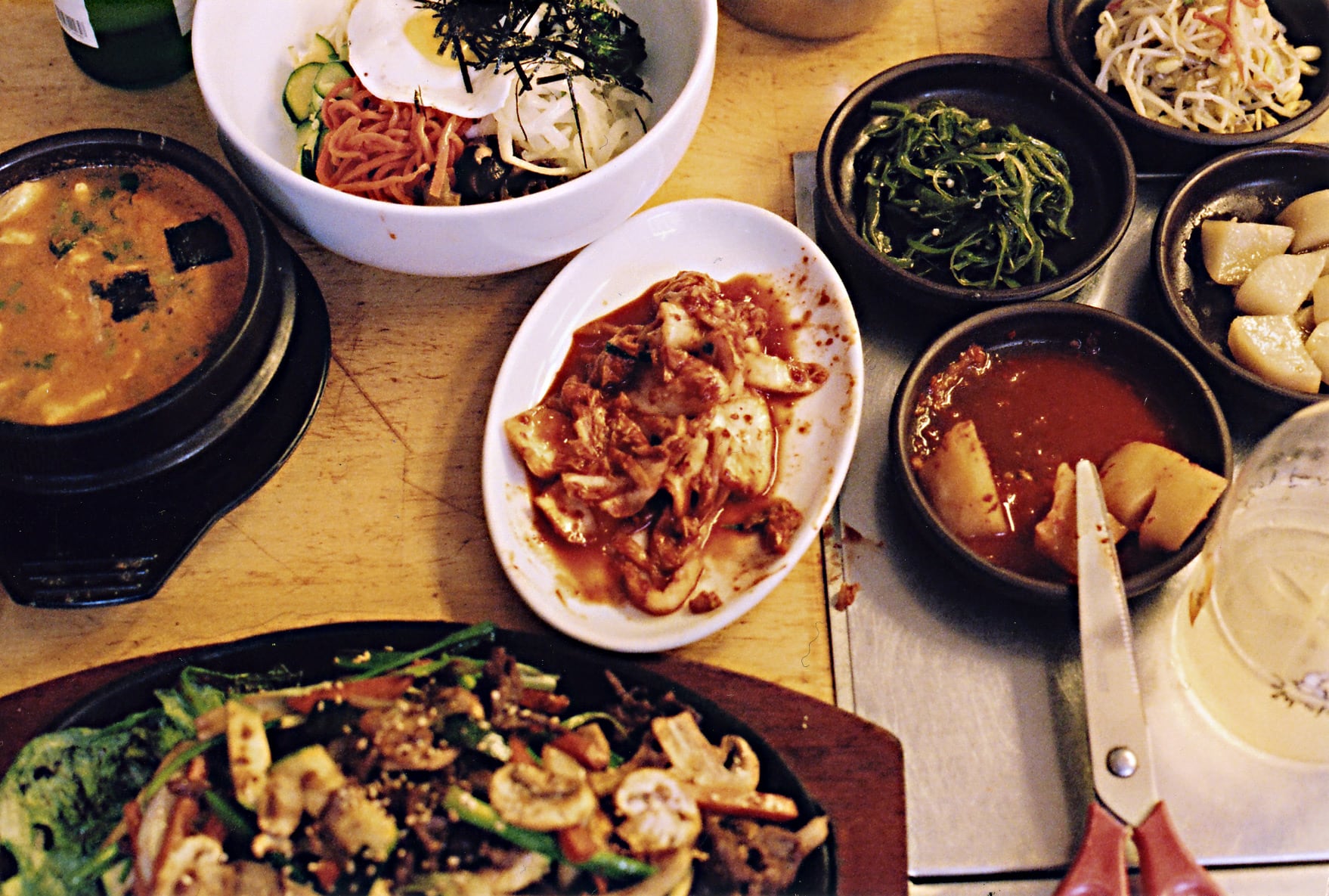
🍗 What would BTS eat before stepping onto the stage?
Imagine this…
The countdown reaches ten. The arena lights go dark. Thousands of fans are ready. What would be the perfect meal before a two-hour performance?
- Spicy Korean fried chicken?
- A comforting bowl of ramyeon?
- A colourful bibimbap packed with vegetables?
- Or something completely different?
Nobody outside their team really knows—and this guide does not claim otherwise. That is exactly the fun of Korean food.
Whether you are watching a K-drama, listening to your favourite K-pop playlist or simply curious about Korean culture, these dishes are part of modern everyday life in South Korea. Some are quick late-night comfort food, others famous street snacks or meals shared after a long day.
So let us ask something even better:
“What would you choose before your own big performance?”
Welcome to our Korean food tour.
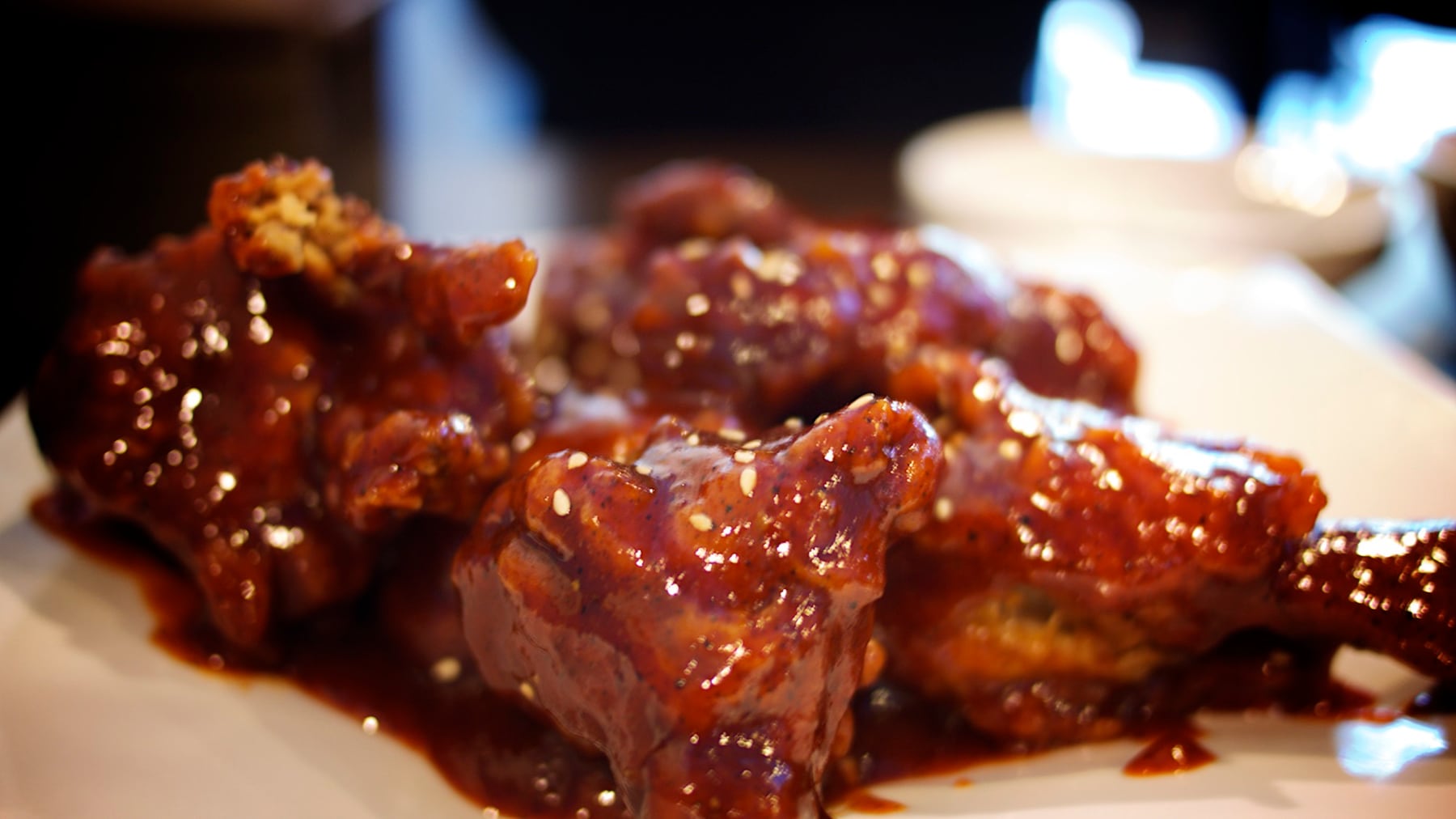
Sweet-spicy Korean fried chicken — Yangnyeom chicken
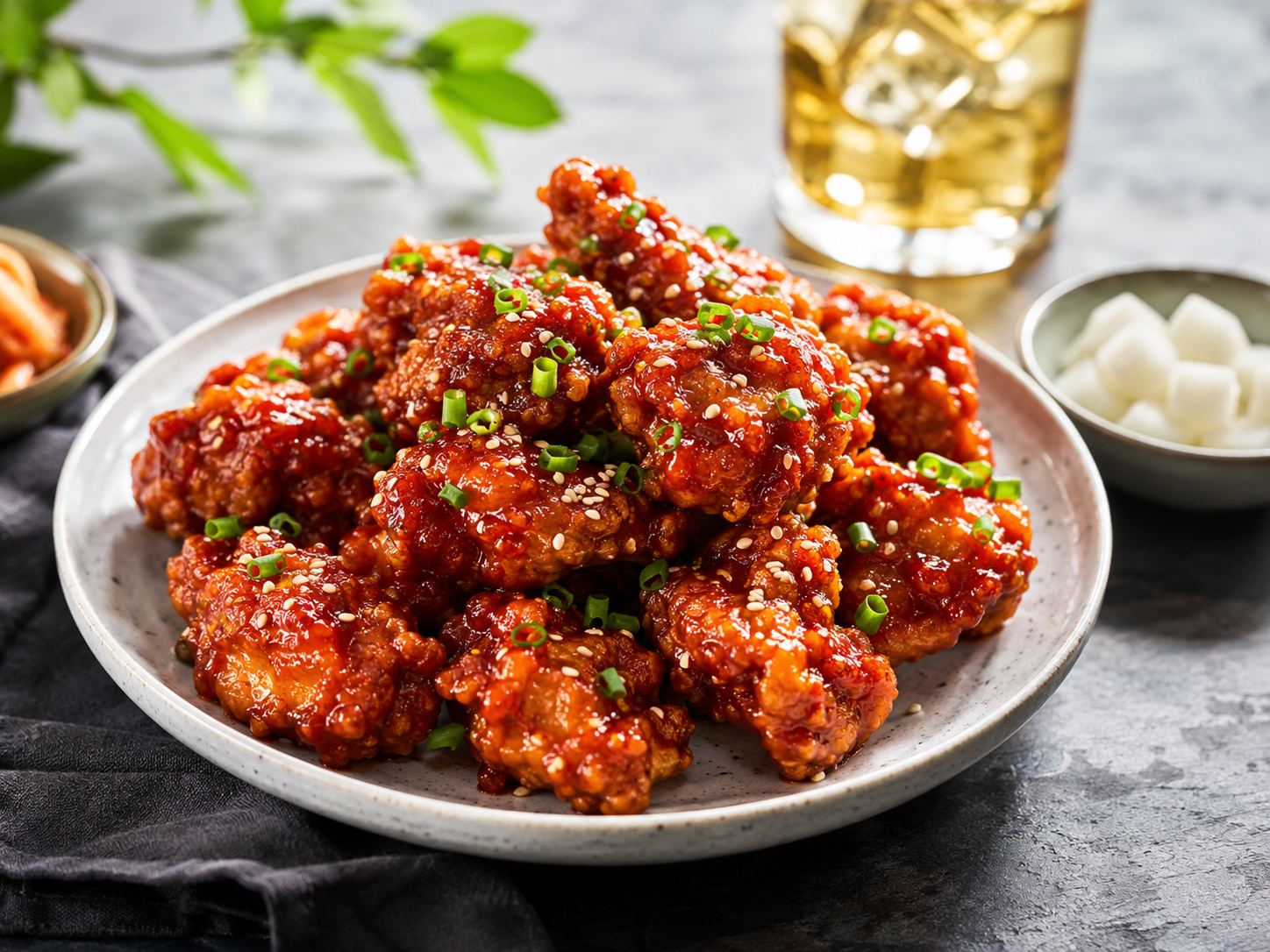
Korean fried chicken delivers the contrast food videos love: an audibly crisp shell beneath a glossy, sticky sauce. It is also closely linked with chimaek — chicken and beer — and with relaxed evenings spent talking, watching a match or starting a K-drama marathon.
Ingredients
Chicken
- 700 g boneless chicken thighs, cut into bite-size pieces
- 1 tsp salt
- 1/2 tsp black pepper
- 1 tsp finely grated ginger
- 70 g potato starch
- 50 g plain flour
- neutral oil for frying
Yangnyeom sauce
- 2 tbsp gochujang
- 3 tbsp ketchup
- 2 tbsp honey or rice syrup
- 1 tbsp soy sauce
- 1 tbsp rice vinegar
- 1 tbsp brown sugar
- 2 garlic cloves, finely grated
- 1 tsp sesame oil
- sesame seeds and sliced spring onions
Method
- Season the chickenMix the chicken with salt, pepper and ginger. Leave for 10 minutes.
- Coat itCombine potato starch and flour, then press every piece firmly into the coating.
- First fryHeat oil to about 170°C. Fry in batches for 5–6 minutes until pale golden and cooked through. Drain for 3 minutes.
- Make the glazeSimmer all sauce ingredients except sesame oil for 2–3 minutes. Turn off the heat and stir in sesame oil.
- Second fry and finishFry the chicken again at about 185°C for 1–2 minutes until deeply crisp. Toss quickly with the glaze and garnish.
Home-cook note: For a gentler version, use only 1 tbsp gochujang and add another spoon of ketchup or honey.
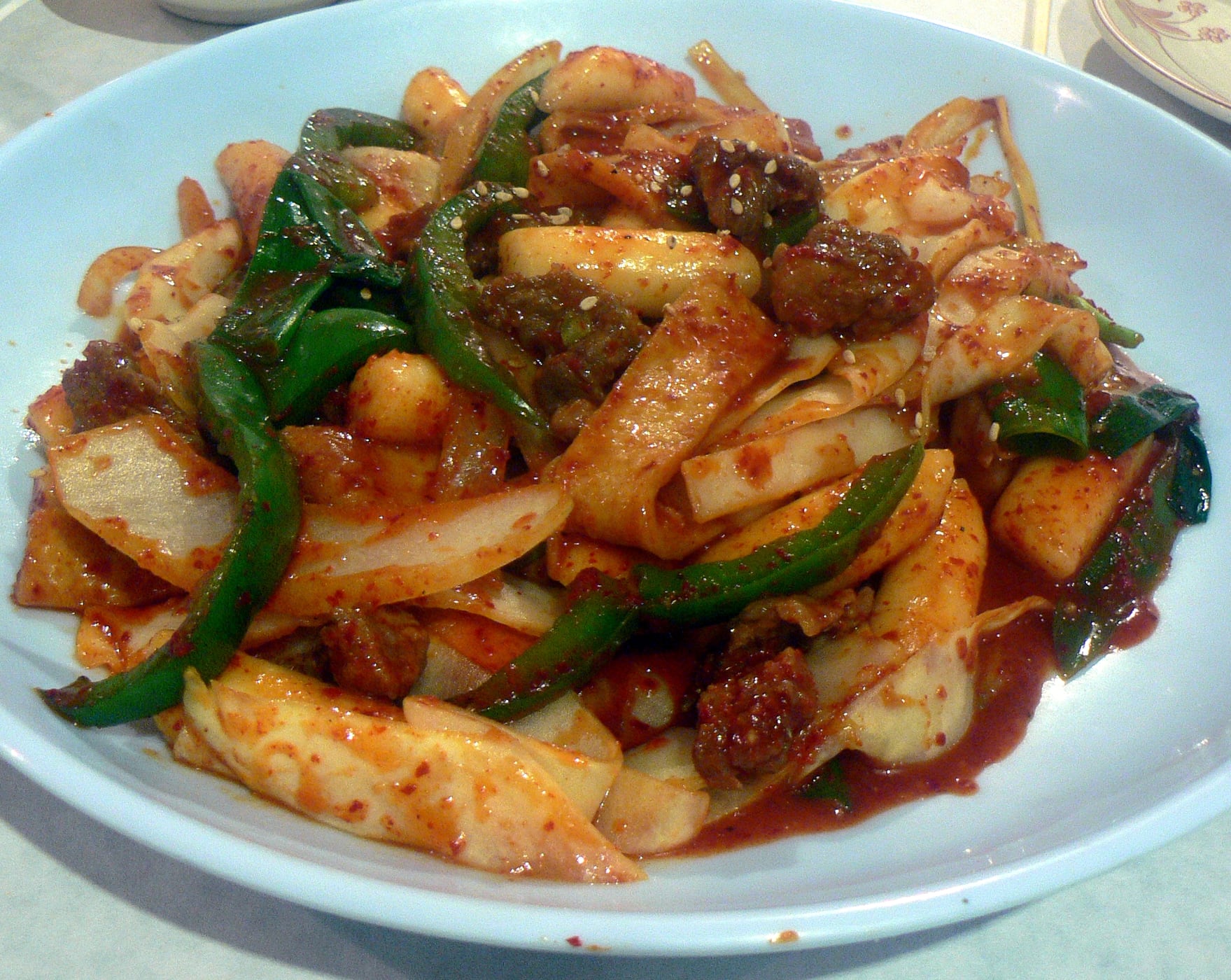
Tteokbokki — Seoul-style spicy rice cakes
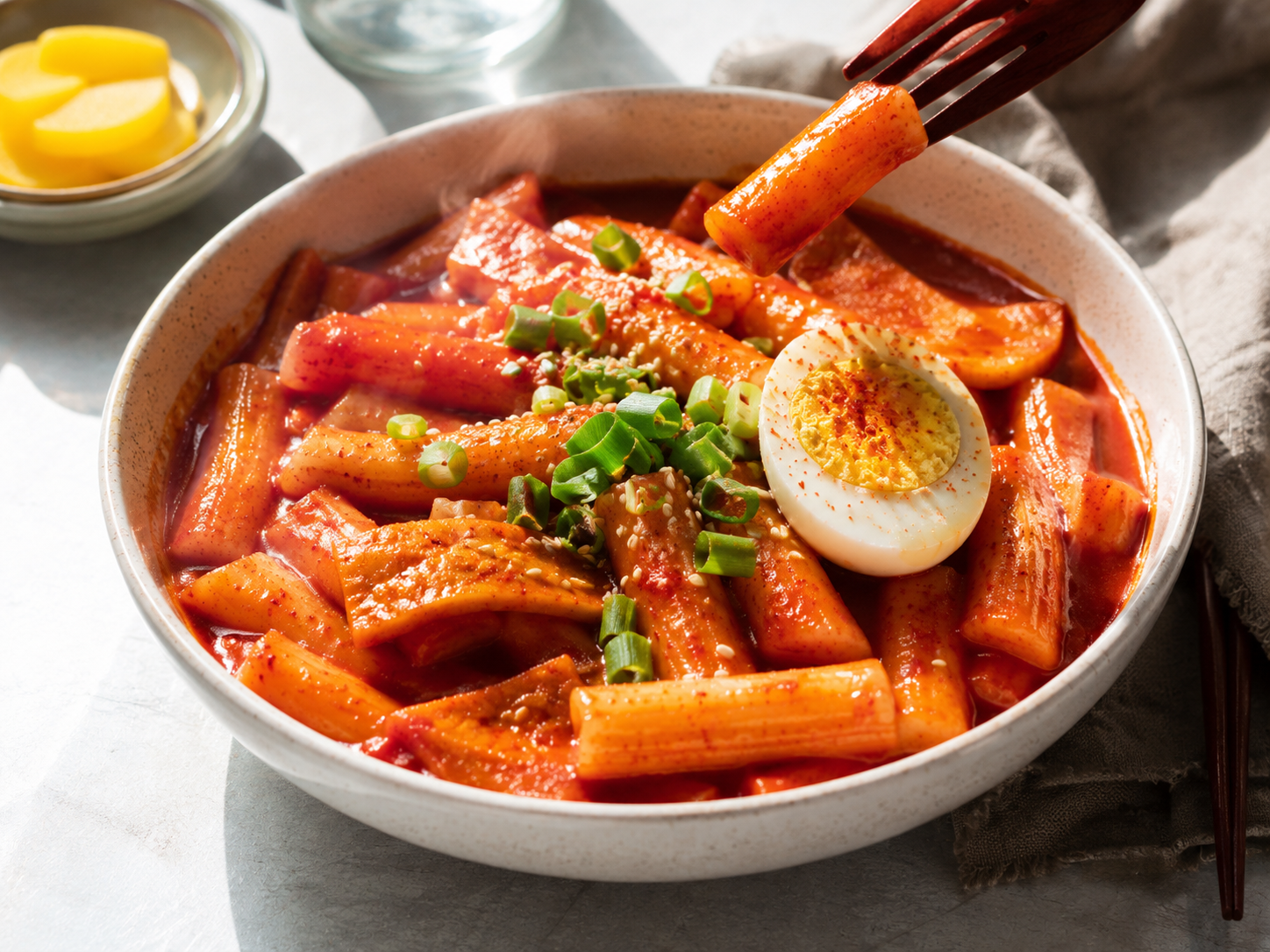
Tteokbokki is chewy, saucy and immediately recognisable as Korean street food. It belongs to bunsik culture: affordable snacks and quick meals enjoyed around markets, street stalls and casual neighbourhood eateries.
Ingredients
- 500 g Korean cylindrical rice cakes
- 750 ml anchovy stock or vegetable stock
- 2 tbsp gochujang
- 1 tbsp gochugaru, optional
- 1 1/2 tbsp sugar
- 1 tbsp soy sauce
- 150 g Korean fish cake, sliced, optional
- 1/2 onion, sliced
- 2 spring onions, cut into 4 cm pieces
- 2 boiled eggs
- sesame seeds
Method
- Soften the rice cakesIf they are hard or frozen, soak them in warm water for 10 minutes and drain.
- Build the sauceBring stock, gochujang, gochugaru, sugar and soy sauce to a gentle boil.
- Add the main ingredientsAdd rice cakes and onion. Simmer for 8–10 minutes, stirring often.
- Finish the panAdd fish cake and spring onion. Cook for another 4–5 minutes until the sauce is glossy and thick enough to coat the rice cakes.
- Serve immediatelyAdd boiled eggs and sesame seeds. The sauce thickens further as it stands.
Vegetarian note: Use vegetable stock and replace fish cake with mushrooms, tofu puffs or vegetable dumplings.
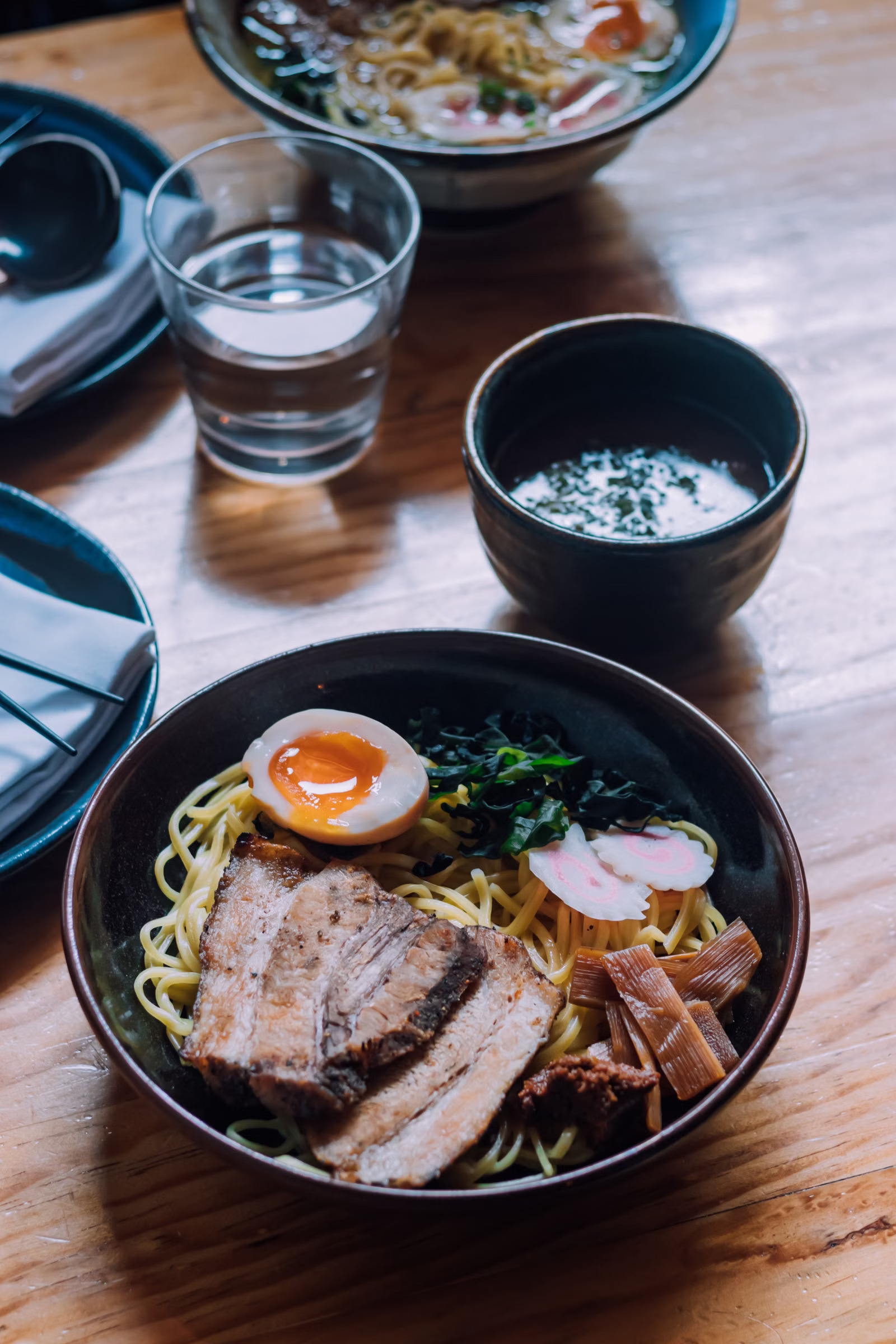
Creamy cheese ramyeon — the late-night upgrade
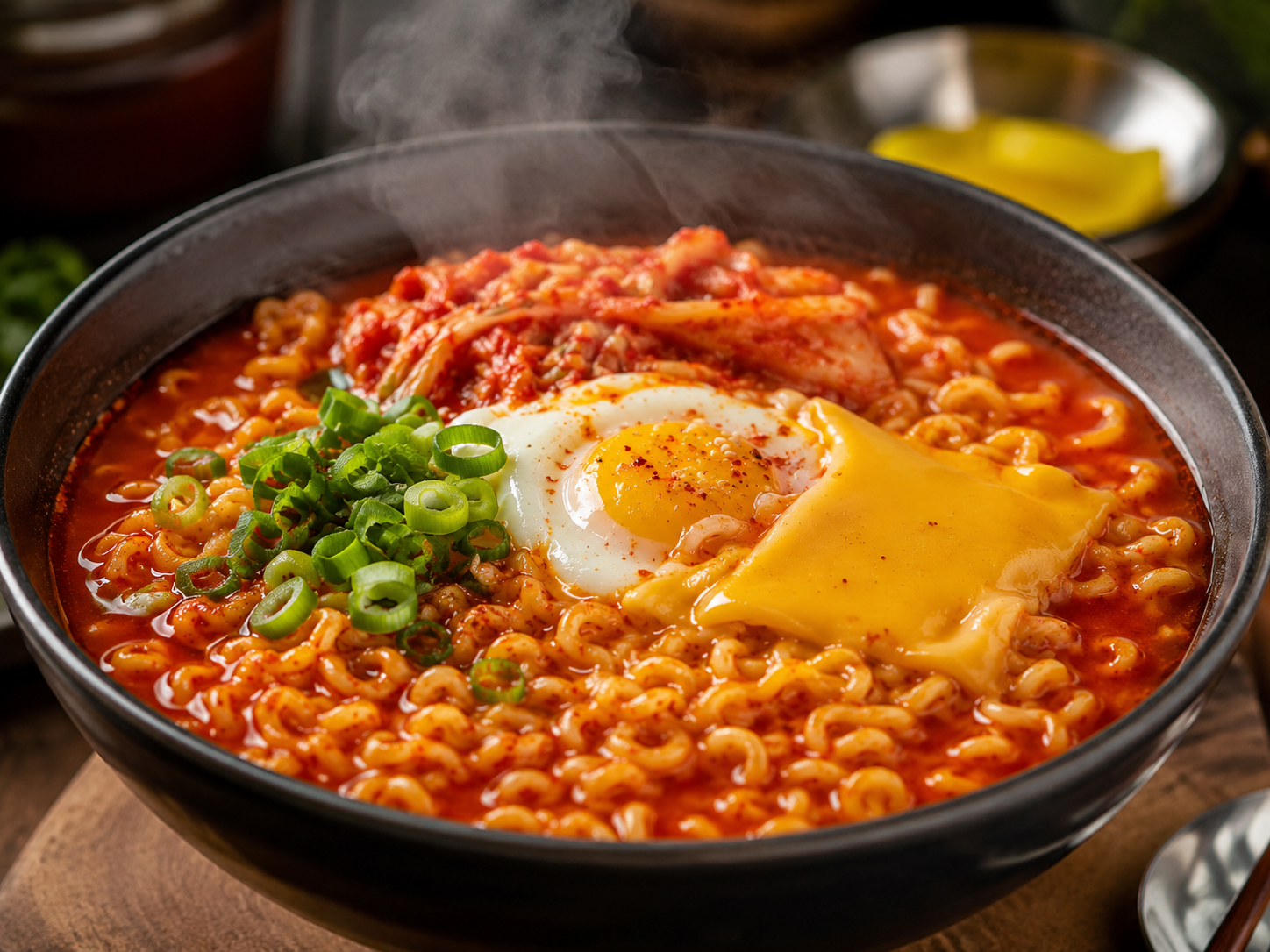
Ramyeon is one of Korea’s great quick meals: inexpensive, comforting and endlessly customisable. Adding egg, spring onion, kimchi and cheese turns an instant packet into something that feels made rather than merely opened.
Ingredients
- 2 packs spicy Korean instant noodles
- 400 ml water, or the amount appropriate for the noodle style
- 100 ml milk, optional for a creamier broth
- 1 tsp gochujang, optional
- 2 eggs
- 2 slices mild melting cheese
- 1 spring onion, sliced
- 80 g kimchi
- roasted seaweed or sesame seeds
Method
- Start the brothBring water to the boil. Add the soup seasoning, using less if you prefer a milder or less salty result.
- Cook the noodlesAdd noodles and cook for about 2 minutes.
- Add the upgradesStir in milk and gochujang if using. Add kimchi to one side of the pan.
- Cook the eggsCrack in the eggs, cover and simmer until the whites set but the yolks remain soft.
- Melt the cheeseLay cheese over the noodles for the final 30–60 seconds. Finish with spring onion and seaweed.
Heat-control note: The easiest way to keep the K-food mood without the pain is to use only part of the chilli seasoning and add milk or cheese.
Bibimbap — main-character energy in a bowl
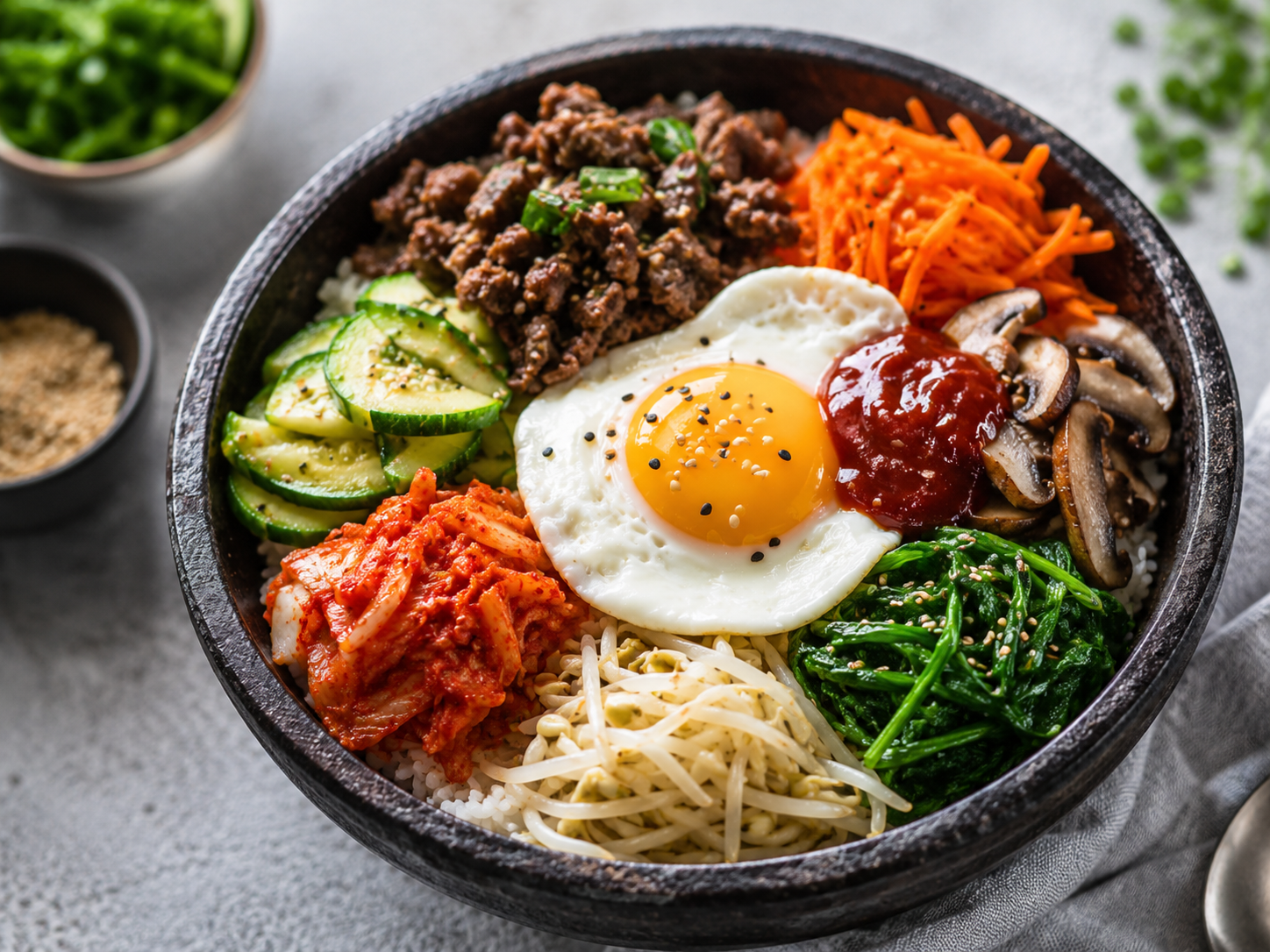
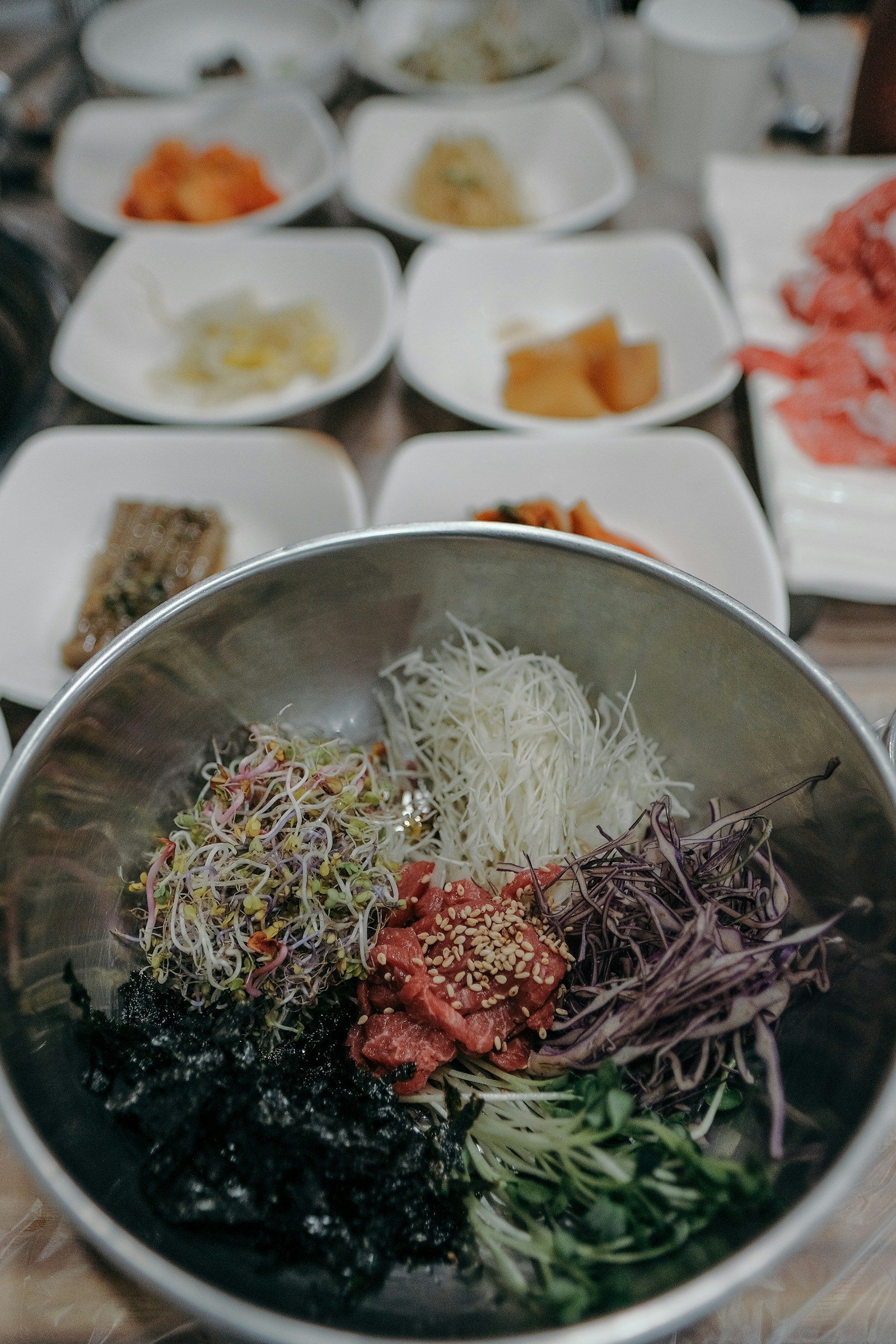
Bibimbap means mixed rice, but its appeal begins before anything is mixed. Neatly arranged vegetables, egg, beef or tofu and deep-red gochujang form one of the most photogenic bowls in Korean cooking.
Ingredients
- 300 g short-grain rice
- 250 g beef mince or firm tofu
- 1 tbsp soy sauce
- 1 tsp sugar
- 1 garlic clove, grated
- 2 tsp sesame oil, divided
- 2 carrots, cut into matchsticks
- 1 courgette, thinly sliced
- 200 g spinach
- 150 g bean sprouts
- 150 g mushrooms, sliced
- 4 eggs
- neutral oil and salt
Sauce
- 3 tbsp gochujang
- 1 tbsp sesame oil
- 1 tbsp rice vinegar
- 1 tbsp honey or sugar
- 1 tbsp water
Method
- Cook the ricePrepare the rice and keep it warm.
- Season the proteinMix beef or tofu with soy sauce, sugar, garlic and 1 tsp sesame oil. Fry until browned.
- Cook the vegetables separatelyQuickly sauté carrots, courgette and mushrooms with a little oil and salt. Blanch spinach and bean sprouts, drain well and season lightly with sesame oil and salt.
- Mix the sauceStir all sauce ingredients until smooth. Fry the eggs sunny-side up.
- Build and mixDivide rice among bowls, arrange toppings in sections and place an egg in the centre. Add sauce, then mix thoroughly before eating.
Plant-based note: Use tofu, omit the egg and add edamame or extra mushrooms.
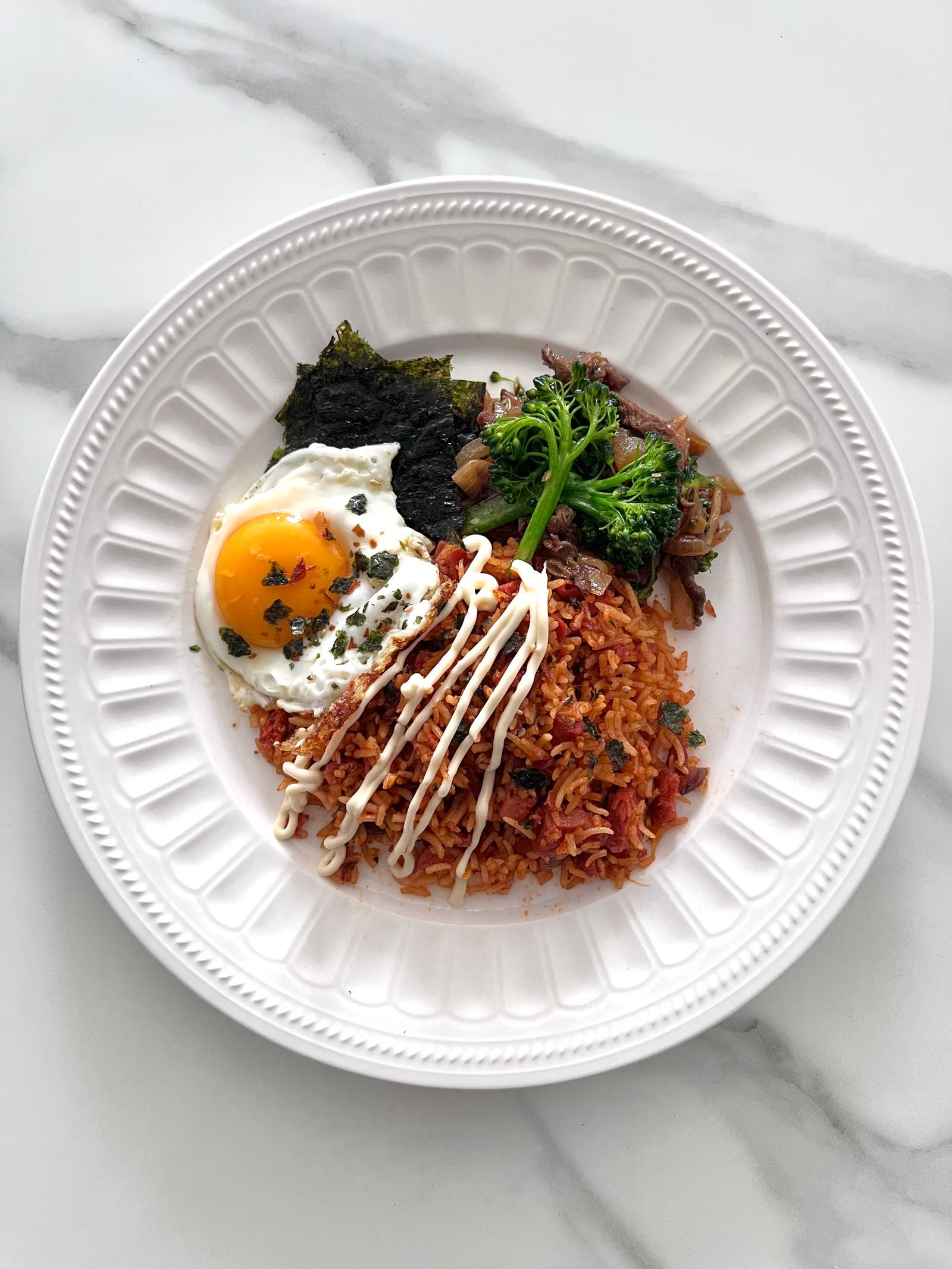
Kimchi fried rice — the comfort-food comeback
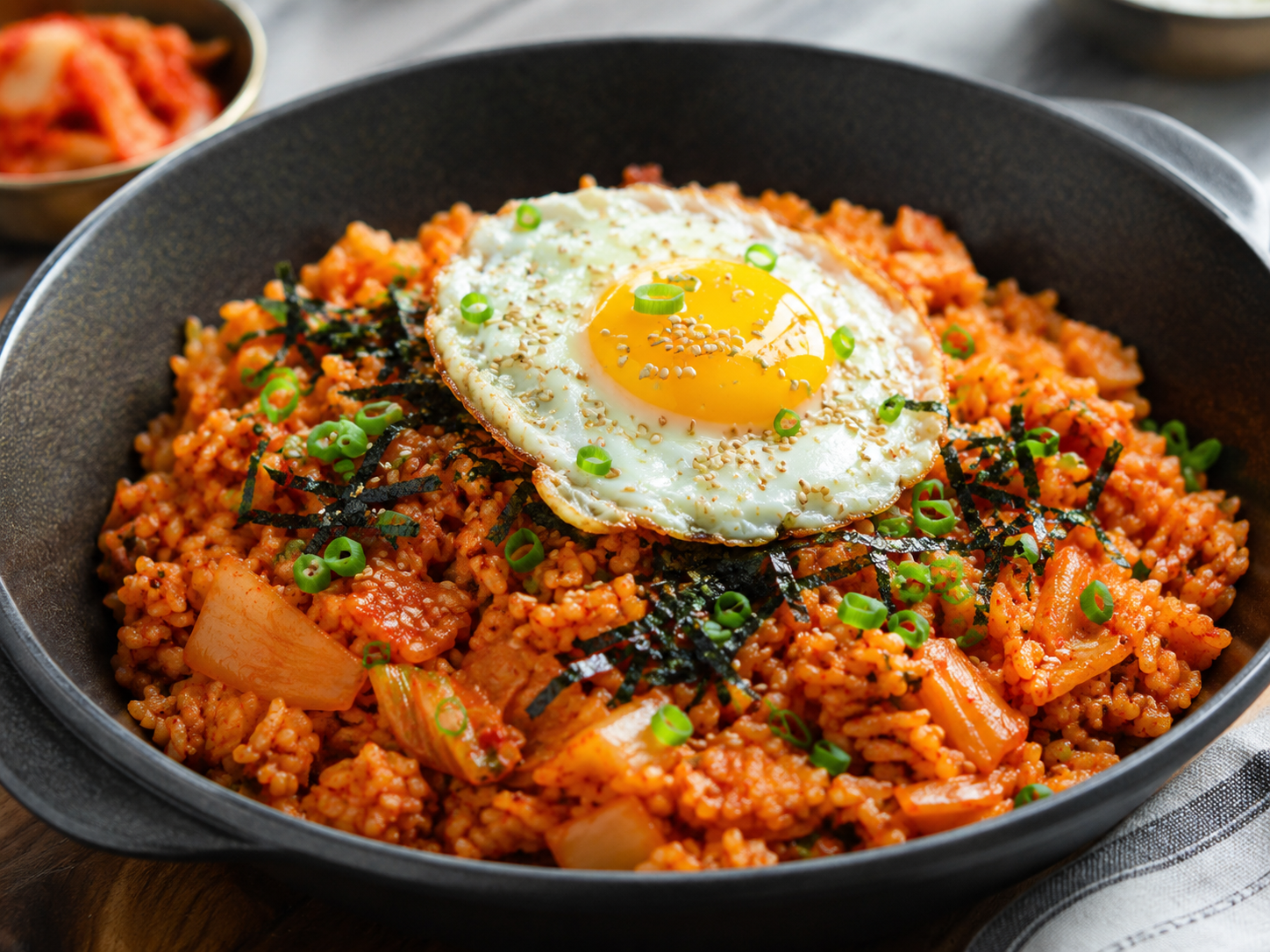
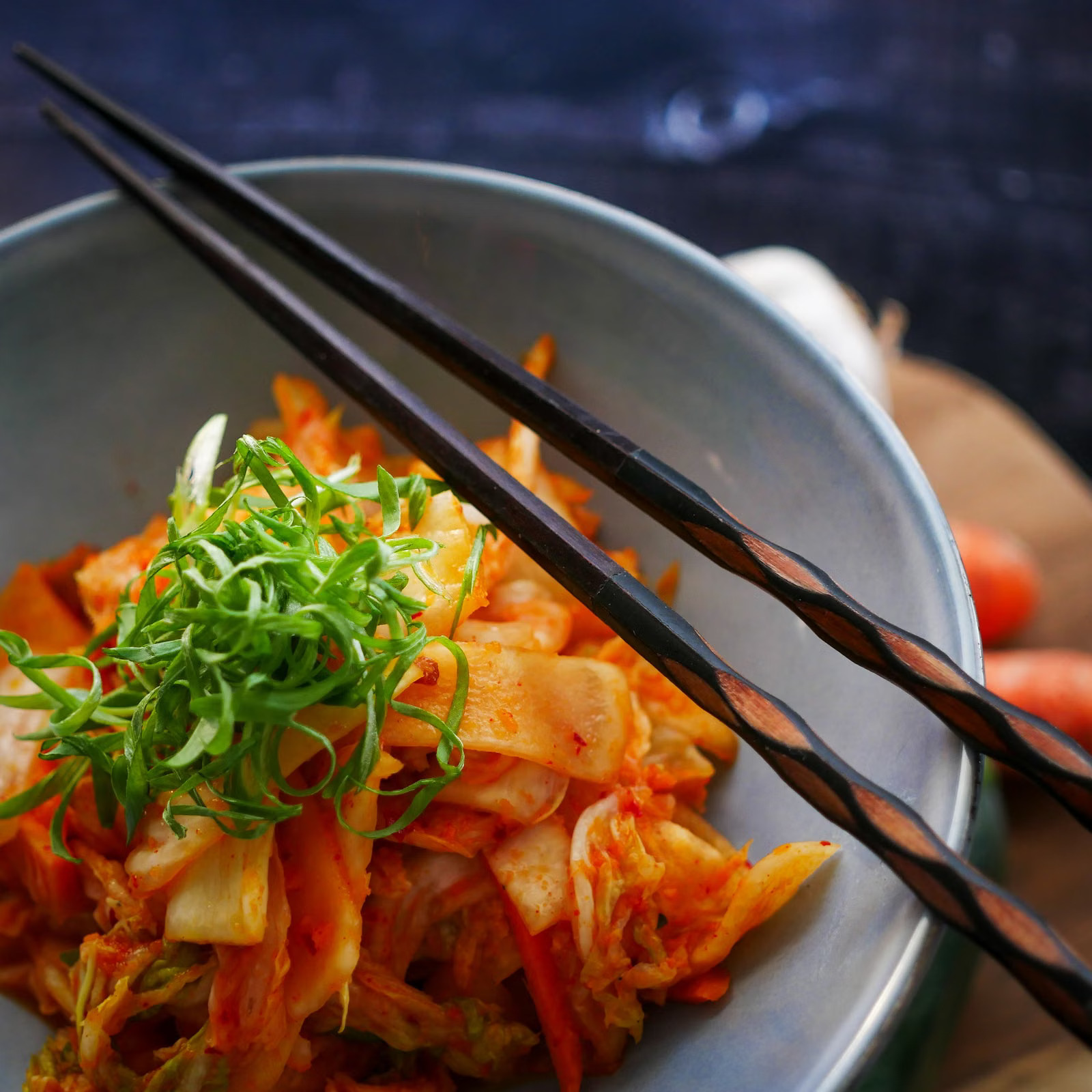
Kimchi fried rice is what happens when yesterday’s rice and well-fermented kimchi receive a dramatic second act. It is fast, savoury, slightly sour and deeply comforting — exactly the kind of meal that repeatedly appears in home kitchens, variety shows and drama scenes.
Ingredients
- 450 g cold cooked rice
- 200 g mature kimchi, chopped
- 60–80 ml kimchi juice
- 100 g bacon, tuna or firm tofu, optional
- 1 small onion, diced
- 1 tbsp gochujang
- 1 tbsp soy sauce
- 1 tsp sugar
- 1 tsp sesame oil
- 3 eggs
- sliced spring onion, sesame seeds and roasted seaweed
Method
- Prepare the baseFry bacon, tuna or tofu if using. Add onion and cook until softened.
- Fry the kimchiAdd chopped kimchi and cook for 2–3 minutes until fragrant.
- SeasonStir in gochujang, soy sauce, sugar and kimchi juice.
- Add the riceBreak in the cold rice and fry over medium-high heat until evenly coloured and hot, with a few crisp patches.
- Finish the bowlsStir in sesame oil. Top each serving with a fried egg, spring onion, sesame and seaweed.
Best-result note: Cold rice separates more easily than freshly cooked rice. Mature, tangy kimchi gives the dish more character.
Your essentials
Build a small K-food pantry
These five recipes reuse a compact set of ingredients:
- gochujang
- gochugaru
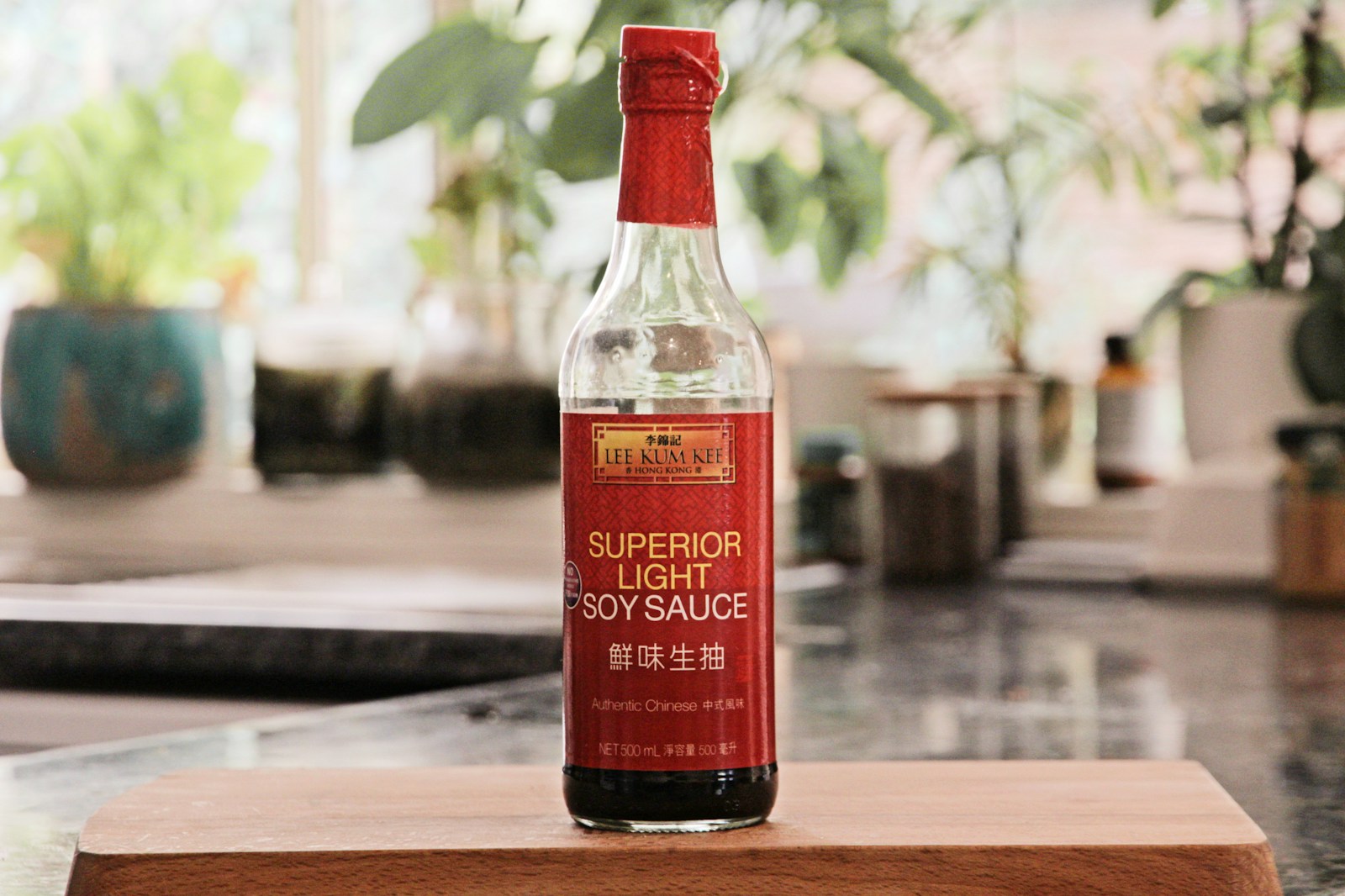
- soy sauce
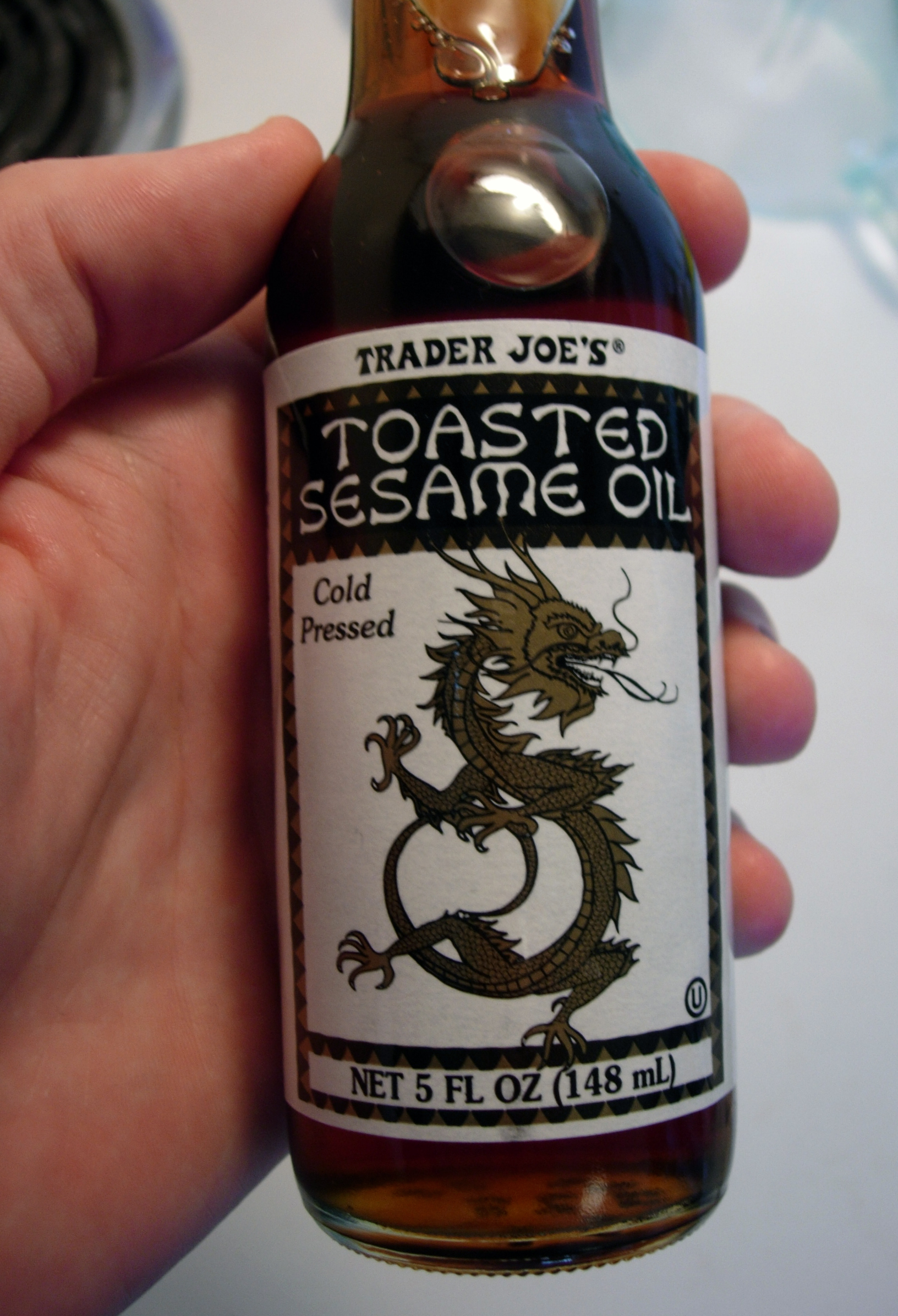
- sesame oil
- sesame seeds
- kimchi
- Korean rice cakes
- Korean instant noodles
- roasted seaweed
- short-grain rice
That is part of the fun: one jar of gochujang does not belong to one recipe. It can become chicken glaze, tteokbokki sauce, bibimbap sauce and fried-rice seasoning. ## Cook your K-food night in Ingolstadt Look for Korean sauces, rice cakes, noodles, kimchi, sesame oil, seaweed and other ingredients at Asia Markt Thien Tam. Brands and availability can change, so ask the shop before making a special trip or request that the ingredients be prepared for pickup.