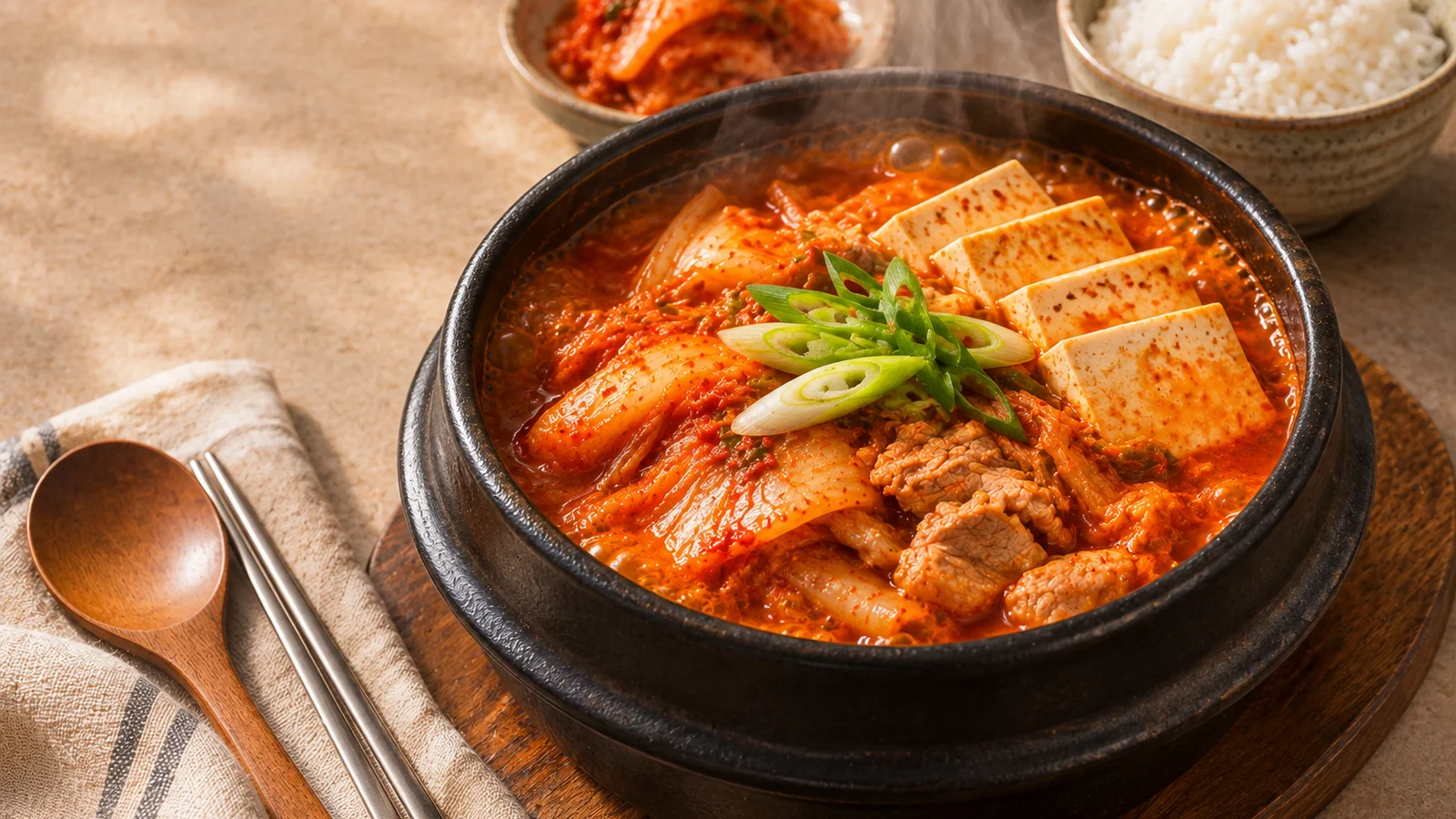
A pot of kimchi jjigae (김치찌개) is one of the most comforting ways to turn fermented kimchi into dinner. The broth is spicy, tangy and deeply savoury; soft tofu and tender pork balance its punch. It’s especially inviting in the colder months, and you don’t need a long list of specialty ingredients to make a satisfying version at home.
At a glance: 15 minutes prep · about 30 minutes cooking · 3–4 servings · easy · adjustable spice level. This main recipe includes pork. Tuna and vegetarian/vegan alternatives follow below.
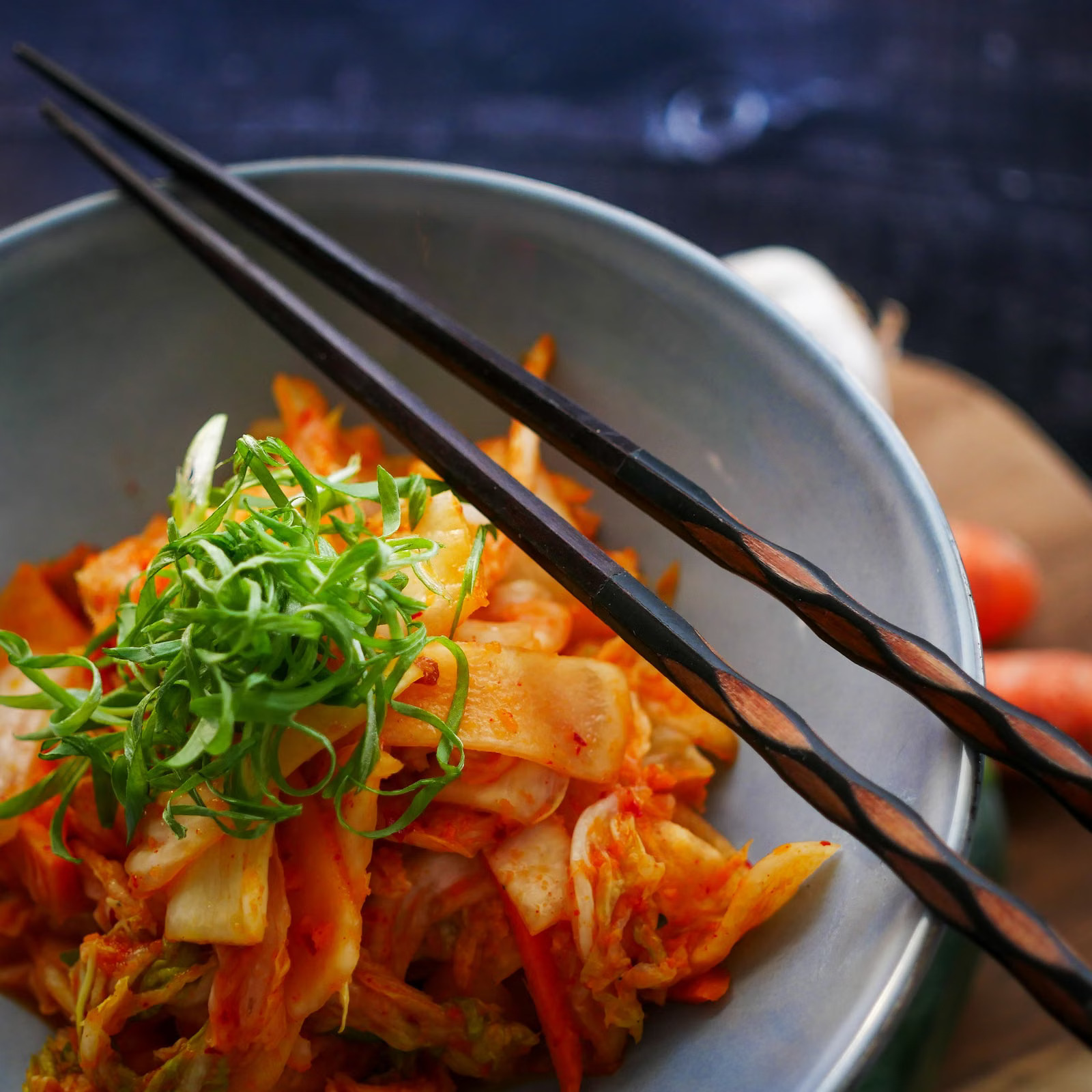
The key to good kimchi jjigae is ripe, pleasantly sour napa cabbage kimchi. Fresh kimchi is lovely as a side dish, but well-fermented kimchi gives stew a more rounded, robust flavour. Save a little of its brine: that’s valuable seasoning for the broth.
What exactly is kimchi jjigae?
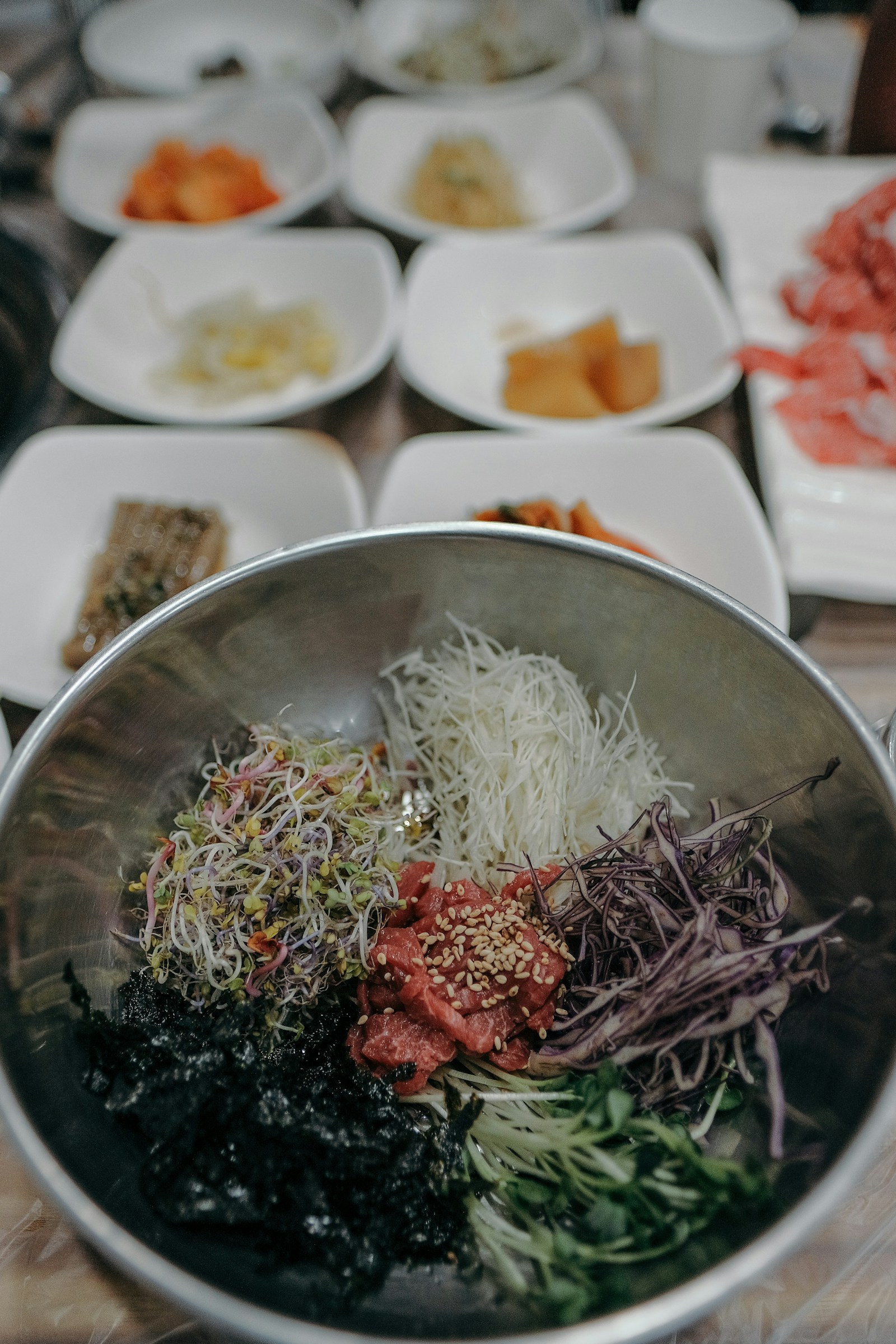
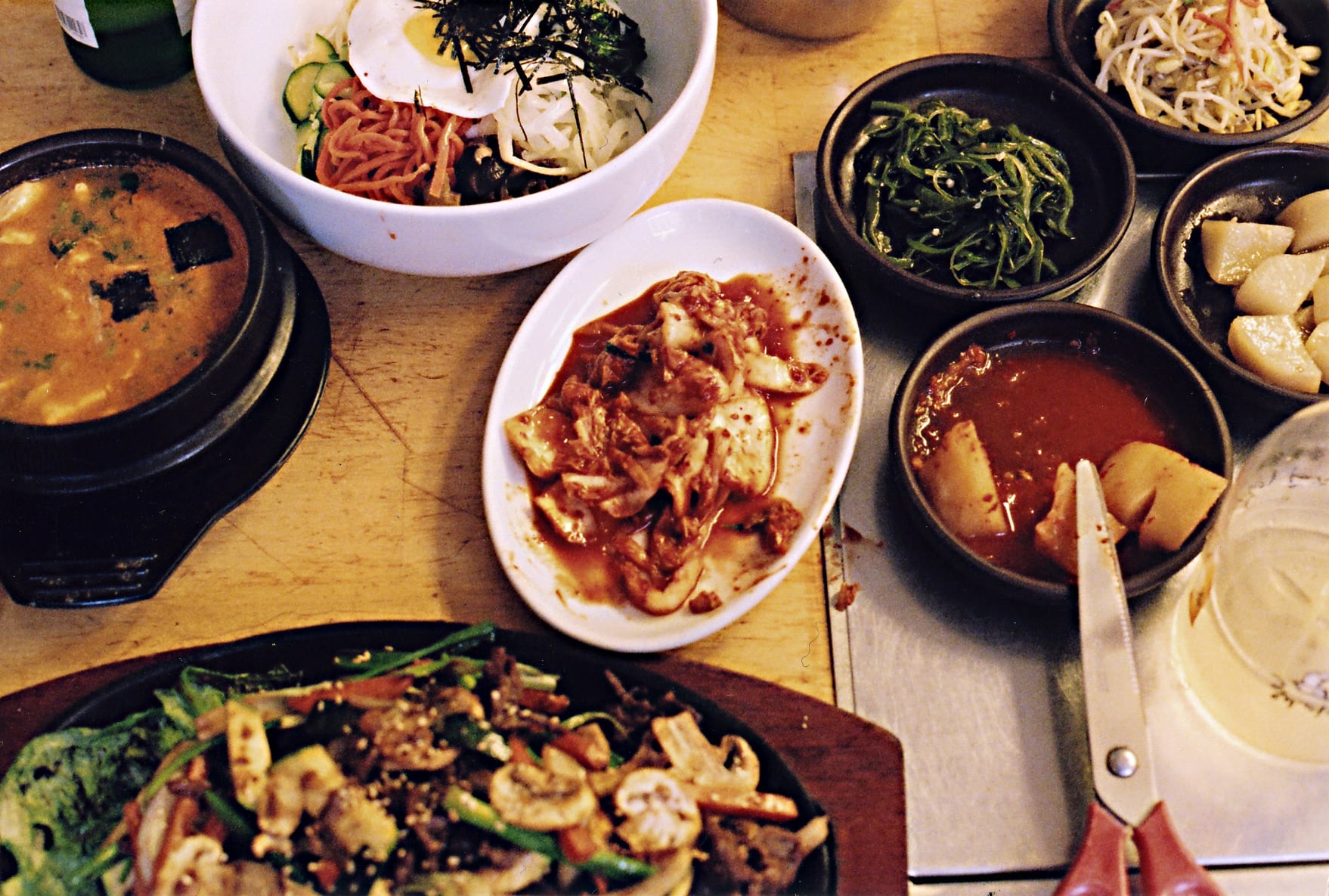
In Korean cooking, jjigae is a substantial stew commonly served with rice and small side dishes, known as banchan. Compared with a lighter soup (guk), it is usually more concentrated and less brothy. Kimchi jjigae has many home-style variations. Pork belly or shoulder makes it rich, while tofu absorbs some of the broth. Other households prefer canned tuna, a simple anchovy-stock base, or a meat-free version.
It is an everyday comfort dish in Korea and a particularly good way to put mature kimchi to use.
Ingredients for 3–4 servings
For the stew
- 350 g well-fermented napa cabbage kimchi, chopped into bite-size pieces
- 180–200 g pork shoulder or pork belly, sliced thinly or cut into small pieces
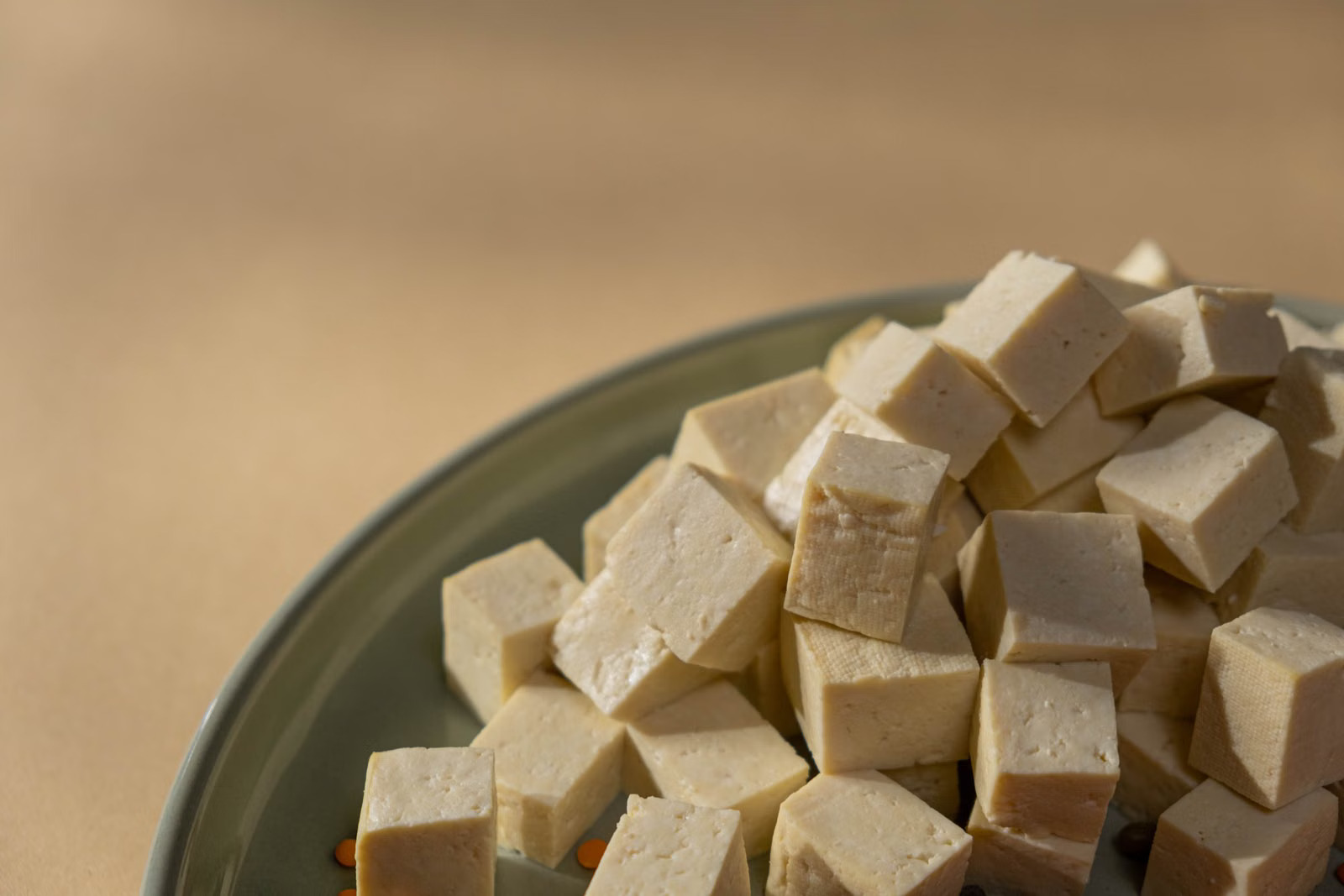
- 200 g medium-firm or firm tofu, sliced about 1.5 cm thick
- 1 small onion, thinly sliced
- 2 spring onions, sliced; reserve some green tops for garnish
- 2 garlic cloves, minced
- 600 ml water or mild unsalted stock (anchovy stock is a traditional option)
- 60–100 ml kimchi brine, if available
- 1 tbsp neutral cooking oil
- 1–2 tsp gochugaru (Korean red pepper flakes), according to taste
- 1 tsp gochujang (fermented Korean chilli paste), optional
- 1 tsp toasted sesame oil, optional, to finish
- Soy sauce or salt only if needed after tasting
- ½–1 tsp sugar, only if the kimchi tastes excessively sour
To serve: freshly cooked rice. Plan roughly 60–75 g uncooked rice per person if rice is your main side; rice is not included in the stew amounts.
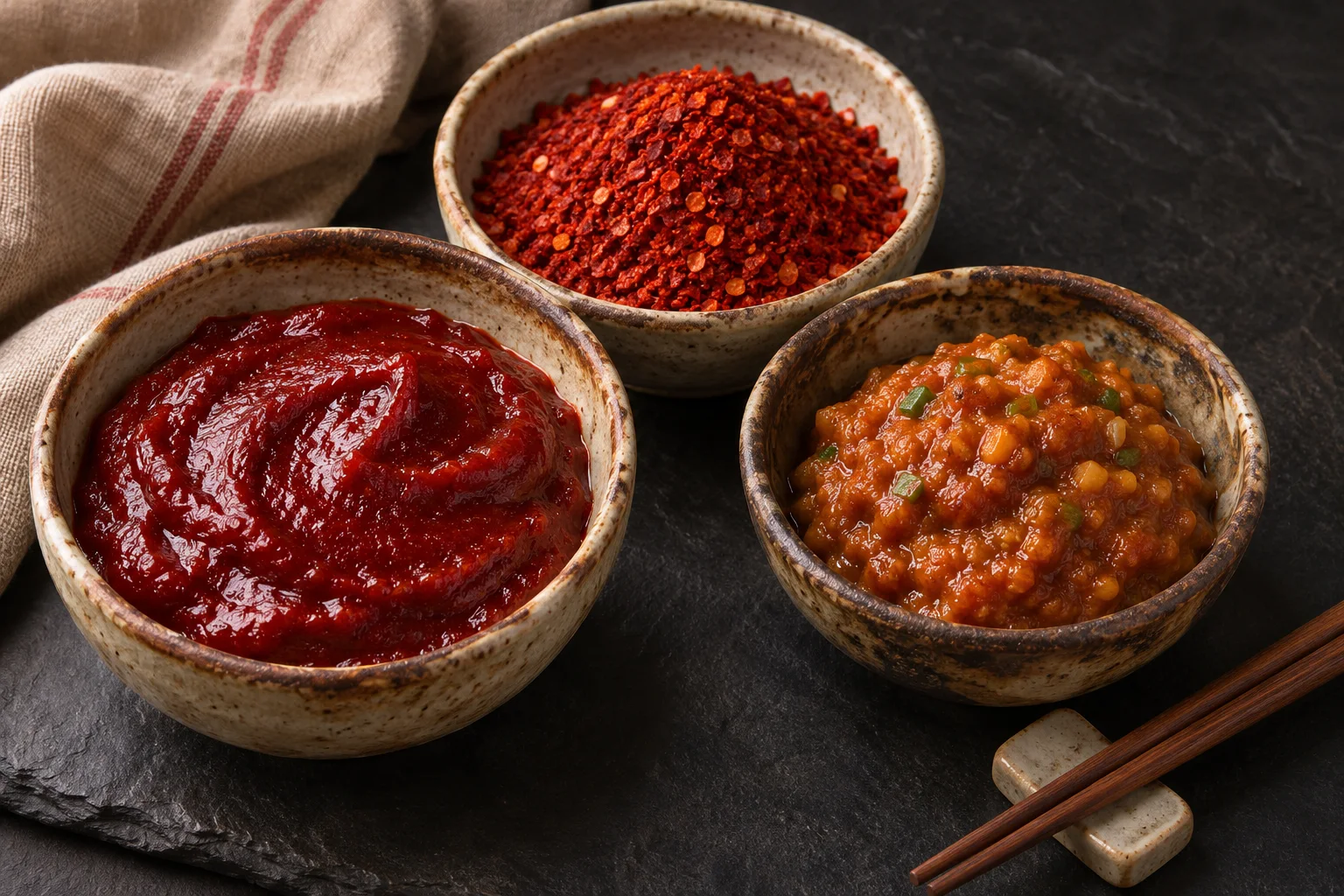
Shopping tip: Kimchi and gochujang can already be salty. Use water or unsalted stock and taste before adding soy sauce or salt. Gochugaru brings chilli flavour and colour, while gochujang adds fermented, sweet-salty depth. Read the gochujang ingredient guide if those names are new to you.
Step-by-step method
- Prepare everything (5–10 min).Chop the kimchi and reserve the brine. Cut pork into manageable pieces and keep chilled until cooking. Slice the onion, spring onions and tofu; mince the garlic.
- Cook the pork and kimchi (5–7 min).Heat the oil in a medium saucepan. Stir-fry the pork for 2–3 minutes; add onion, garlic and kimchi. Cook and stir for a further 3–4 minutes until the kimchi softens and becomes fragrant. The pork does not need to be fully cooked at this stage.
- Build the broth (2 min).Pour in 600 ml water or stock plus the kimchi brine. Start with 1 tsp gochugaru. If using gochujang, dissolve 1 tsp in a spoonful of broth and stir it in.
- Simmer gently (18–20 min).Bring to a boil, then cover and simmer over medium heat. Stir occasionally. Add a little water if it becomes too thick. Make sure the pork is fully cooked by the end of this step.
- Add tofu (5 min).Set tofu slices gently on top and simmer for another 5 minutes. Taste before seasoning: add more gochugaru for heat, or a small amount of soy sauce or salt if necessary. Only add a pinch of sugar if the sourness is unusually sharp.
- Serve hot.Sprinkle with spring onion greens and optionally finish with toasted sesame oil. Bring freshly cooked rice to the table. Be careful: stone bowls and earthenware pots stay hot for a long time.
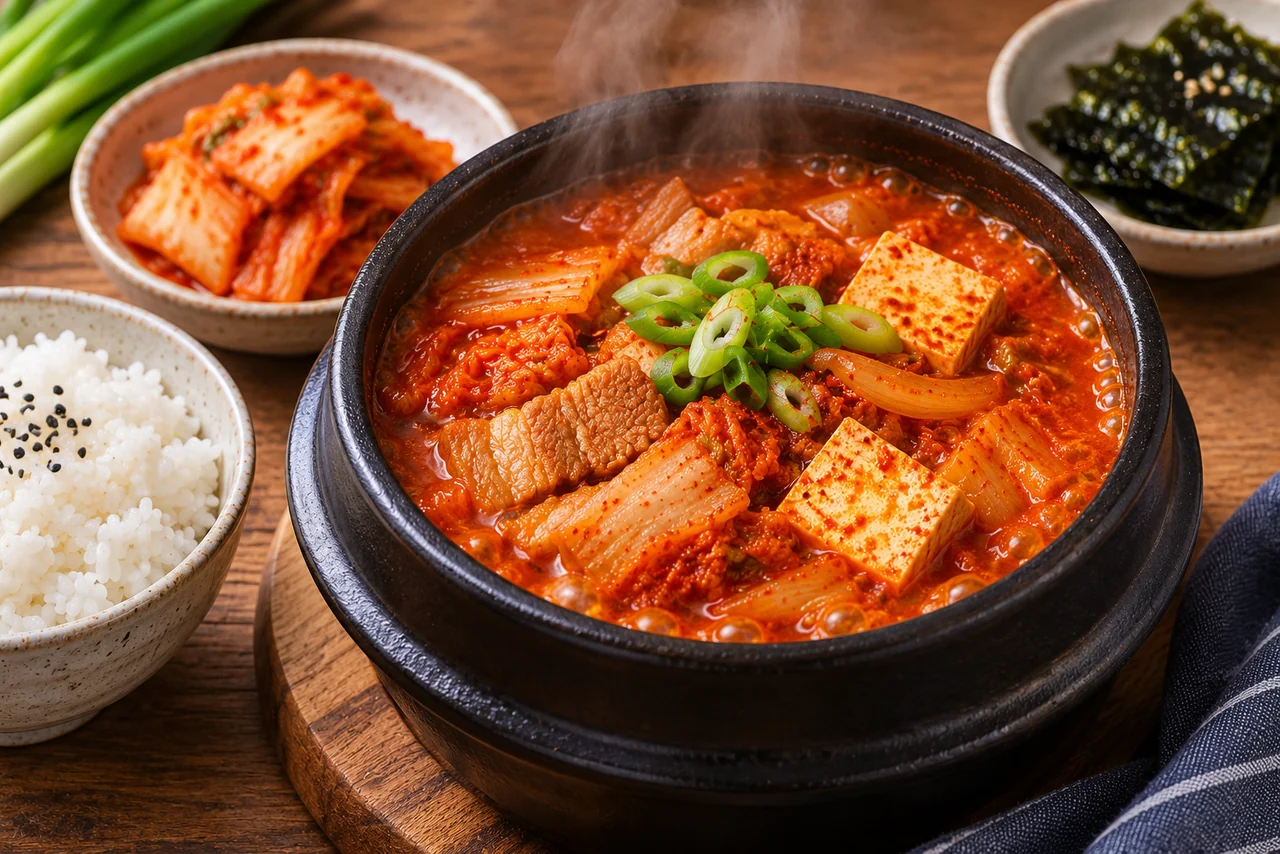
Consistency tip: Kimchi jjigae should be hearty rather than watery, but the ingredients still need enough liquid to simmer. Add 50–100 ml water if needed.
Why older kimchi works best
As kimchi ferments, it develops acidity and layered aromas that become the foundation of the stew. Freshly made kimchi is often crunchier and less sour, so a stew made with it may taste less complex. You can still use younger kimchi: simmer it a little longer, then adjust the broth. A tiny splash of rice vinegar can add tartness, but it cannot reproduce the depth of fermentation.
Use only properly stored kimchi that is still safe to eat. A pleasantly sour fermented aroma is normal; visible mould or an obviously rotten smell is not. When in doubt, discard it. Learn more in our kimchi ingredient guide.
How spicy is kimchi jjigae?
There is no single heat level. It depends on your kimchi and how much gochugaru you add. For a gentler stew, start with 1 tsp gochugaru or omit it, leave out the optional gochujang and serve more rice. For a hotter version, taste before adding extra chilli. Ordinary supermarket chilli flakes can taste much hotter and different from Korean gochugaru, so substitute sparingly.
Three useful variations
1. Tuna kimchi jjigae (chamchi kimchi jjigae)
Replace pork with one can of tuna (about 130–150 g drained). Cook kimchi, onion and garlic in the oil first; add broth and kimchi brine, then simmer for about 15–20 minutes. Stir in tuna and tofu for the final 5 minutes. Check the saltiness before adding any seasoning.
2. Vegetarian or vegan kimchi jjigae
Use 300 g tofu and optionally 150 g mushrooms in place of pork, with water or vegetable stock. Crucially, many kimchi products contain fish sauce or fermented shrimp. Choose explicitly vegan kimchi and check your stock and condiments too. Sauté kimchi and mushrooms, then simmer as in the main method.
3. Minimal-ingredient version
Ripe kimchi, its brine, tofu, onion and water already make a simple stew. The flavour is less rich without pork or stock, but it is still recognisably kimchi jjigae and an easy weeknight meal with rice.
Troubleshooting
| Problem | Likely reason | What to do |
|---|---|---|
| Broth tastes flat | Young kimchi or too much water | Add some kimchi brine; simmer 5–10 minutes longer |
| Too sour | Kimchi is very mature | Add a pinch of sugar and a little more water; serve with rice |
| Too spicy | Strong kimchi or too much gochugaru | Dilute with unsalted stock and add extra tofu |
| Too salty | Kimchi, stock and sauces all contribute salt | Add water; season only at the end next time |
| Tofu falls apart | Excessive stirring | Add later and move it gently |
Storage, allergens and food safety
- Leftovers: Cool promptly, refrigerate in shallow containers within two hours and preferably eat within 2 days. Reheat thoroughly until hot throughout. Avoid repeated heating and cooling.
- Pork: Cook completely; for large pieces use an appropriate food thermometer if needed.
- Allergens: Tofu and soy sauce contain soy. Gochujang and soy sauce may contain wheat/gluten. Kimchi and anchovy stock may contain fish or crustaceans. Sesame oil contains sesame. Always use the actual product labels to identify allergens.
- Rice: Cook fresh, or cool leftover cooked rice rapidly, refrigerate and reheat thoroughly.
Frequently asked questions
Is kimchi jjigae the same as kimchi soup?
Not exactly. Kimchi jjigae is generally stronger, more concentrated and less brothy than lighter kimchi-guk. Family recipes vary.
Can I make kimchi jjigae without gochujang?
Absolutely. Gochujang is optional here. Good kimchi, its brine and a little gochugaru are often enough.
Which tofu is best?
Medium-firm or firm plain tofu slices easily and holds together well. Soft tofu also works, but add and handle it gently.
Can I prepare kimchi jjigae a day ahead?
Yes. Cool it quickly, keep covered in the refrigerator and reheat completely before serving. Add fresh spring onions after heating.
What should I serve with kimchi stew?
Freshly cooked rice is the classic partner. Add a mild vegetable side or other small Korean side dishes if you like.
Find kimchi jjigae ingredients in Ingolstadt
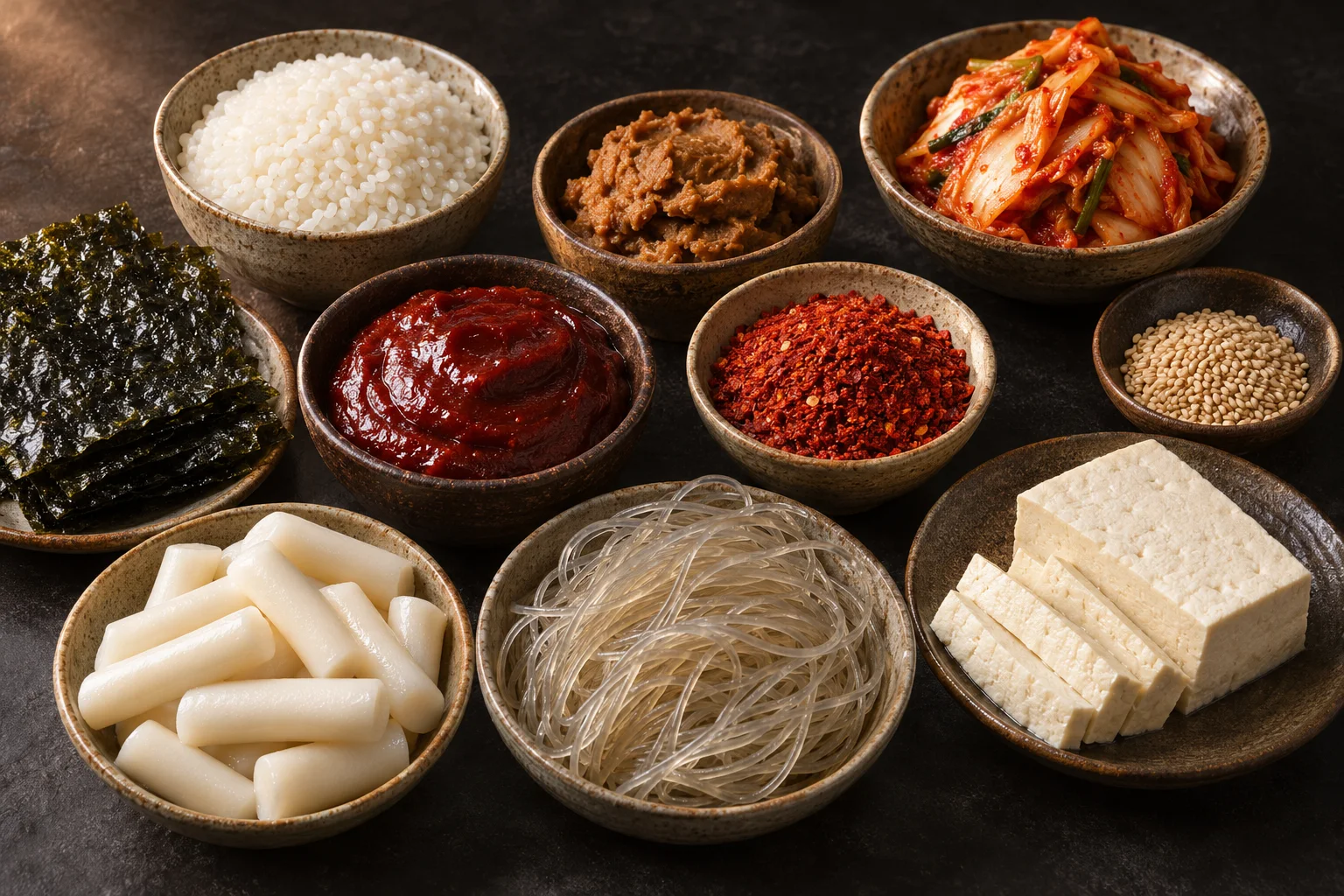
The main items to look for are kimchi, tofu, gochugaru, optional gochujang and rice. See our notes on kimchi and gochujang, or browse more Korean recipes.
You can send an informal availability and pickup enquiry to Asia Markt Thien Tam, Am Dachsberg 2, 85049 Ingolstadt. The shop confirms the actual brands, stock, price and pickup arrangements; the ingredient list is not an online order.
Ask about ingredients for pickup · Contact and directions
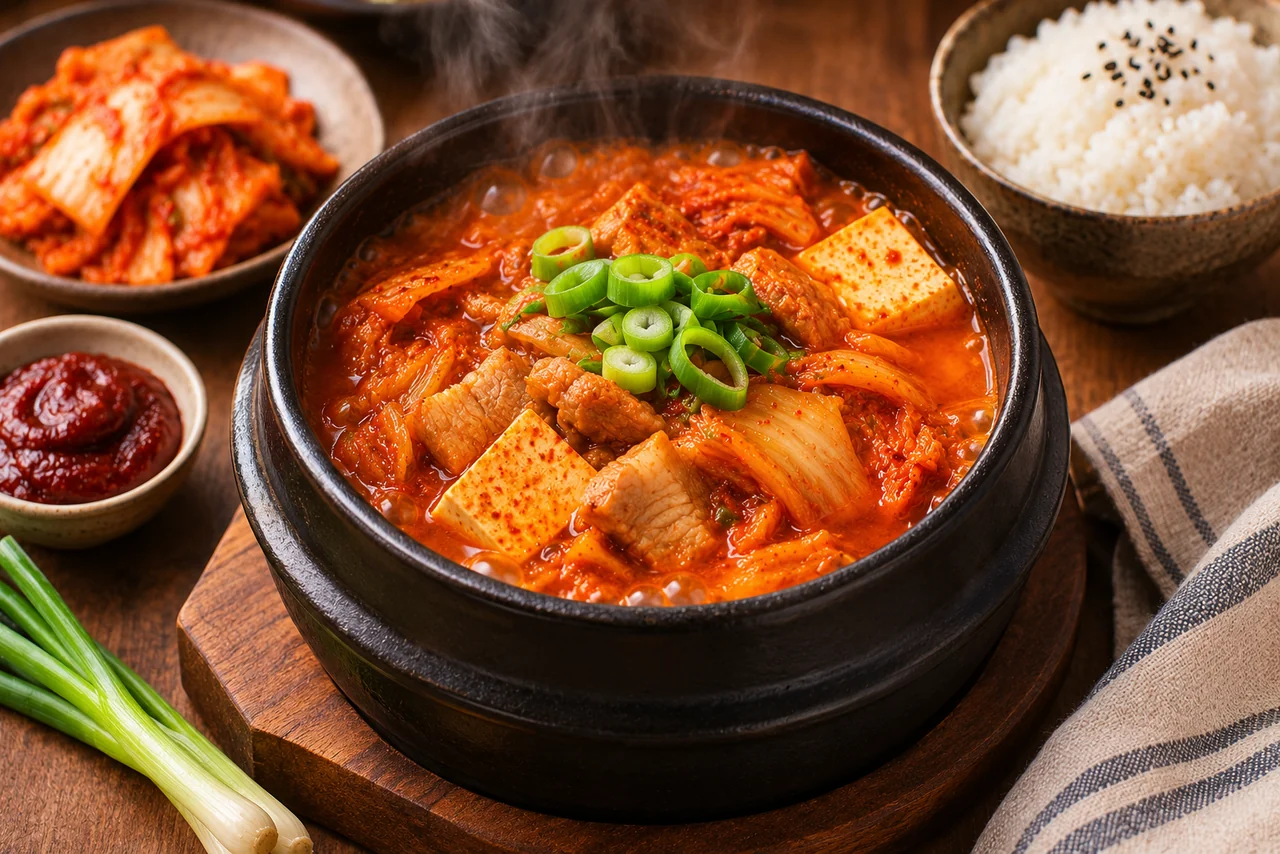
Image note: The food imagery is AI-generated for editorial illustration. It does not represent verified in-store products or a photographed recipe test.
Learn more: 12 Korean pantry essentials and Gochujang vs. Gochugaru.