There is no single universal “Asian pantry.” Vietnamese, Thai, Japanese, Korean and Chinese cuisines use different foundations and flavour profiles. A useful cupboard is therefore not a huge standard checklist. It is a small collection built around the dishes you genuinely enjoy.
Start with rice or noodles
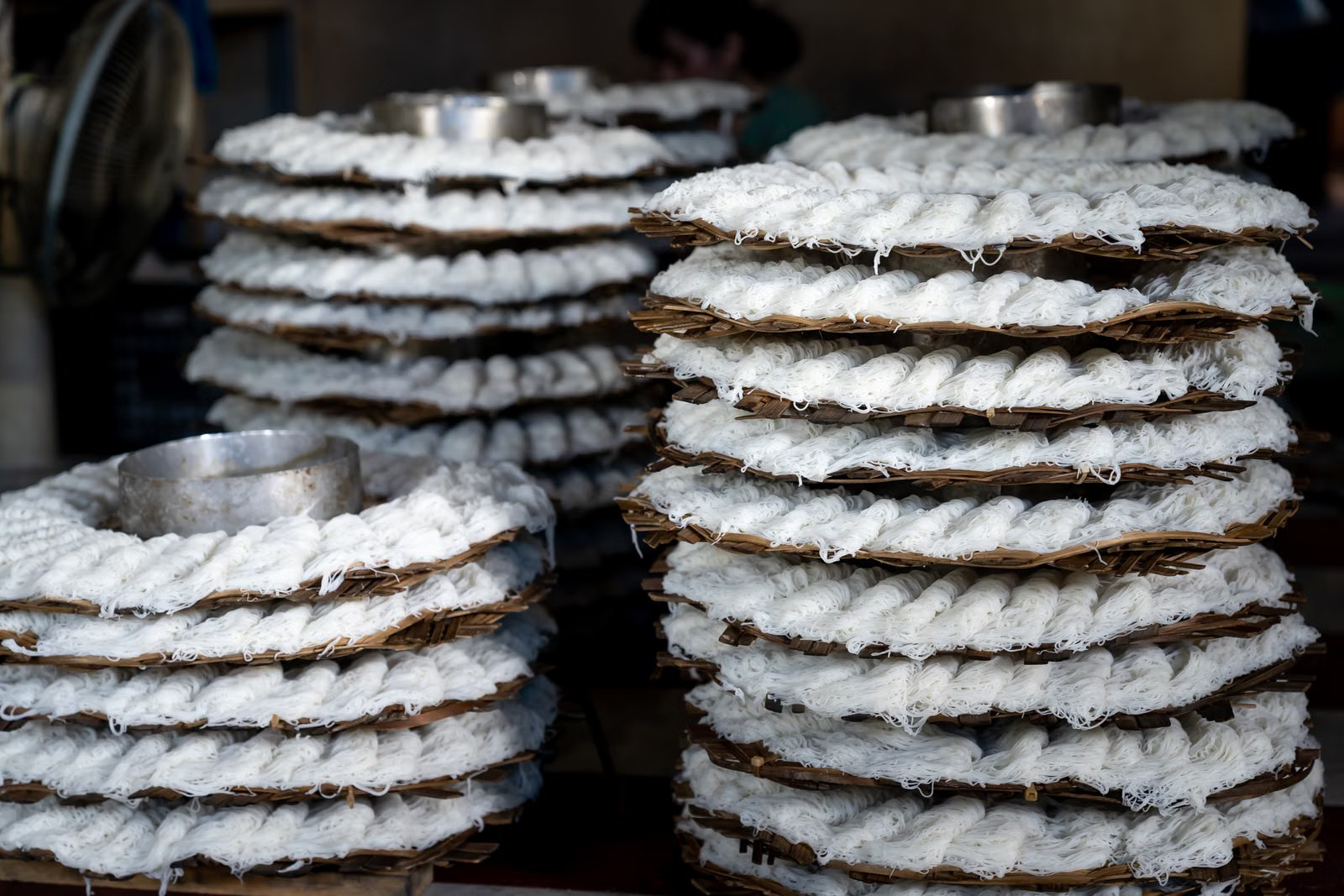
Choose one or two carbohydrate staples. Jasmine rice works well with many Southeast Asian dishes. Sushi rice is intended for Japanese-style rice dishes and becomes stickier. Rice noodles are useful for soups and stir-fries, while wheat noodles generally have a chewier bite. Beginners rarely need several large open bags at the same time.
Buy fewer sauces, but choose them well
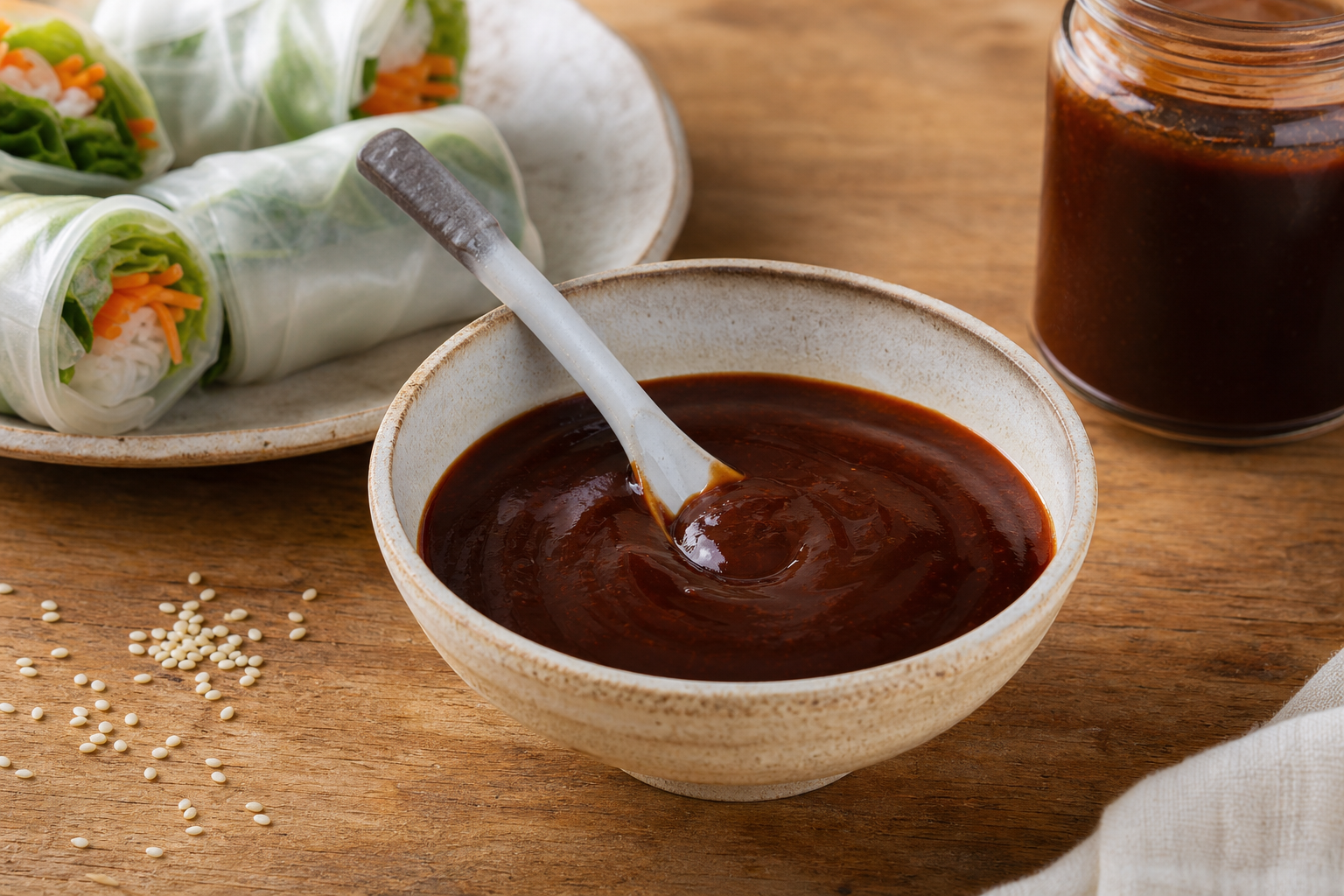
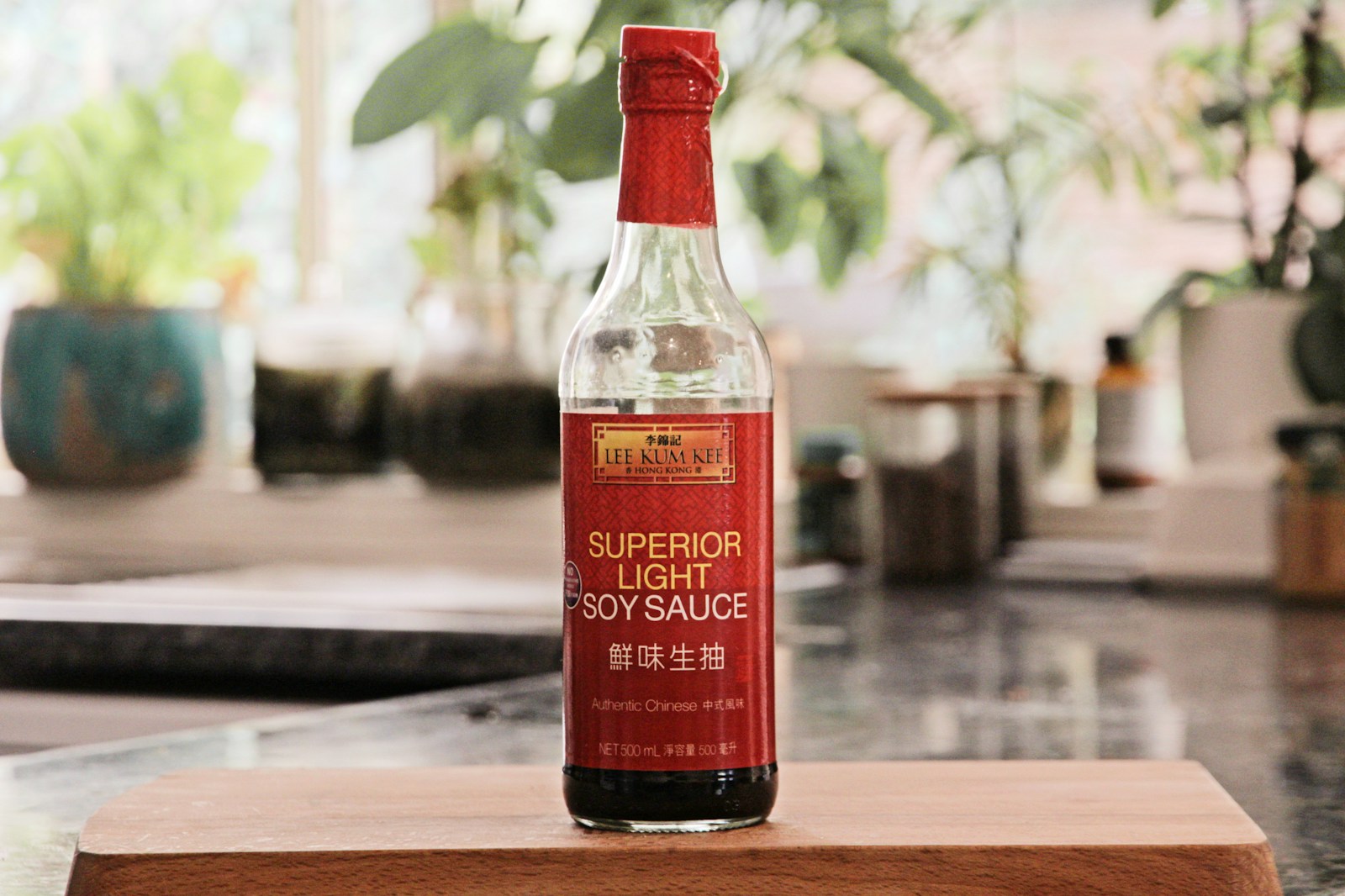
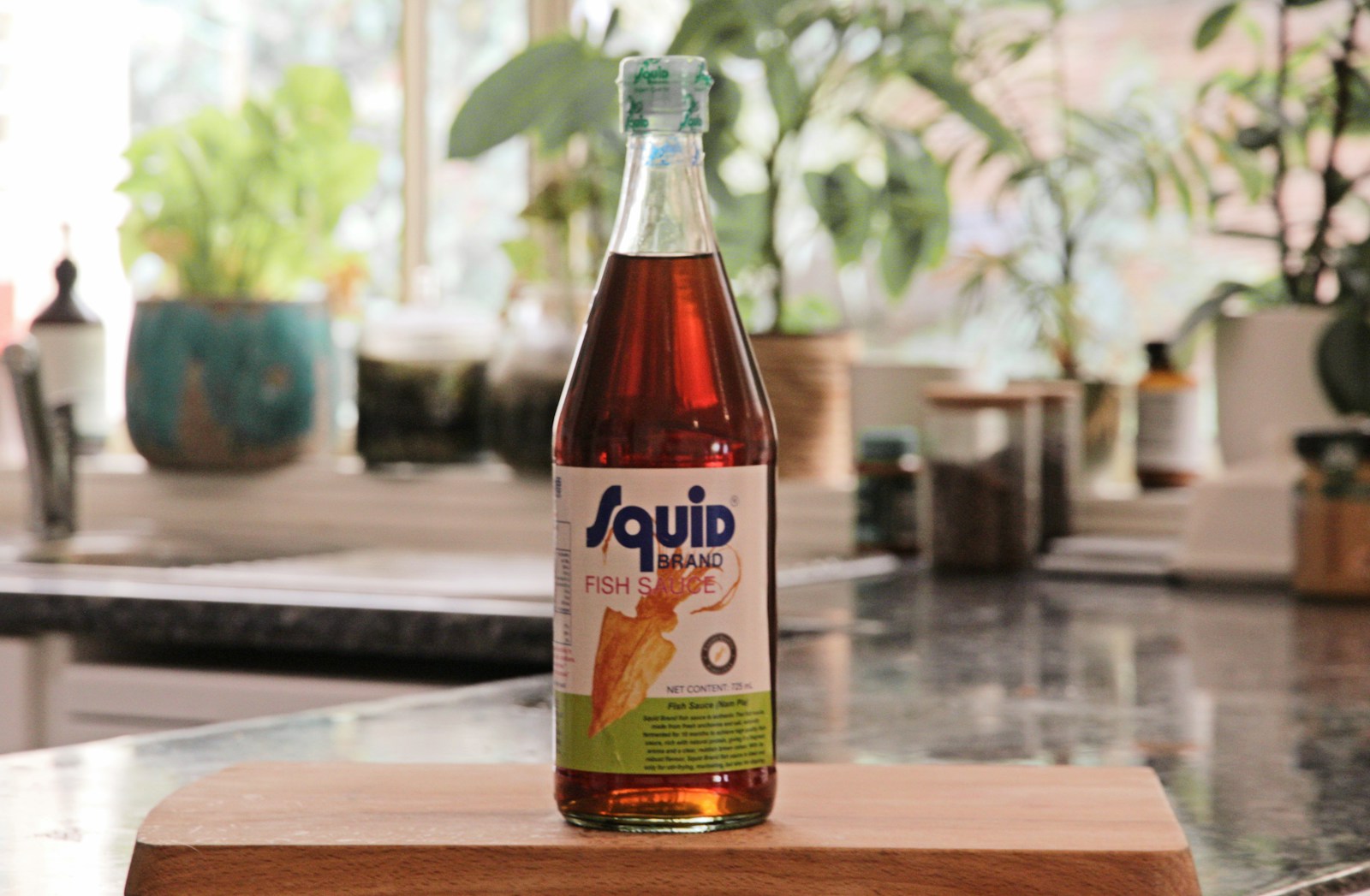
Light soy sauce is a versatile starting point. Depending on the cuisines you cook, you might then add fish sauce, oyster sauce, rice vinegar, miso, gochujang or a Thai curry paste. Do not automatically buy every sauce mentioned in one recipe. Ask whether you can use it in another two or three meals.
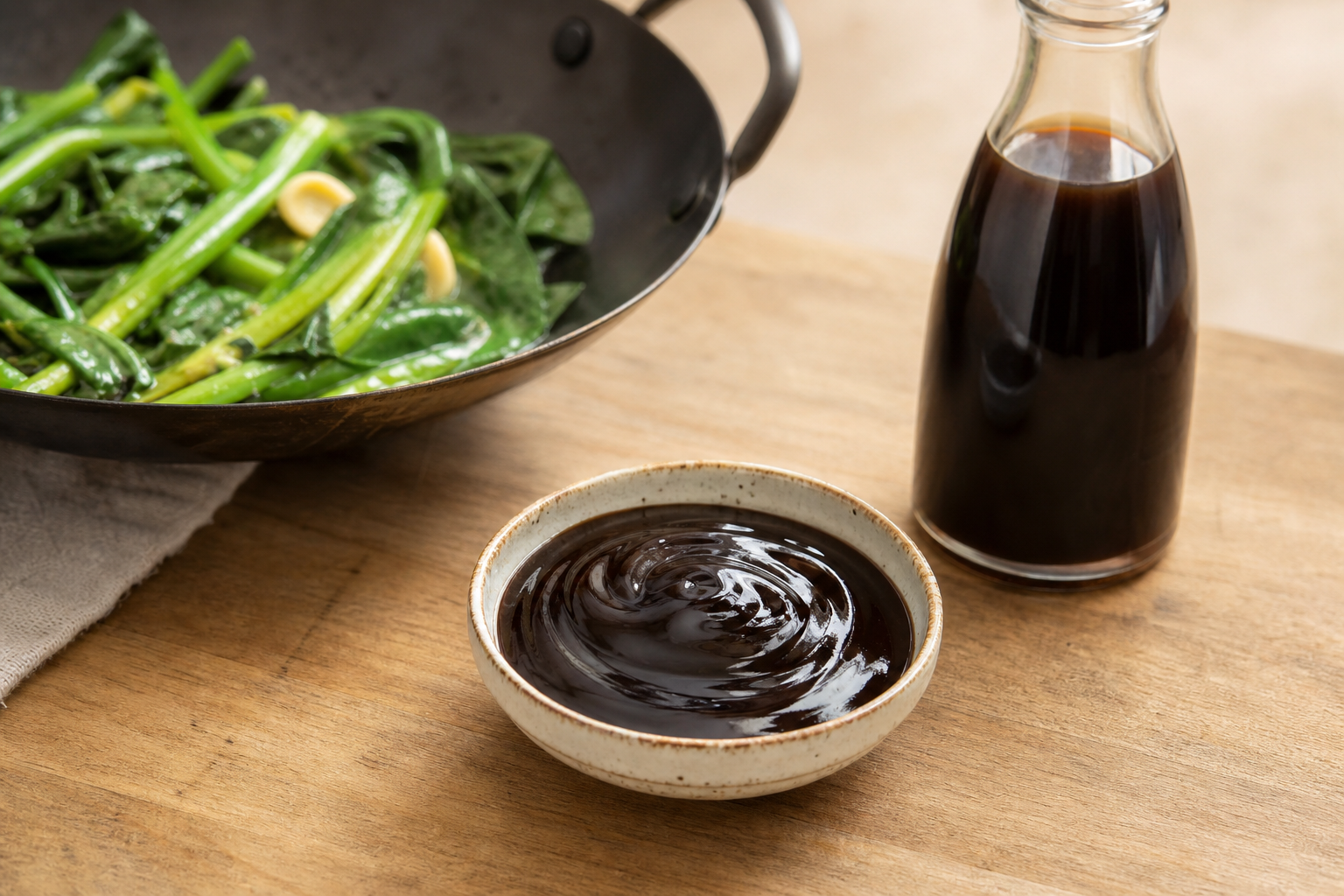
Fish sauce, oyster sauce and soy sauce do different jobs. Dark soy sauce is also often used more for colour and depth than for everyday seasoning. The comparison guides in this hub explain those differences.
High-impact aromatics
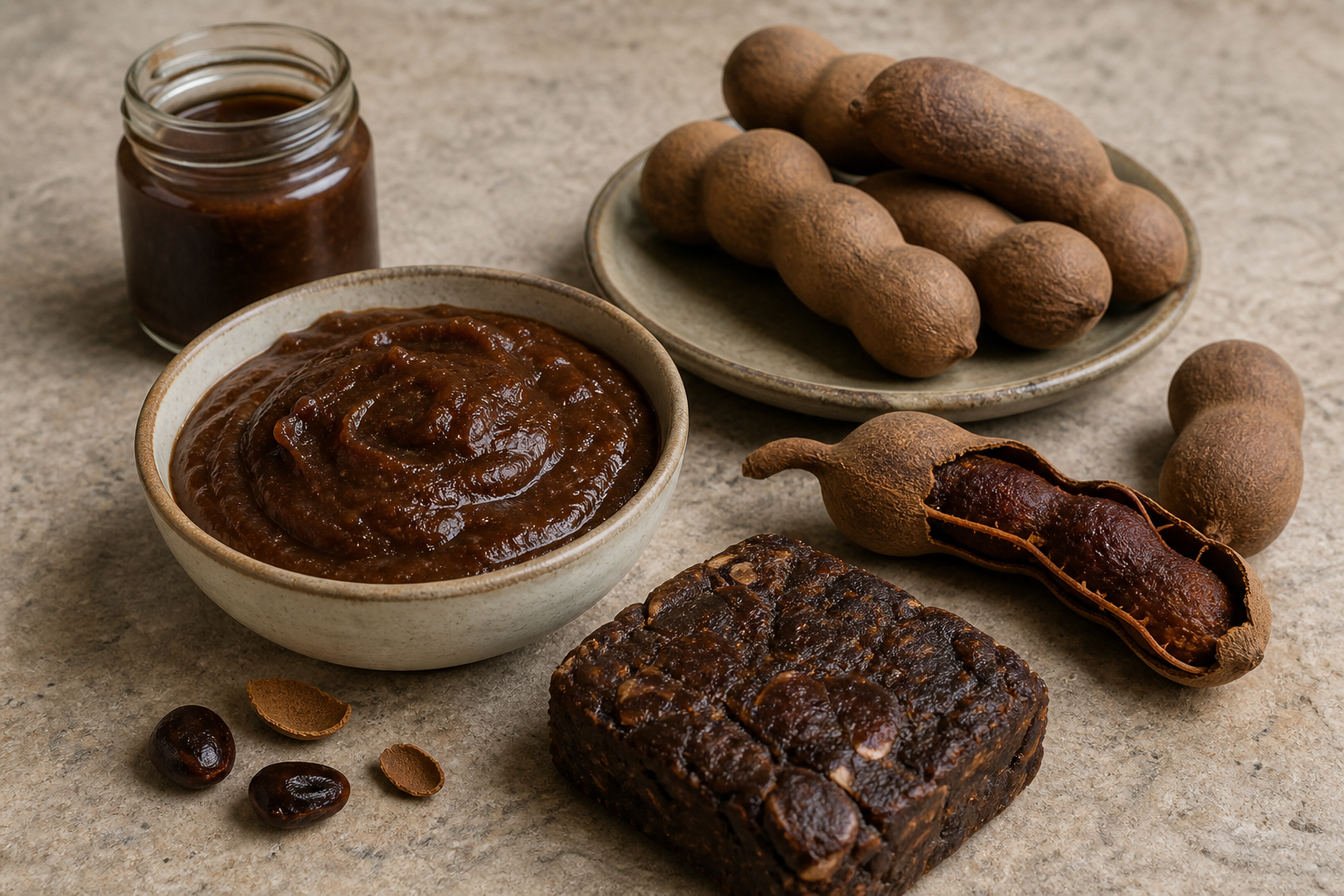
Garlic, ginger, spring onions and chilli are flexible ingredients. Toasted sesame oil is normally used in small quantities as a finishing flavour. Dried mushrooms, seaweed or tamarind are worthwhile when they appear regularly in the food you plan to make.
Frozen help for busy days
Dumplings, edamame, chopped herbs and selected vegetables can make quick meals much easier. Follow storage and cooking instructions. Frozen does not automatically mean inferior; it can be practical for ingredients that travel long distances or have a short fresh season.
A sensible ten-item start
- one rice variety
- one noodle type
- light soy sauce
- rice vinegar
- toasted sesame oil
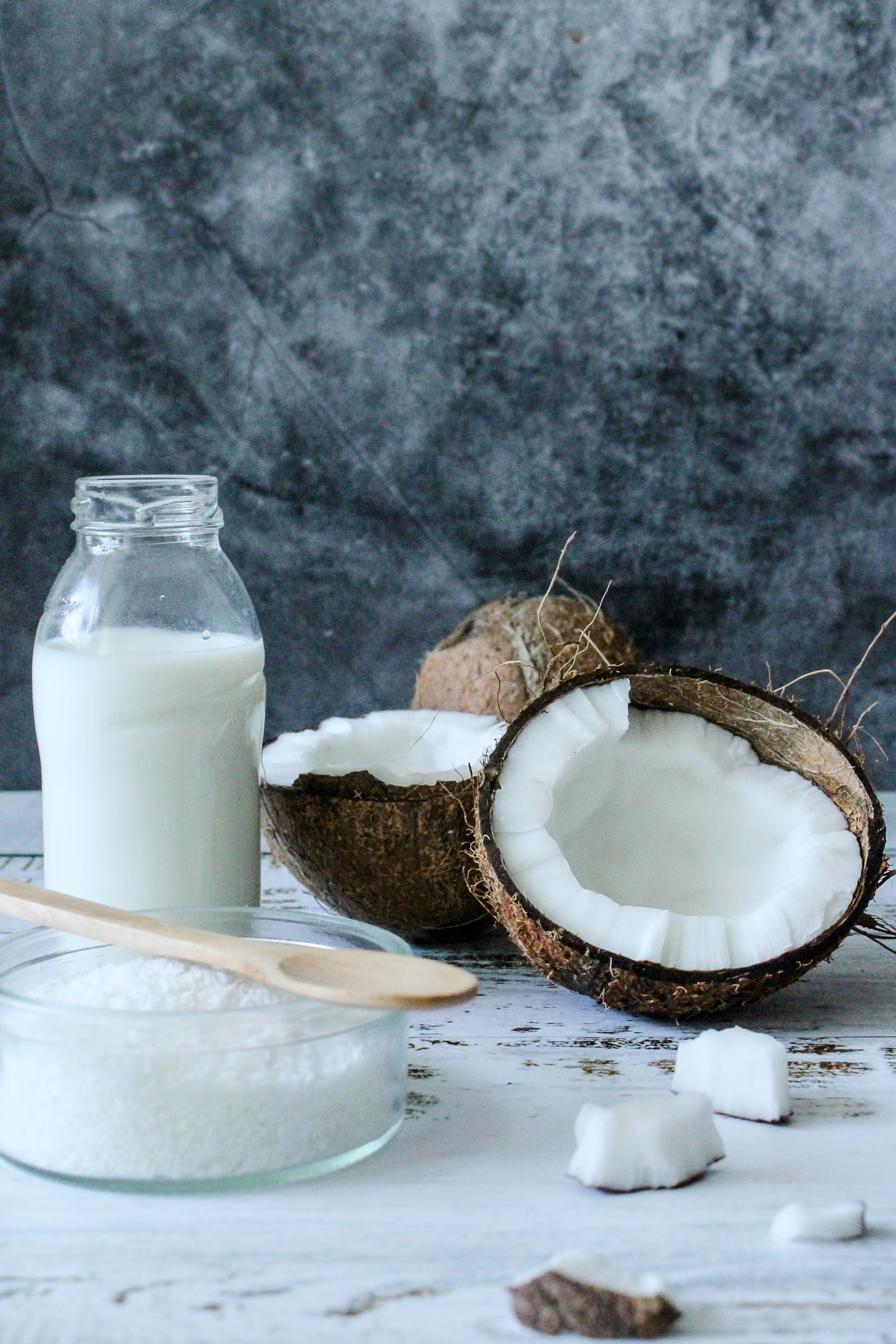
- coconut milk or miso, depending on your preferred cuisine
- one seasoning paste you genuinely like
- garlic and ginger
- frozen dumplings or edamame
- one versatile chilli sauce, if wanted
Storage
Always follow the manufacturer’s instructions after opening. Some sauces keep well in a cool, dark cupboard, while others should be refrigerated. Use clean spoons, close packages properly and write the opening date on products you use only occasionally.
Related guides
Continue with: First time in an Asian grocery store? Start here, Rice noodles, glass noodles or wheat noodles: which do you need?, Light or dark soy sauce: which one fits your dish?.