What is it?
Tamarind paste is made from the fruit pulp of the tamarind pod and provides a distinctive fruity acidity. It is important in Thai, Indian and other Asian cuisines. Block, pulp, paste, concentrate and prepared sauce can differ substantially in composition and strength.
Taste and use
Distinctly sour, fruity and deep, ranging from gentle to very intense depending on form and concentration.
Best uses
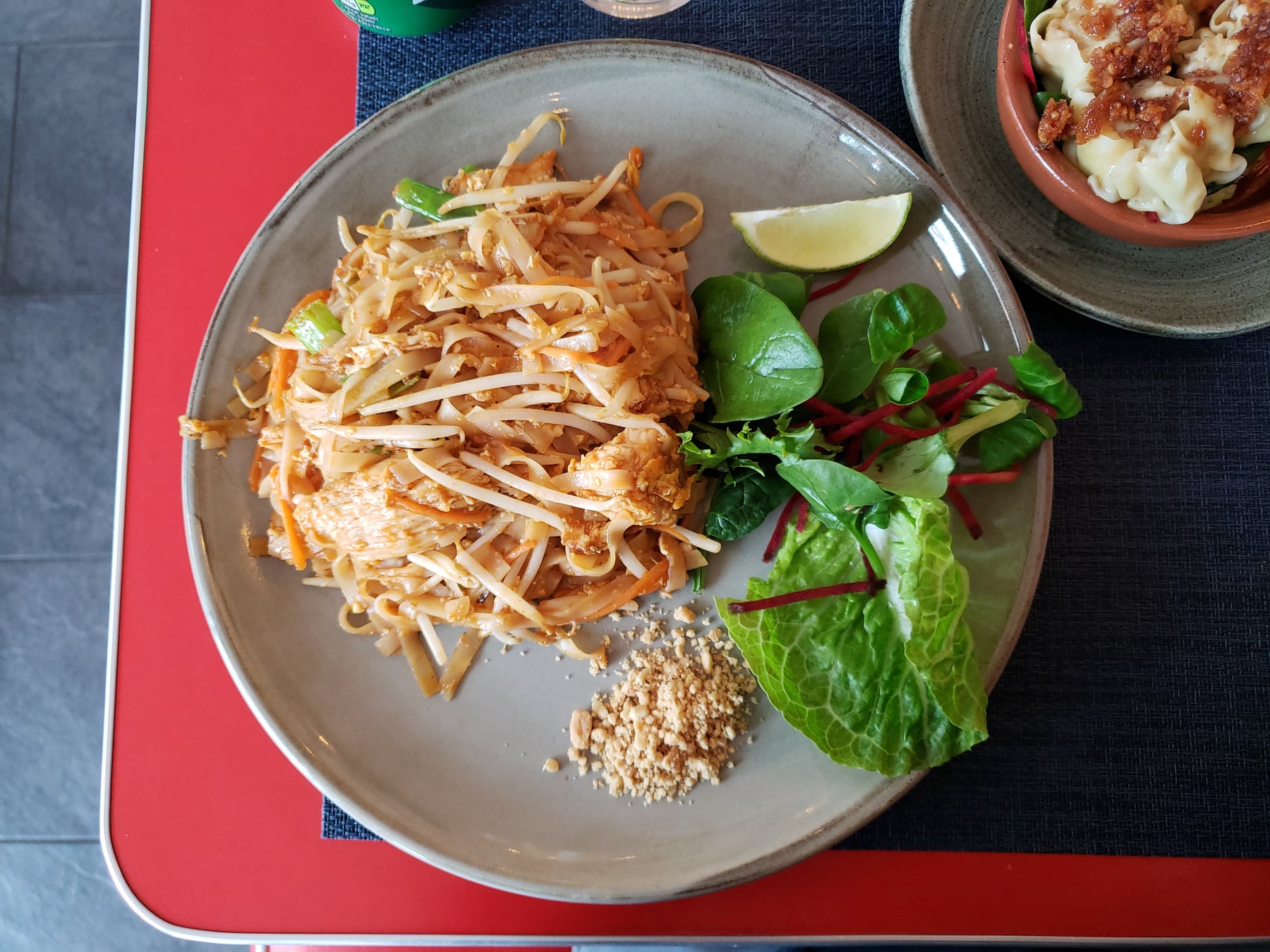
- Adding acidity to Pad Thai and noodle dishes
- Balancing curries, soups and sauces
- Giving dips fruity depth
- Balancing sweet-sour glazes
How to recognise it on the shelf
- Look for “Tamarind Paste”, “Tamarind Pulp”, “Tamarind Concentrate” or German “Tamarindenmark”, while remembering that these words do not guarantee one strength.
- Check whether the product is pure tamarind or contains water, sugar, salt, spices or other sauce ingredients.
- Dilution directions often indicate that a concentrate should not be measured like a ready-to-use paste.
- Pressed pulp may retain fibre or seeds; prepared sauces require a full allergen check.
Product types and forms
Tamarind block or pressed pulp
Compressed fruit pulp that is normally soaked, squeezed and strained. Fibres or seed fragments may remain.
Ready-to-use tamarind paste
Processed paste for direct measuring; water content and strength differ among products.
Tamarind concentrate
A stronger form that may need a smaller amount or dilution. Manufacturer directions matter.
Sweetened or seasoned tamarind sauce
A prepared sauce with extra ingredients whose sweetness, salt and allergens differ from pure tamarind.
Pad Thai cooking sauce
A pre-seasoned blend containing tamarind and other ingredients; it is neither pure paste nor universal concentrate.
Shopping advice
- For a first Pad Thai, clearly labelled ready-to-use paste is often easier to measure than a strong concentrate.
- Check added sugar or salt and whether the pack gives dilution directions.
- Choose the form for the recipe; a block serves a different workflow from a prepared dip or Pad Thai sauce.
- Read notes about fibres, seeds and storage after opening, and check the complete allergen list on prepared sauces.
Substitutions
Lime juice
Function replaced: It can provide part of the acidity needed in a dish.
What changes: Tamarind's dark fruity depth is missing; adjust by tasting rather than following a fixed conversion.
Dietary note: Pure lime juice is plant-based, while any prepared product still needs checking.
Allergens: For bottled juice, read the ingredients, additives and package warnings.
Rice vinegar
Function replaced: It supplies clean sourness when the acid function matters more than tamarind aroma.
What changes: The flavour is brighter and less fruity; rice vinegar is not a direct 1:1 substitute.
Dietary note: Suitability depends on the exact product and the remaining recipe ingredients.
Allergens: The ingredient list and product-dependent warnings remain decisive.
Vegetarian, vegan and allergen information
Pure tamarind products can have short ingredient lists and may be plant-based. Prepared sauces can contain soy, fish, crustaceans, peanuts or other ingredients, so the category is not a guarantee.
Storage
Store unopened and opened products according to the manufacturer's instructions. Keep the container clean and tightly closed. Block, paste, concentrate and prepared sauce may have different refrigeration and after-opening directions.