Many Asian noodles look similar on the shelf but behave very differently in the pan. The most useful clues are their base ingredient, thickness and intended cooking method.
| Noodle family | Common base | Texture | Typical uses |
|---|---|---|---|
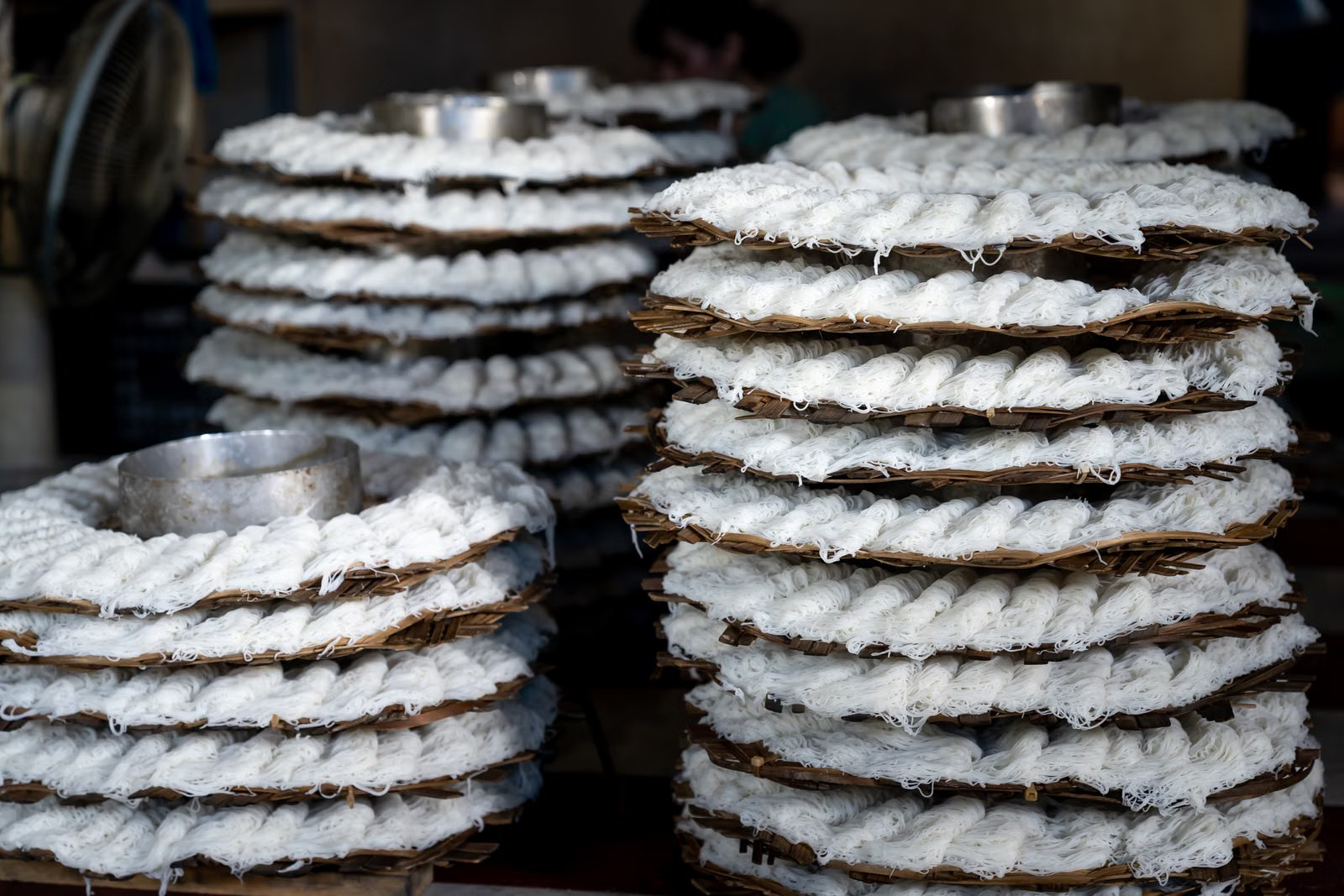
| Rice noodles | Rice flour, sometimes with starch | tender to springy | phở, Pad Thai, salads, stir-fries |
| Glass noodles | Starch such as mung bean or sweet potato | translucent and elastic | soups, salads, hotpot, fillings |
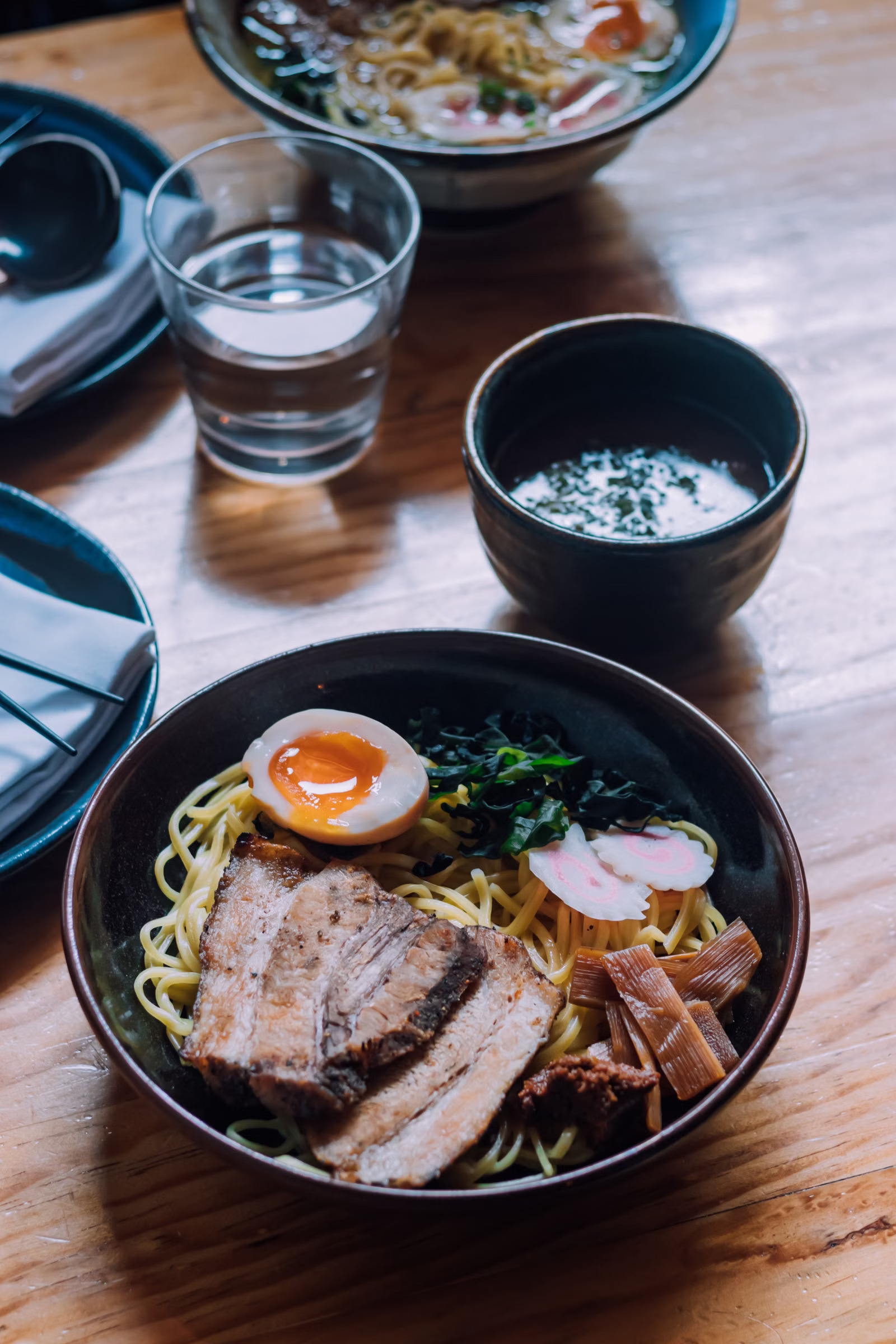
| Wheat noodles | Wheat flour, sometimes egg or alkaline salts | chewy to elastic | ramen, chow mein, udon, wok dishes |
Rice noodles
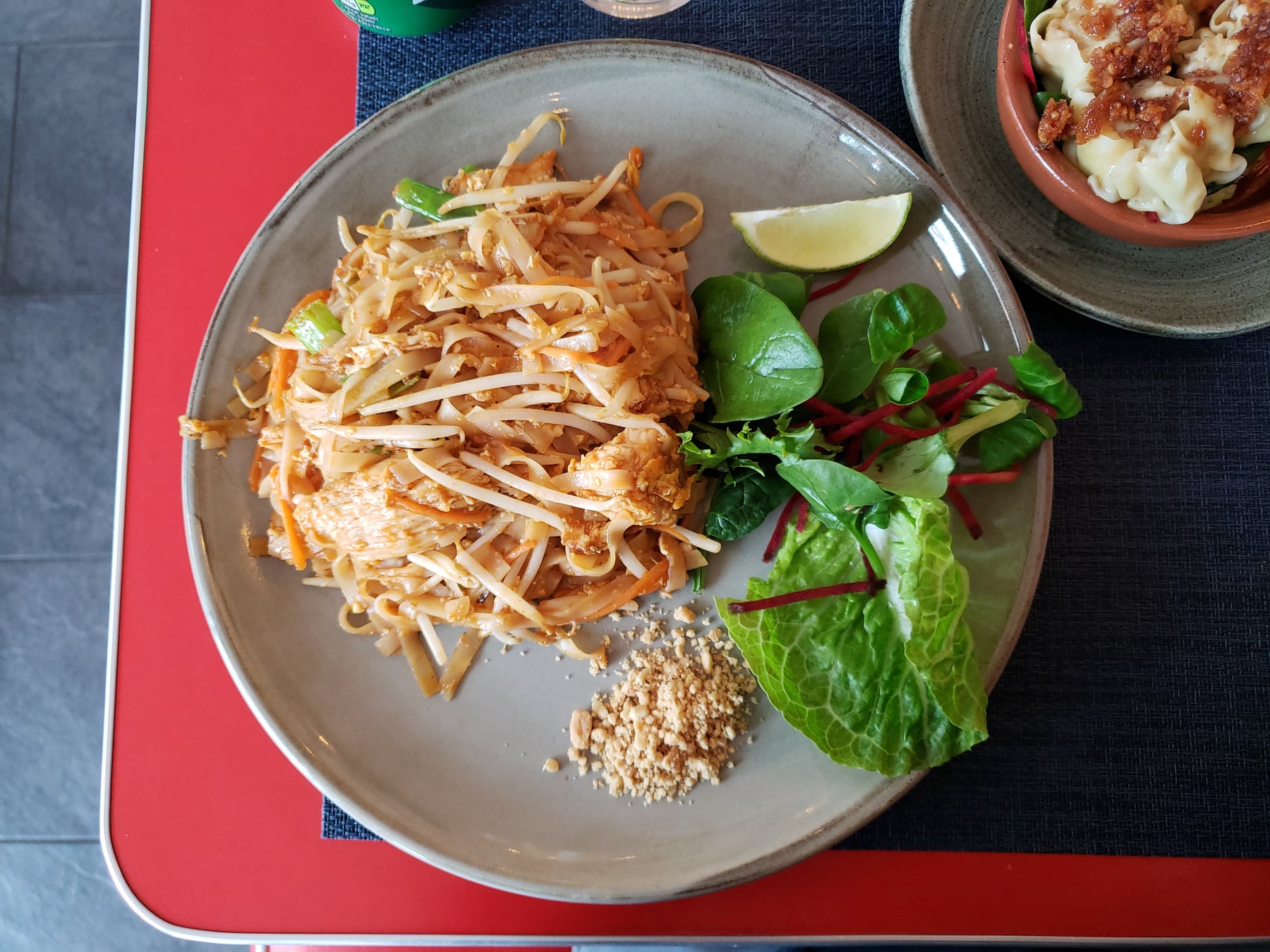
Rice noodles range from very fine vermicelli to broad ribbons. Thin types may need only soaking or brief cooking. Broad noodles can break if stirred too aggressively and can stick when overcooked. For Pad Thai, the noodles should usually be flexible but not completely soft before they enter the pan.
Glass noodles
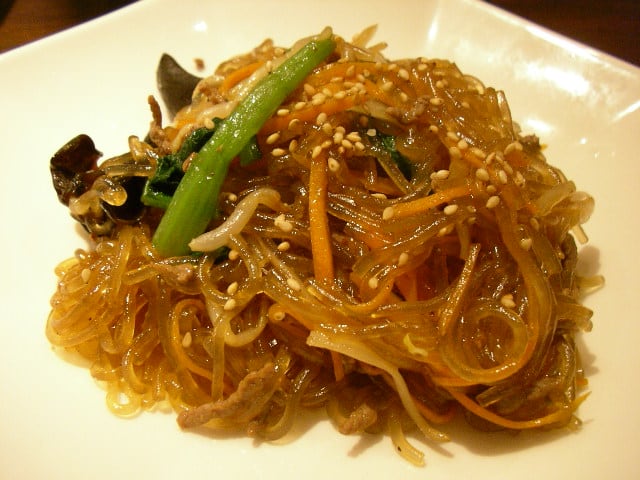
Glass noodles become translucent after cooking, but they are not necessarily made from rice. Mung bean, potato, tapioca and sweet-potato starch are common bases. Korean sweet-potato dangmyeon are thicker and much more elastic than delicate mung-bean vermicelli.
Wheat noodles
This large family includes many Chinese noodles, ramen and udon. Ramen often gets its characteristic bite from alkaline ingredients. Udon is thick and softly chewy. A product called “egg noodles” may contain egg, but names and formulations vary. When allergens matter, rely on the ingredient list rather than the front label.
How to avoid mushy noodles
- Start with the packet instructions because cooking times vary widely.
- For stir-fries, stop cooking slightly early; the noodles continue cooking in the sauce.
- Do not leave drained noodles sitting warm for a long time.
- Prepare the sauce and other ingredients before cooking the noodles.
- For soaked noodles, check that they bend but still feel stable.
Which noodles fit which dish?
- Phở: flat rice noodles
- Bún or summer rolls: thin rice vermicelli
- Pad Thai: medium-width rice noodles
- Japchae: Korean sweet-potato glass noodles
- Ramen: alkaline wheat noodles
- Udon soup: thick udon wheat noodles
- Chow mein: thin wheat or egg noodles, depending on the recipe
Related guides
Continue with: Light or dark soy sauce: which one fits your dish?, Firm, soft or silken tofu: which one fits your dish?, Asian pantry essentials: start small and cook more.