
An Asian grocery store can feel overwhelming on your first visit: rows of similar bottles, several kinds of rice, unfamiliar writing and a freezer full of foods you have never cooked. You do not need to become an expert before you shop. The easiest approach is to buy for one or two actual meals, not for an entirely new cuisine.
Begin with a dish, not twenty products
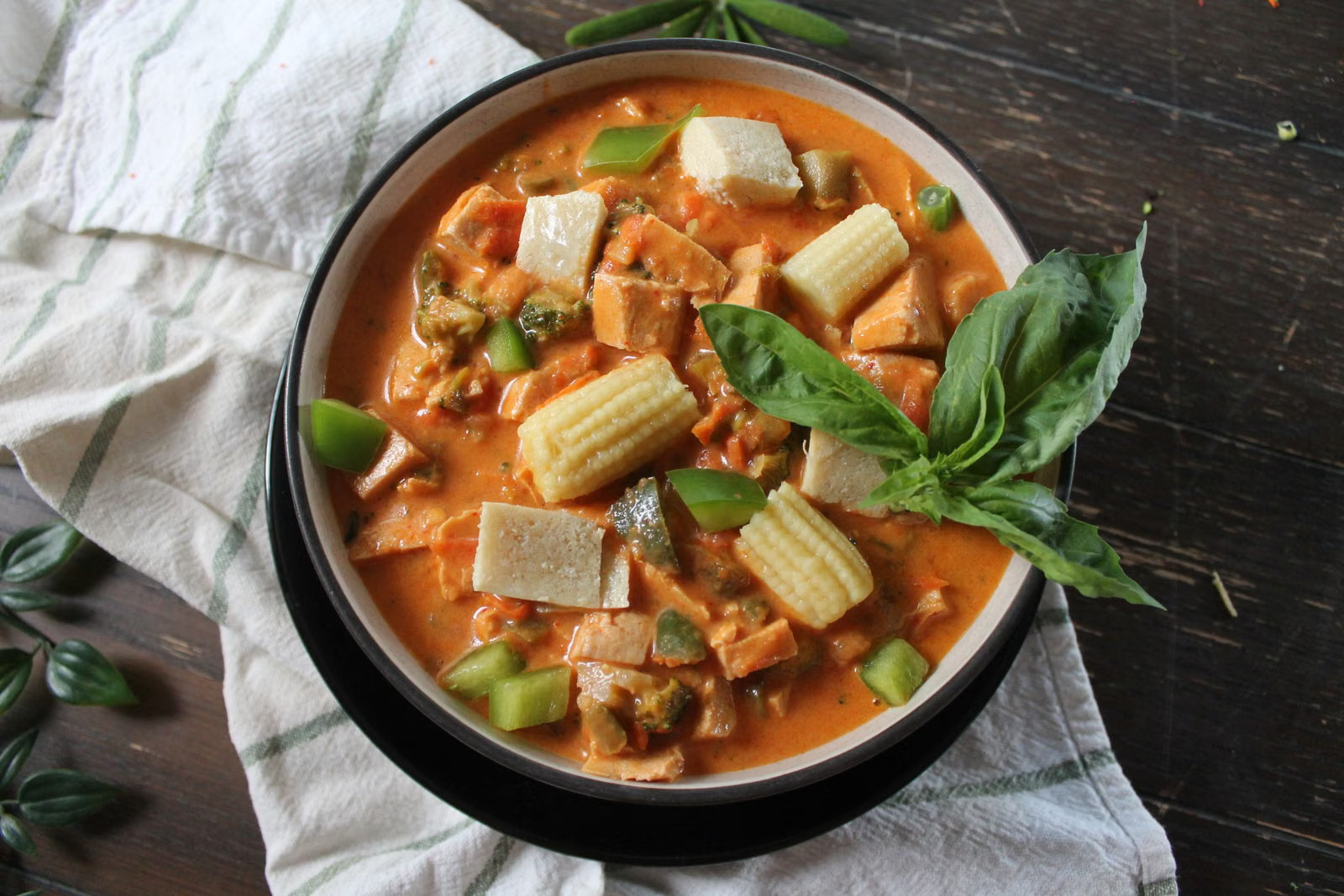
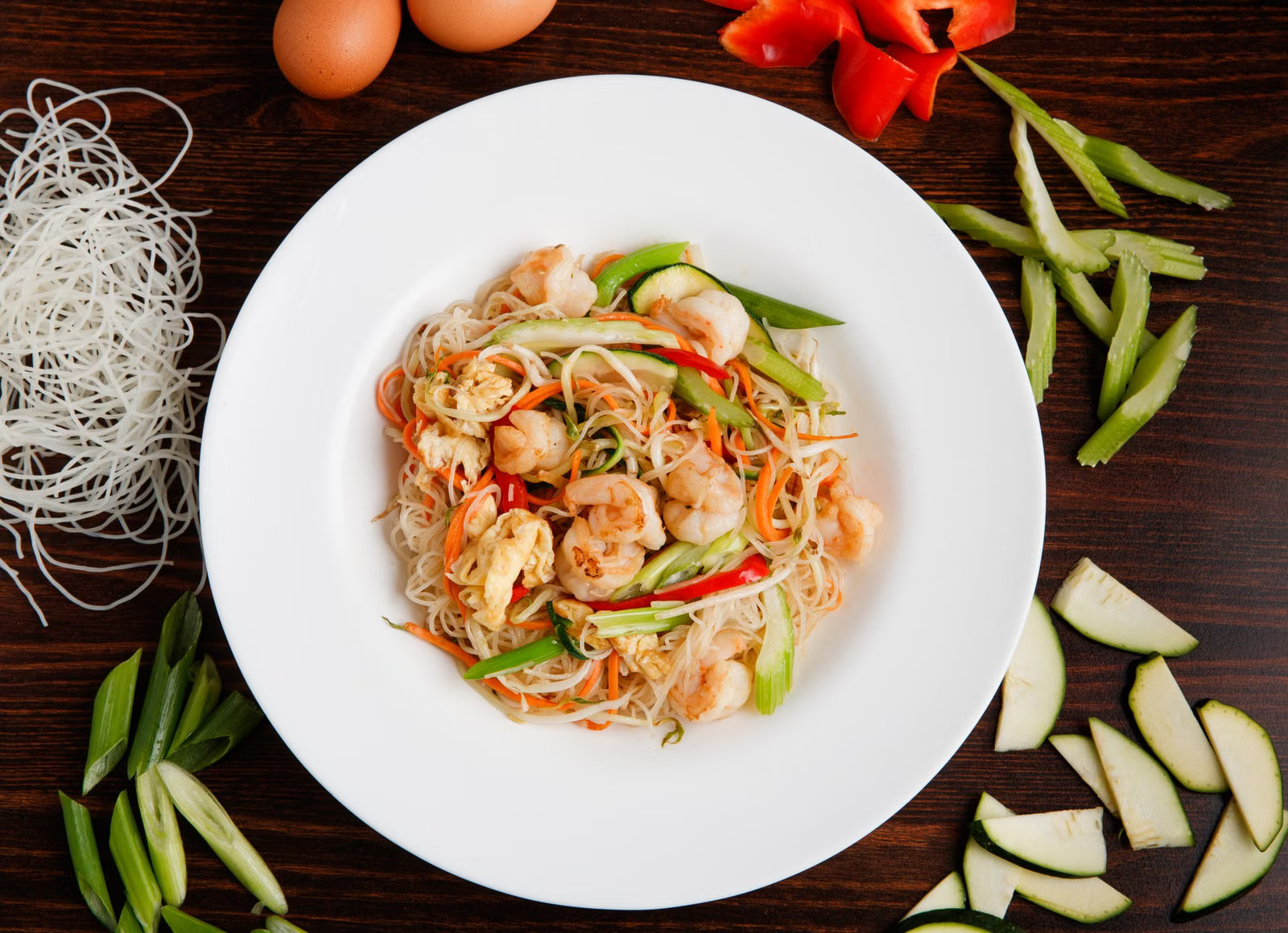
Decide what you genuinely plan to cook in the next few days. A mild Thai curry might need curry paste, coconut milk, rice and vegetables or tofu. A simple noodle stir-fry needs the right noodles, soy sauce, vegetables and a protein. Once the meal is clear, it becomes much easier to understand which products belong together.
A useful beginner basket
These ingredients work in many straightforward meals:
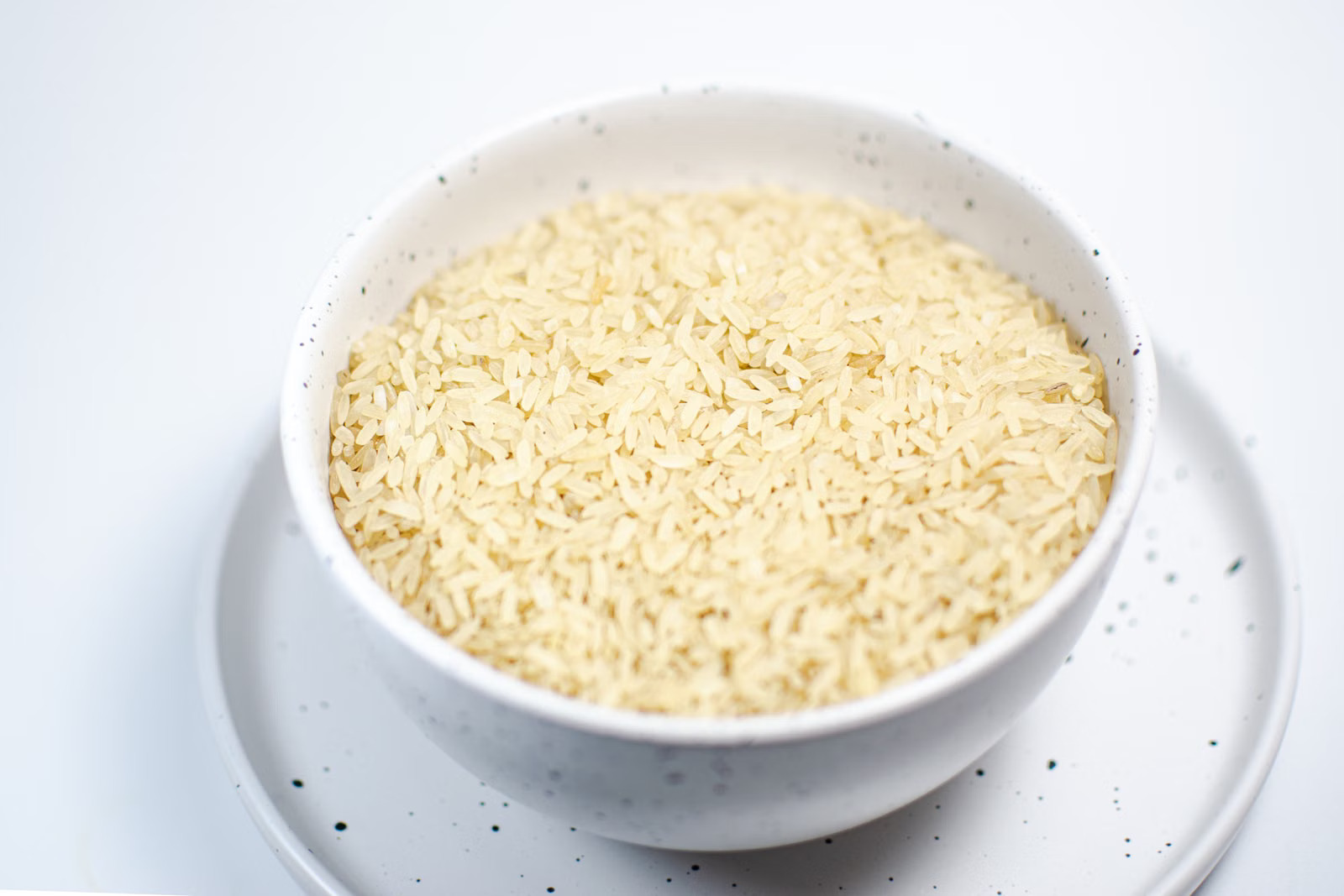
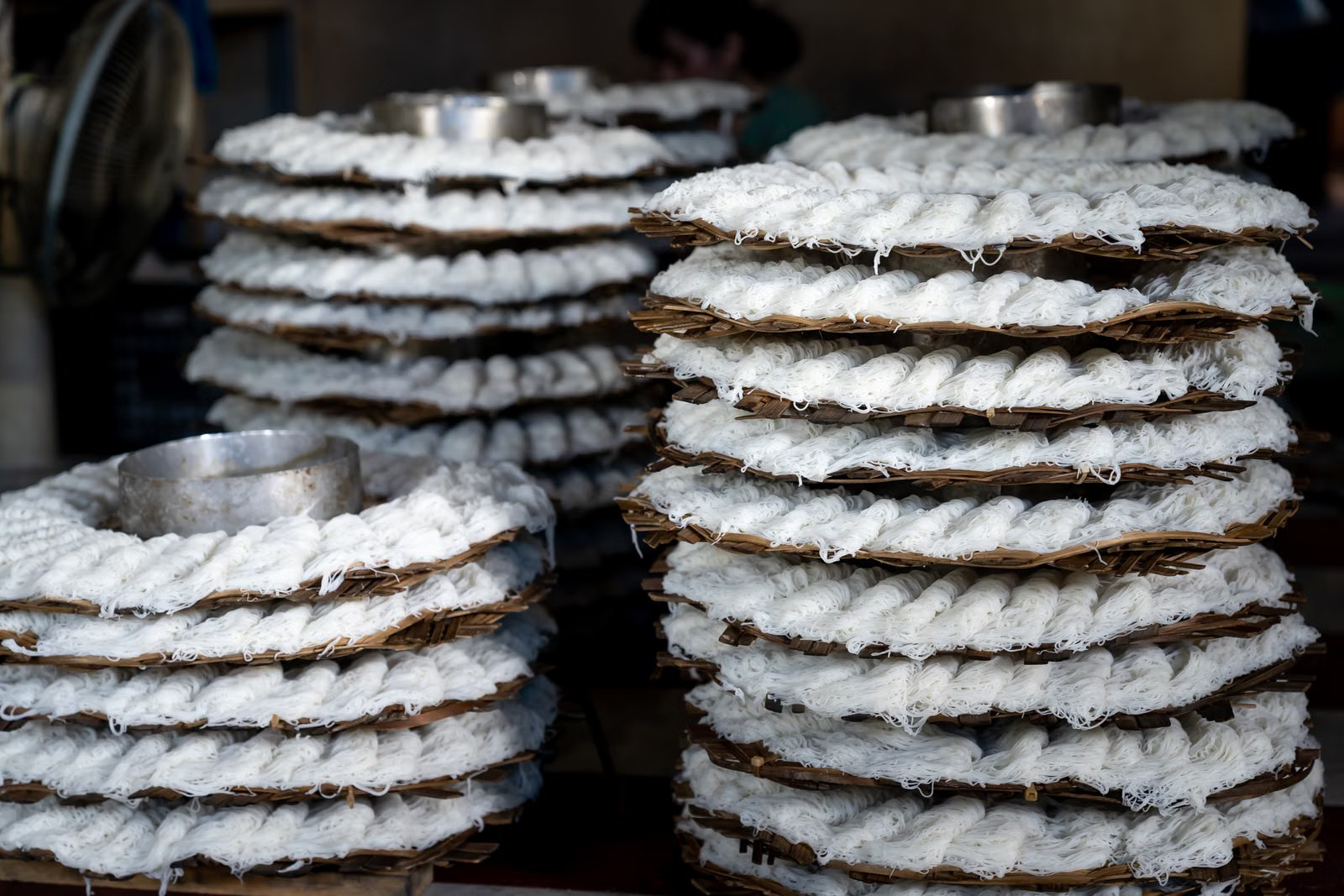
- jasmine rice or one suitable noodle type
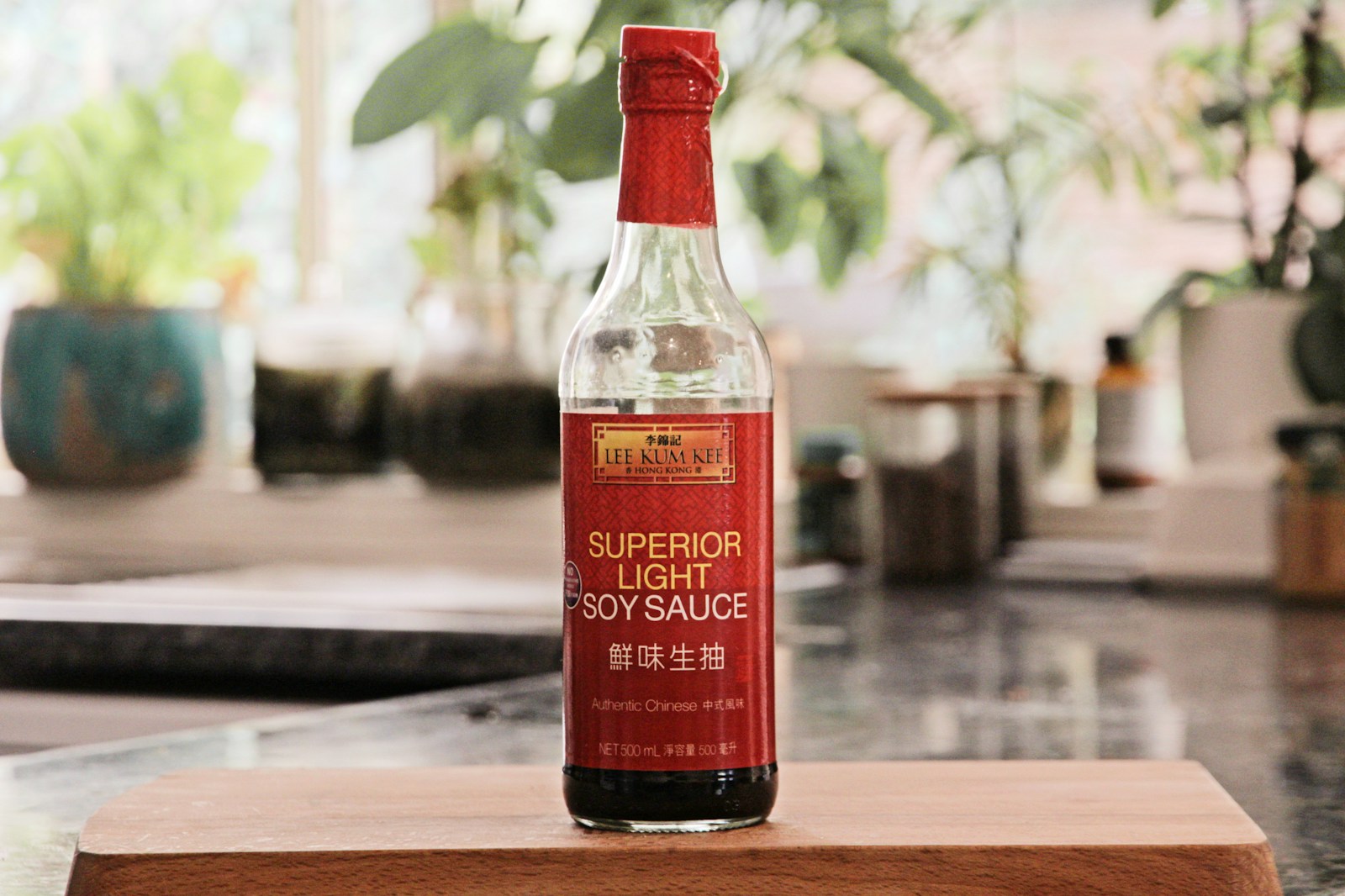
- light soy sauce
- a small bottle of toasted sesame oil
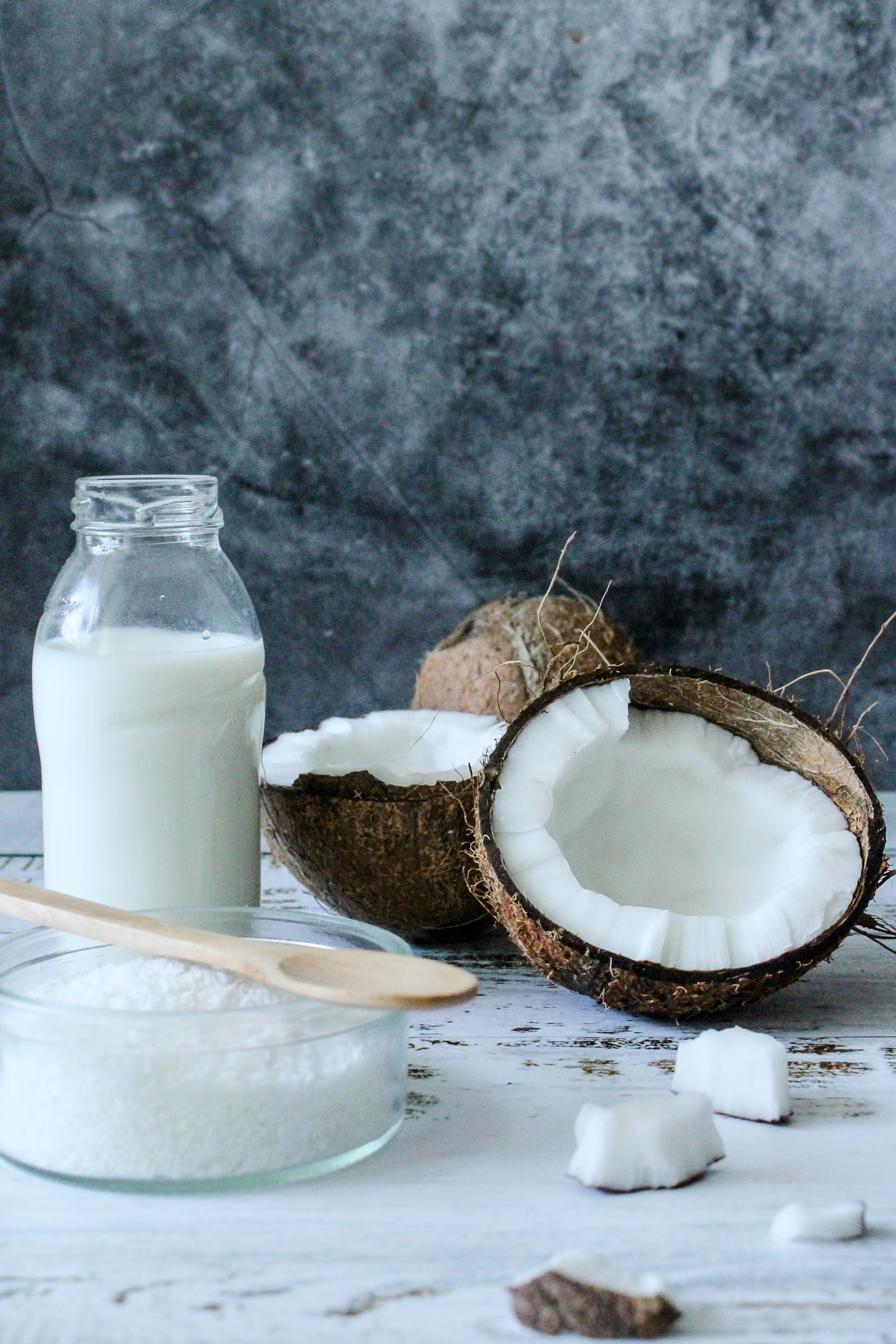
- coconut milk made for cooking
- one curry paste or gochujang if you enjoy heat
- rice vinegar
- frozen dumplings or edamame for quick meals
There is no need to buy everything at once. Five ingredients used across several planned dishes are more useful than a cupboard full of experiments.
Compare the label, not only the front picture
Check the ingredient list, allergens, net quantity and cooking directions. Soy sauces can differ greatly in saltiness. Coconut drink is not the same product as coconut milk for a curry. With noodles, the base ingredient, thickness and shape matter more than similar package colours.
Always check allergen information for products that may contain soy, wheat, sesame, peanuts, fish or crustaceans. Recipes and manufacturing methods vary between brands and can change.
Fresh, chilled and frozen foods
Buy fresh herbs and vegetables for a meal you plan to make soon. Chilled and frozen products should get home promptly. A cool bag is helpful, particularly if the journey is longer. For seasonal or fast-selling fresh items, ask about current availability before travelling.
Asking is part of shopping
It is completely normal not to recognise an ingredient. Show the recipe or a picture and say what you want to cook. “Which soy sauce works for fried noodles?” is easier to answer than simply “Where is the soy sauce?”
Three common beginner mistakes
- Buying too much at once: a large unfamiliar bottle may remain unused for months.
- Assuming similar products are interchangeable: rice noodles, glass noodles and wheat noodles cook differently.
- Underestimating heat: begin with a small amount of curry paste, chilli oil or gochujang and adjust after tasting.
Your next step
Choose one dish or cuisine first. Then use our guides to soy sauce, rice, noodles, coconut products, tofu and Thai curry paste to turn an unfamiliar shelf into a manageable shopping list.
Related guides
Continue with: Asian pantry essentials: start small and cook more, Rice noodles, glass noodles or wheat noodles: which do you need?, Light or dark soy sauce: which one fits your dish?.