For many young people, vegan food feels modern, light and flexible. Bowls, crispy tofu, ramen, summer rolls and a shared hotpot look great, can be customised easily and fit an everyday life in which flavour, health and sustainability all matter.
The interest is real. Plant-based and flexitarian eating again ranked as the leading nutrition trend in Germany’s 2025 nutrition trend report. Sales volume for tofu, tempeh and seitan also rose strongly in Germany during 2025. Korean dishes, kimchi and build-your-own bowls continue to gain visibility through social media and delivery platforms.
Still, one point matters: vegan does not automatically mean healthy, and it is not a free pass against weight gain. Chips, sugary drinks and heavily processed convenience foods can all be vegan. What matters is how the overall meal and diet are put together.
Can a vegan diet be healthy?
Yes. According to the German Nutrition Society, a well-planned vegan diet can support health in healthy adults. It requires a varied food selection, reliable vitamin B12 supplementation and attention to several other potentially critical nutrients.
A strong everyday foundation includes:
- a wide variety of vegetables and fruit,
- wholegrain rice, noodles, oats, potatoes and other filling carbohydrates,
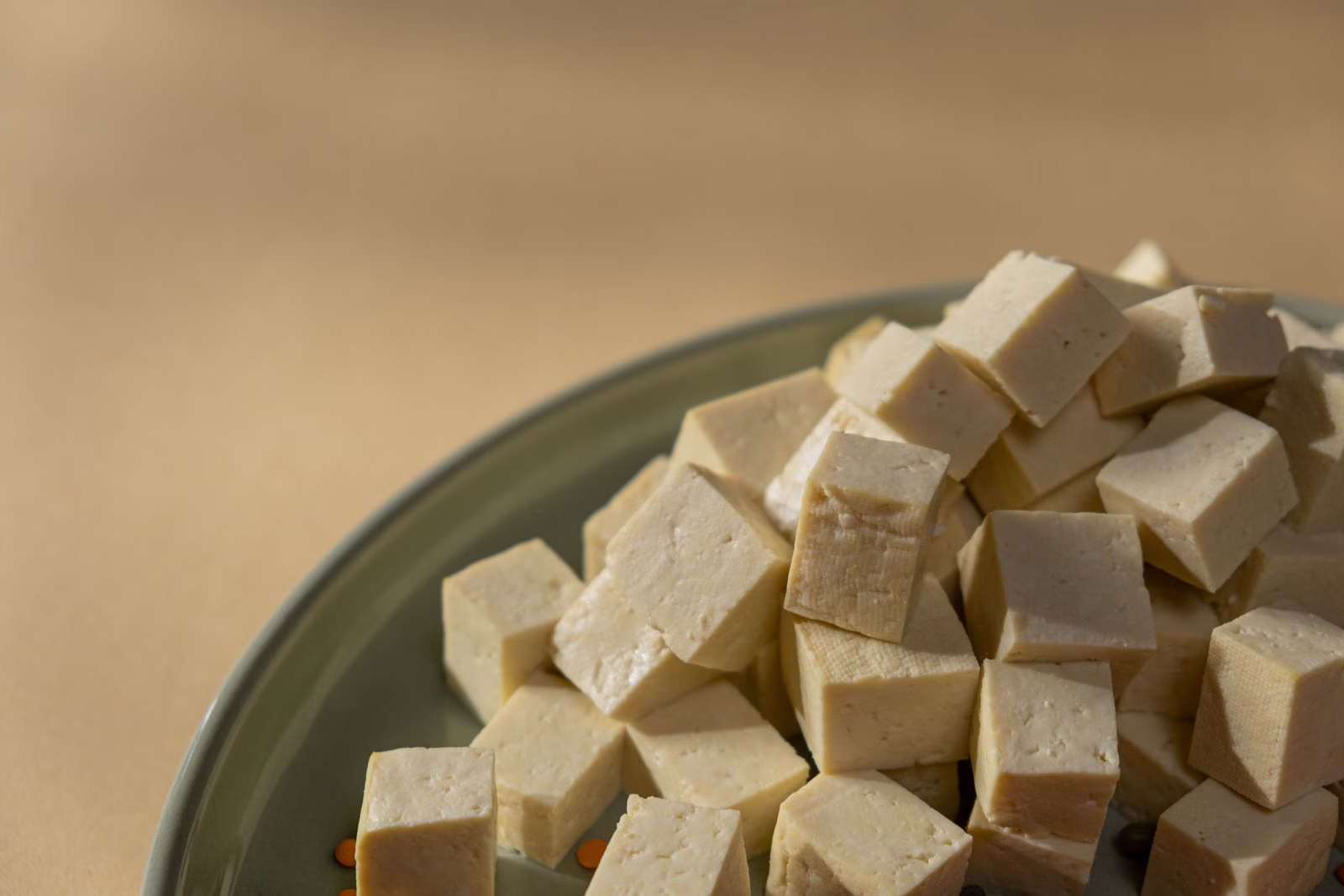
- tofu, tempeh, beans, lentils, chickpeas or edamame for protein,
- nuts, sesame, peanuts and plant oils,
- herbs, mushrooms, seaweed and spices for variety and flavour.
Vitamin B12, iodine, protein, long-chain omega-3 fatty acids, vitamin D, calcium, iron, zinc, selenium and riboflavin deserve particular attention. Vitamin B12 must be supplemented reliably in a fully vegan diet. Children, teenagers, pregnant or breastfeeding people and older adults benefit especially from qualified nutrition advice.
Does vegan food automatically help you lose weight?
No. Body weight depends on more than whether a meal is vegan. Portion size, energy density, drinks, movement and overall eating habits all matter.
A vegetable and tofu dish with rice can be filling and balanced. At the same time, fried tofu, generous coconut milk, lots of oil, sweet chilli sauce or large portions of nuts can add plenty of energy. That does not make them “bad”, but it does mean they are not unlimited.
A simple structure for a balanced main meal is:
- roughly half vegetables,
- roughly one quarter protein, such as tofu, tempeh or beans,
- roughly one quarter rice, noodles, potatoes or whole grains,
- plus a little healthy fat and a flavourful sauce.
This creates a meal that is satisfying, varied and far removed from the idea of deprivation.
Ten trend-friendly vegan dishes for younger food lovers
This is not an official national ranking. It combines current signals from food trend reports, social media and German consumer demand with dishes that are practical to cook at home.
1. Crispy tofu bowl
Crispy tofu, rice, edamame, cucumber, carrot, sesame and a punchy sauce. Bowls are easy to personalise and ideal for meal prep.
Typical ingredients: tofu, jasmine rice, edamame, sesame, soy sauce, rice vinegar, chilli crisp.
2. Vegan bibimbap
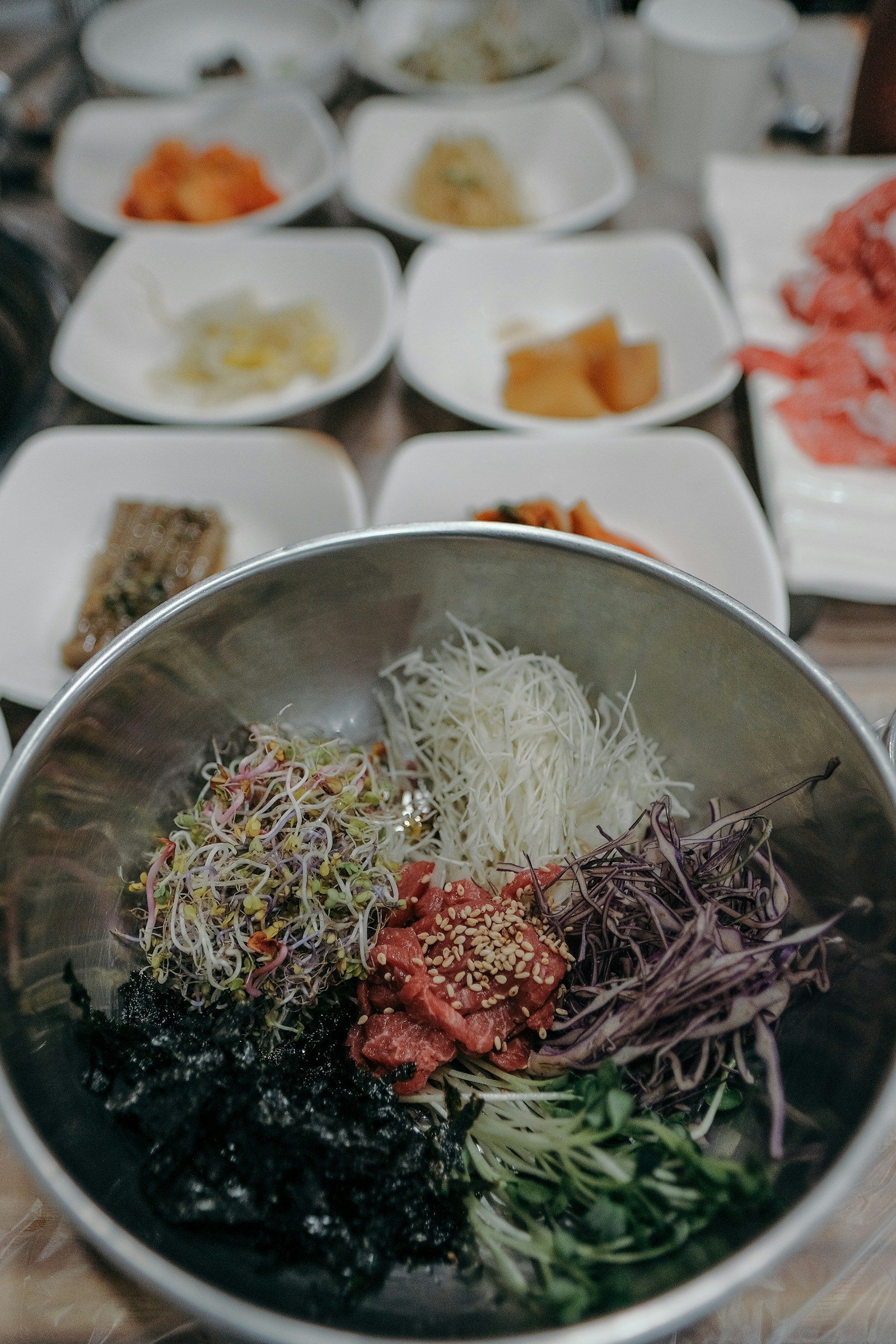
This Korean rice bowl combines colourful vegetables, mushrooms, tofu and gochujang. It looks spectacular while remaining simple at heart.
Typical ingredients: short-grain rice, gochujang, sesame oil, bean sprouts, spinach, mushrooms, tofu.
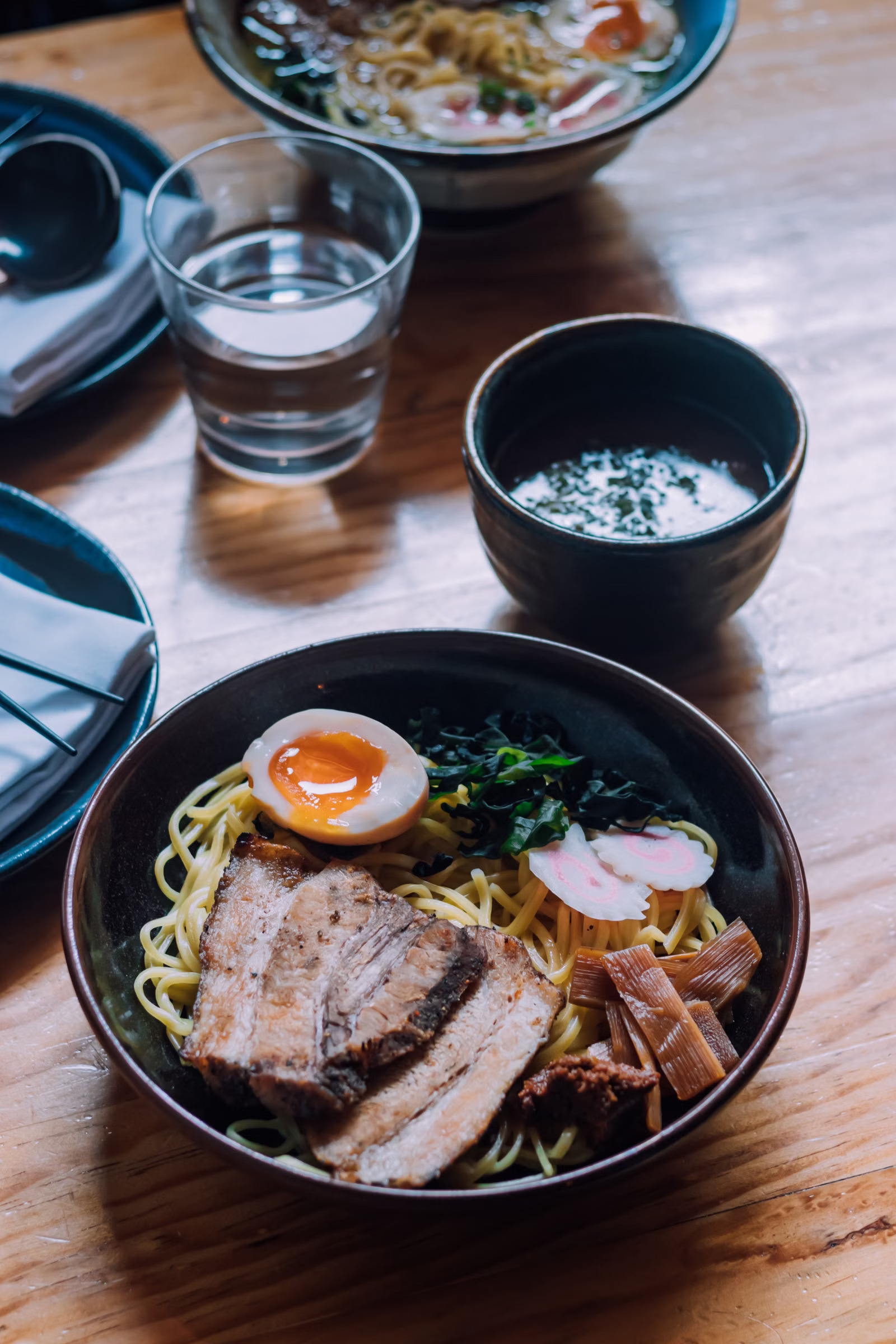
3. Vegan ramen with miso and pak choi
Ramen remains a lasting favourite. Miso, mushrooms, pak choi, spring onions and tofu turn a quick noodle soup into a complete meal.
Typical ingredients: egg-free ramen noodles, miso, nori, shiitake, pak choi, tofu.
4. Kimchi fried rice
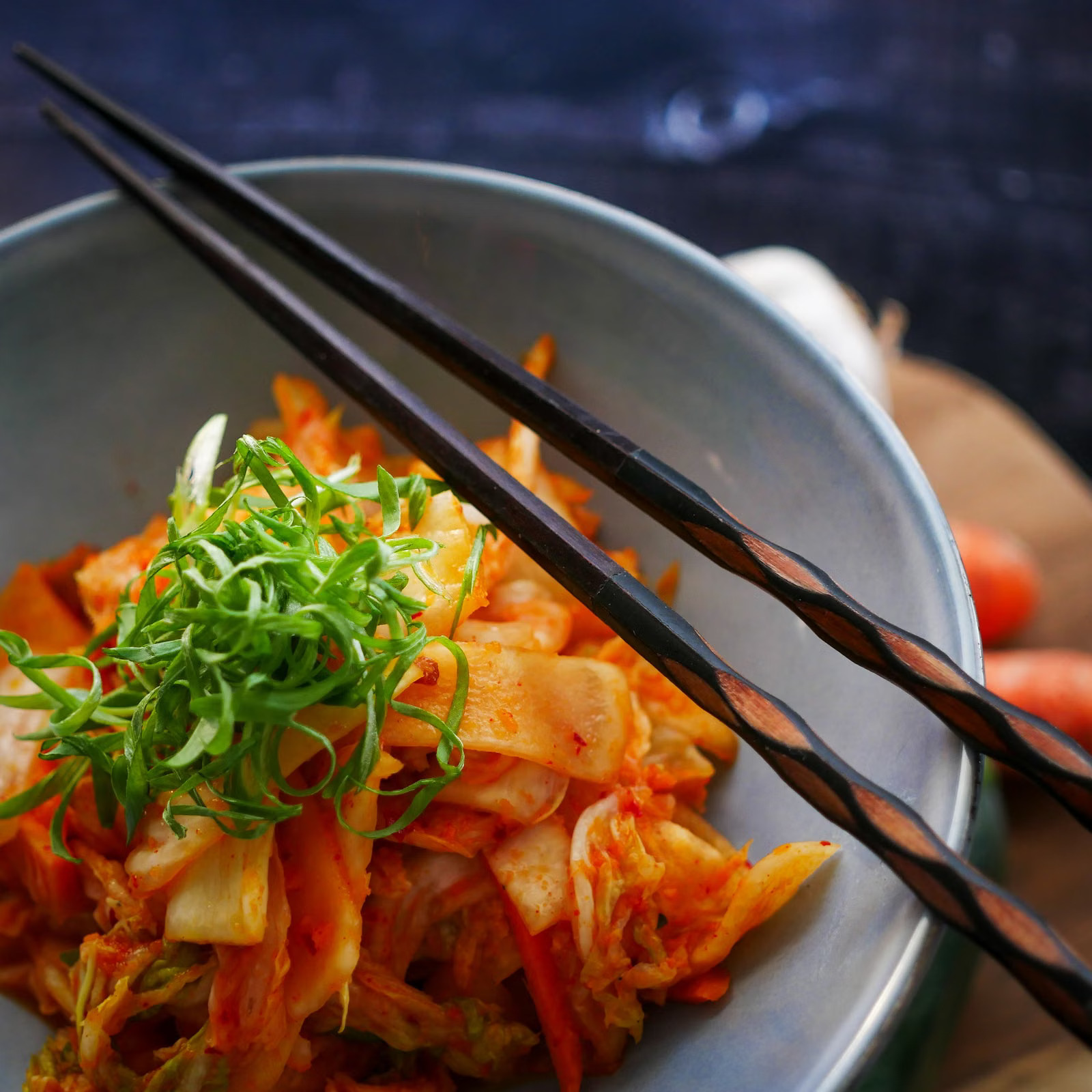
Korean food and kimchi have gained major attention. For a vegan version, choose kimchi made without fish sauce or shrimp paste.
Typical ingredients: cooked rice, vegan kimchi, spring onions, sesame oil, gochujang, tofu.
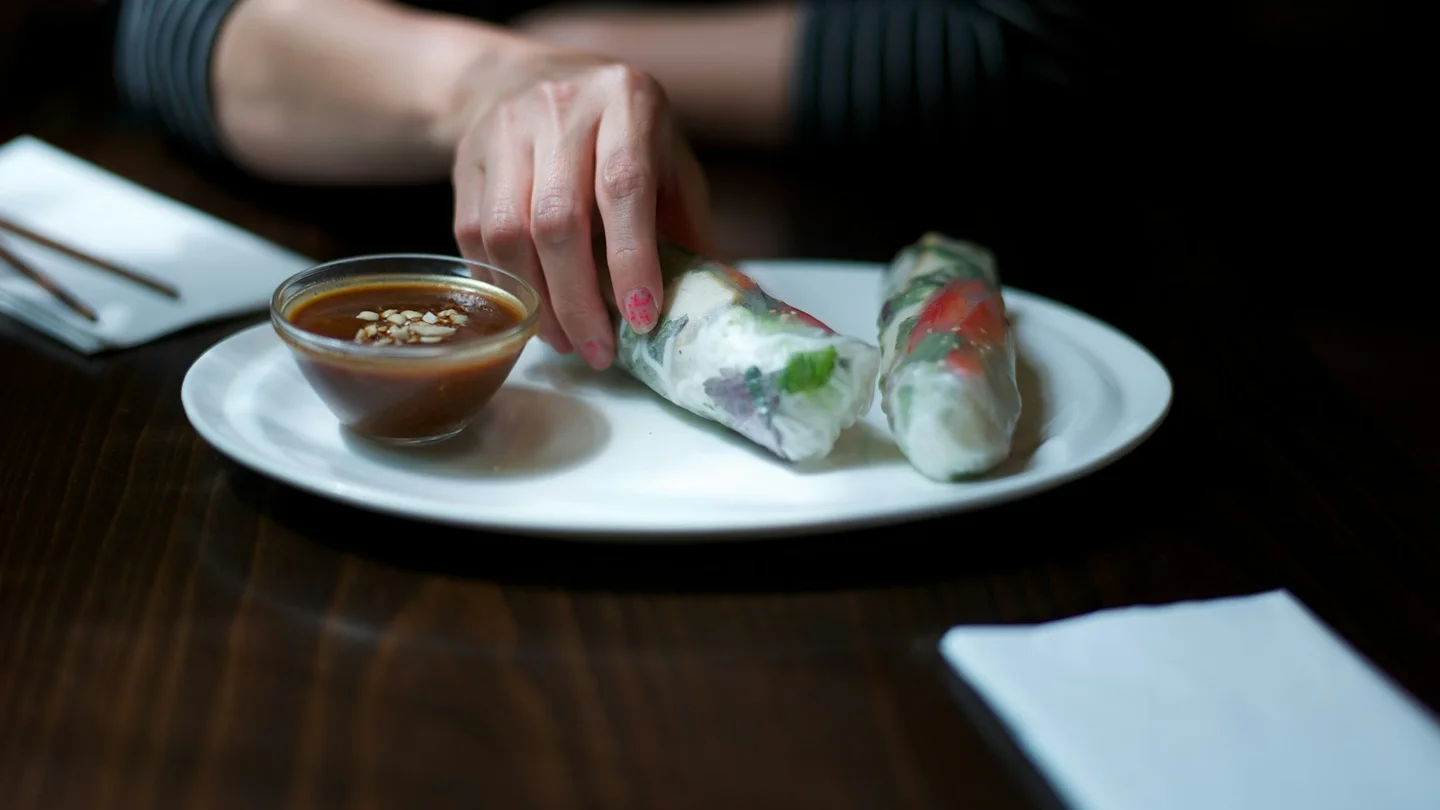
5. Vietnamese summer rolls with tofu
Fresh, light and fun to roll together at the table. Serve with peanut, hoisin or chilli-lime sauce.
Typical ingredients: rice paper, rice noodles, tofu, herbs, lettuce, cucumber, carrot, peanuts.
6. Vegan dumplings or gyoza
Dumplings work as a snack, starter or main dish. Cabbage, mushrooms, tofu and spring onions make a popular plant-based filling.
Typical ingredients: dumpling wrappers, Chinese cabbage, mushrooms, tofu, ginger, soy sauce, sesame oil.
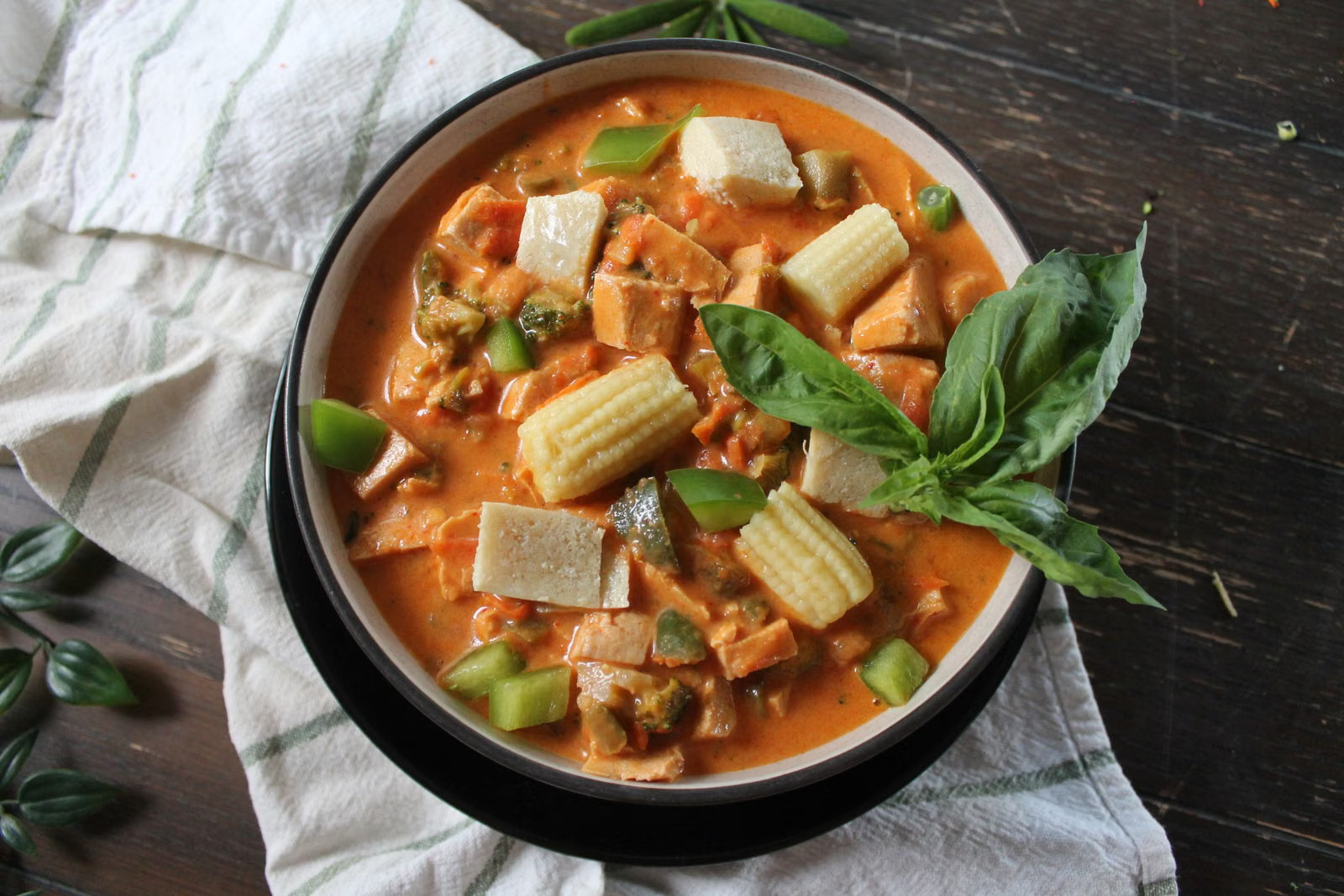
7. Thai coconut curry
A quick comfort meal with vegetables, tofu and creamy coconut milk. Check curry-paste labels because some contain shrimp paste.
Typical ingredients: vegan curry paste, coconut milk, tofu, Thai basil, vegetables, jasmine rice.
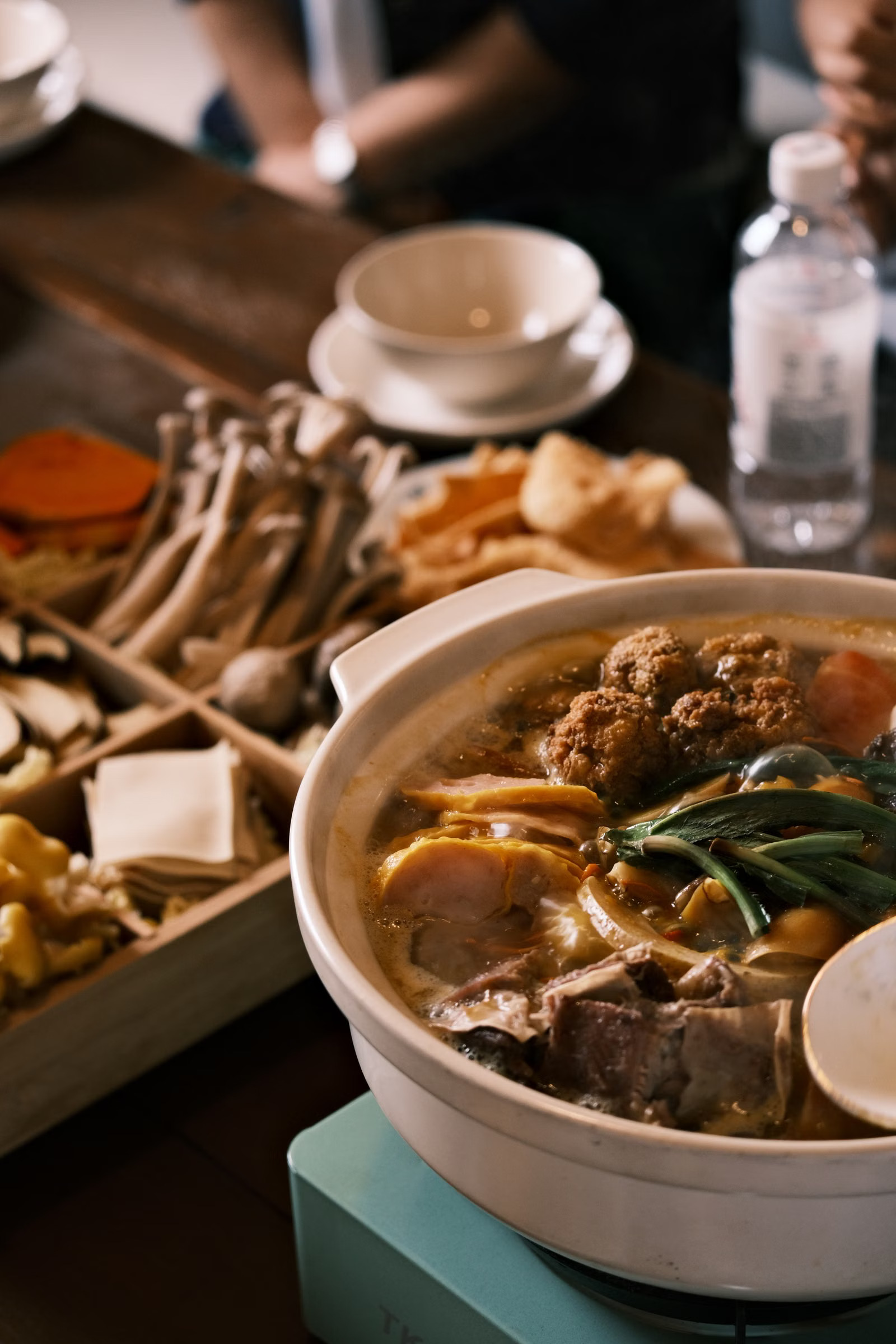
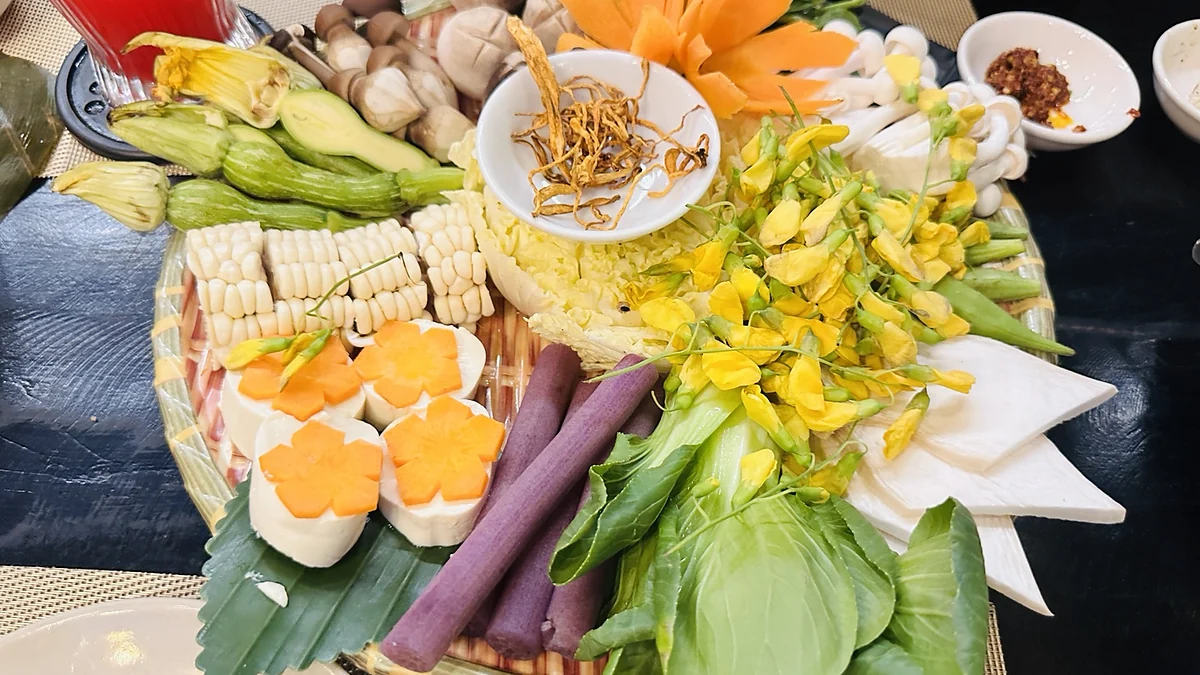
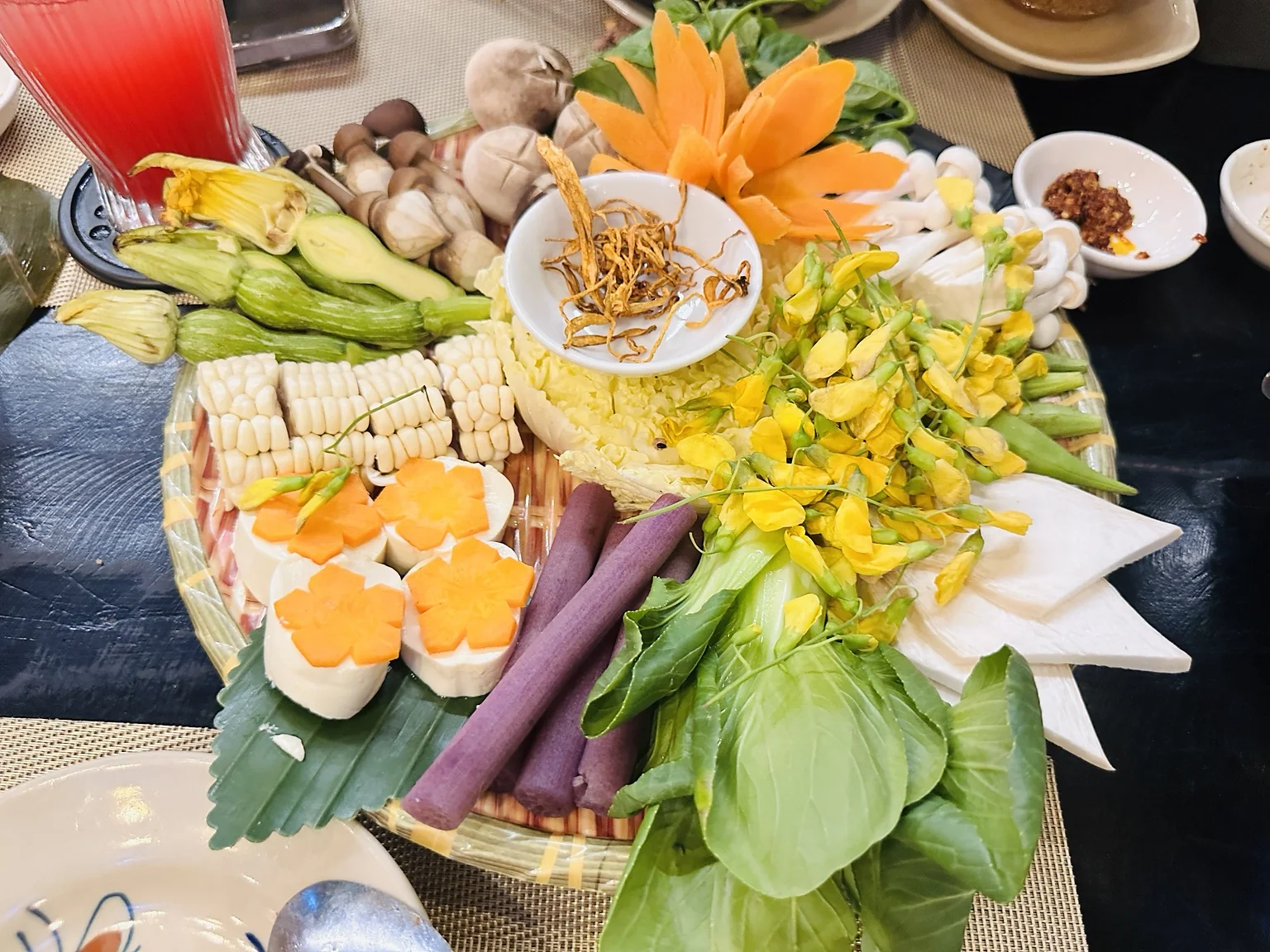
8. Vegan hotpot
Hotpot is both a meal and a social experience. Vegetables, mushrooms, tofu, noodles and sauces sit in the middle of the table, and everyone builds their own bowl.
Typical ingredients: mushrooms, pak choi, tofu, corn, glass noodles, vegetable broth, chilli oil, sesame sauce.
9. Tofu bánh mì
The Vietnamese baguette is filled with marinated tofu, pickled vegetables, cucumber, coriander and chilli. Crisp, fresh and easy to take away.
Typical ingredients: tofu, soy sauce, rice vinegar, carrot, daikon, coriander, chilli.
10. Miso-sesame noodle salad with edamame
A cold noodle salad suits summer, university, office lunches and meal prep. Edamame provides protein while vegetables and sesame add crunch.
Typical ingredients: egg-free soba or wheat noodles, edamame, miso, sesame, cucumber, spring onions.
Which vegan ingredients can you find at an Asian grocery shop?
Asian cuisines have used plant-based staples for centuries. They were not invented merely to imitate meat. Tofu, tempeh, soybeans, mung beans, red beans, lentils, edamame, mushrooms, rice, noodles, coconut milk, sesame, seaweed and fermented pastes are everyday ingredients in many regional cuisines.
Depending on current availability, Asia Markt Thien Tam in Ingolstadt carries many useful basics, including:
- tofu and other soy products,
- dried and canned beans,
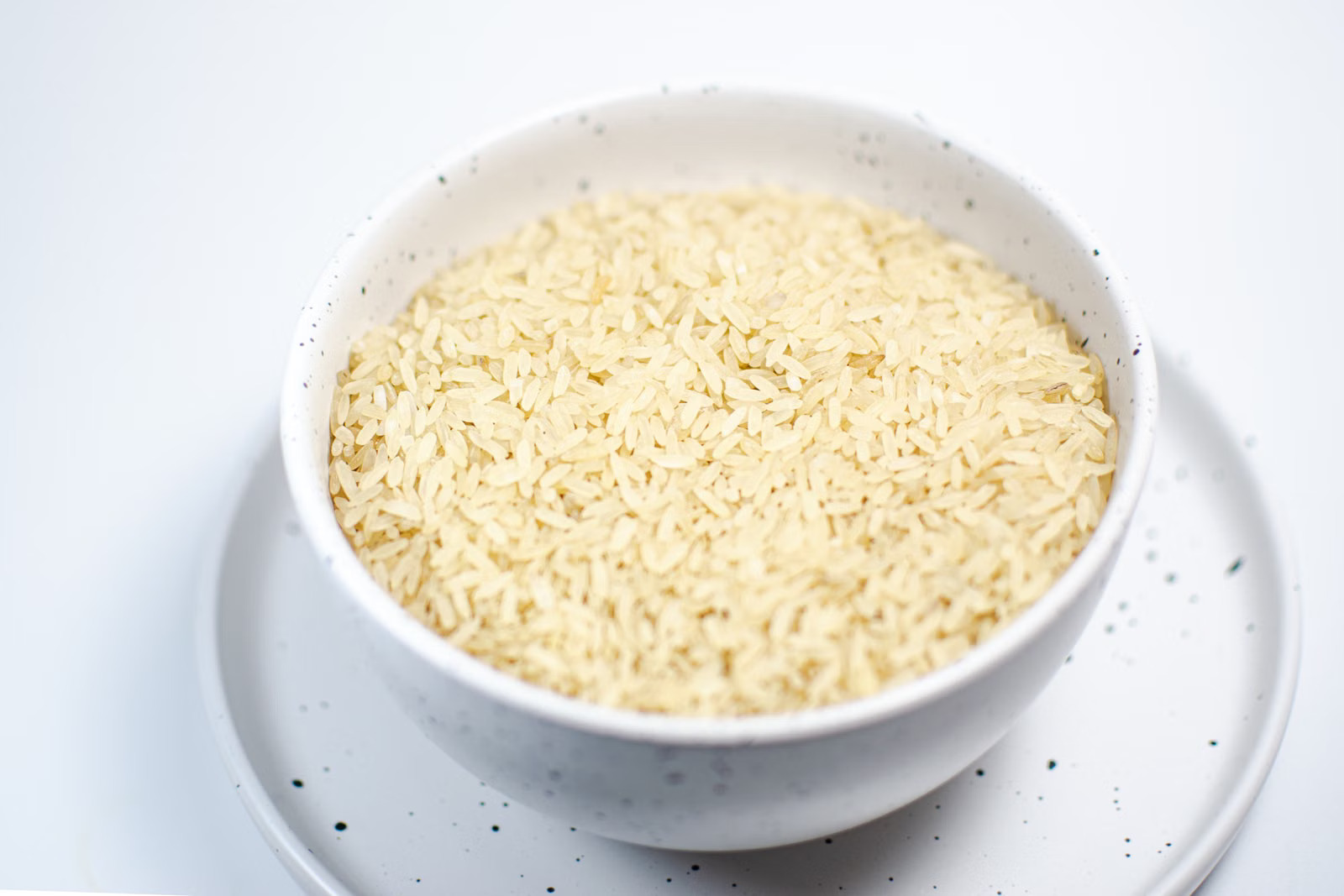
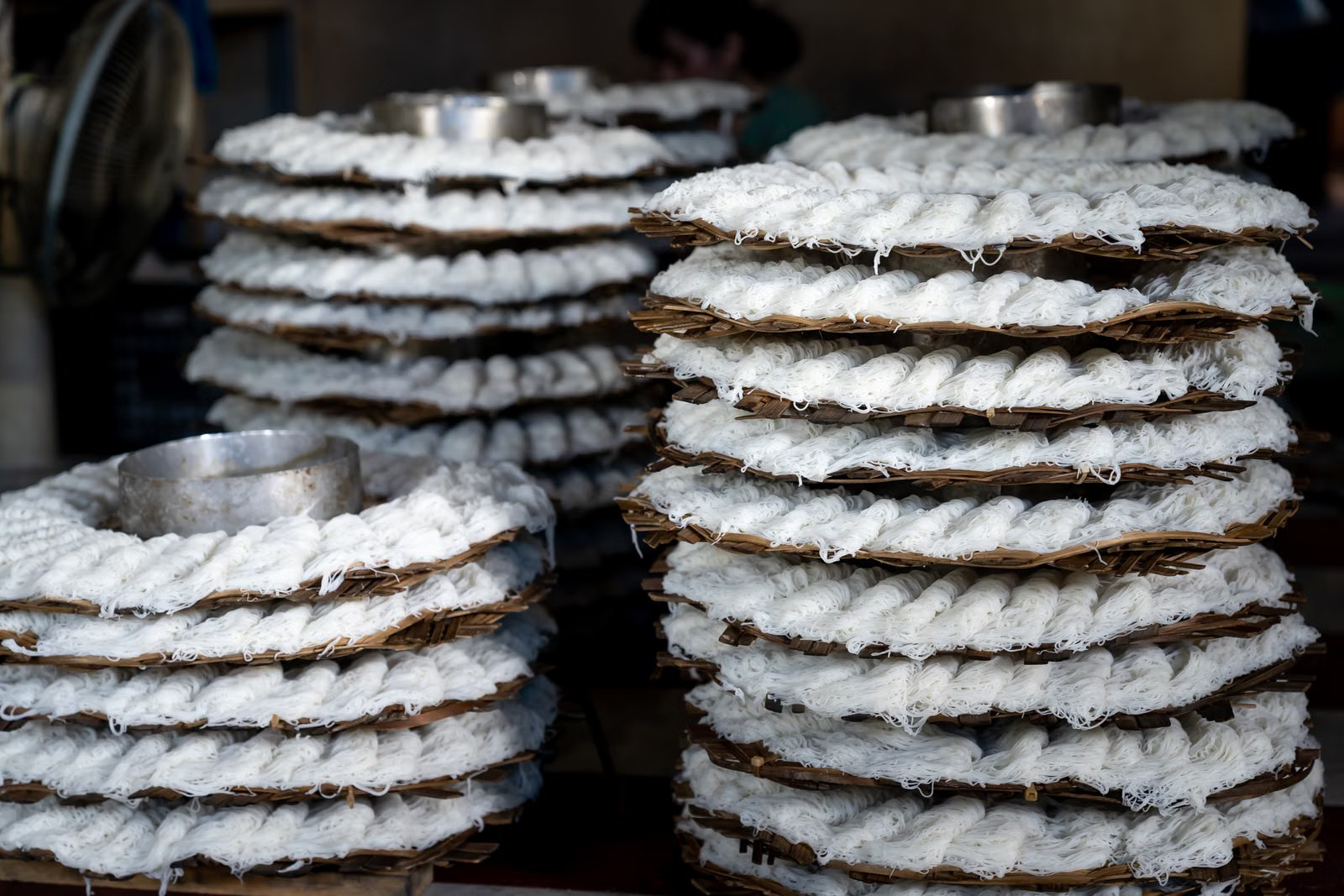
- rice, rice noodles, glass noodles and ramen,
- rice paper and dumpling ingredients,
- coconut milk and curry pastes,
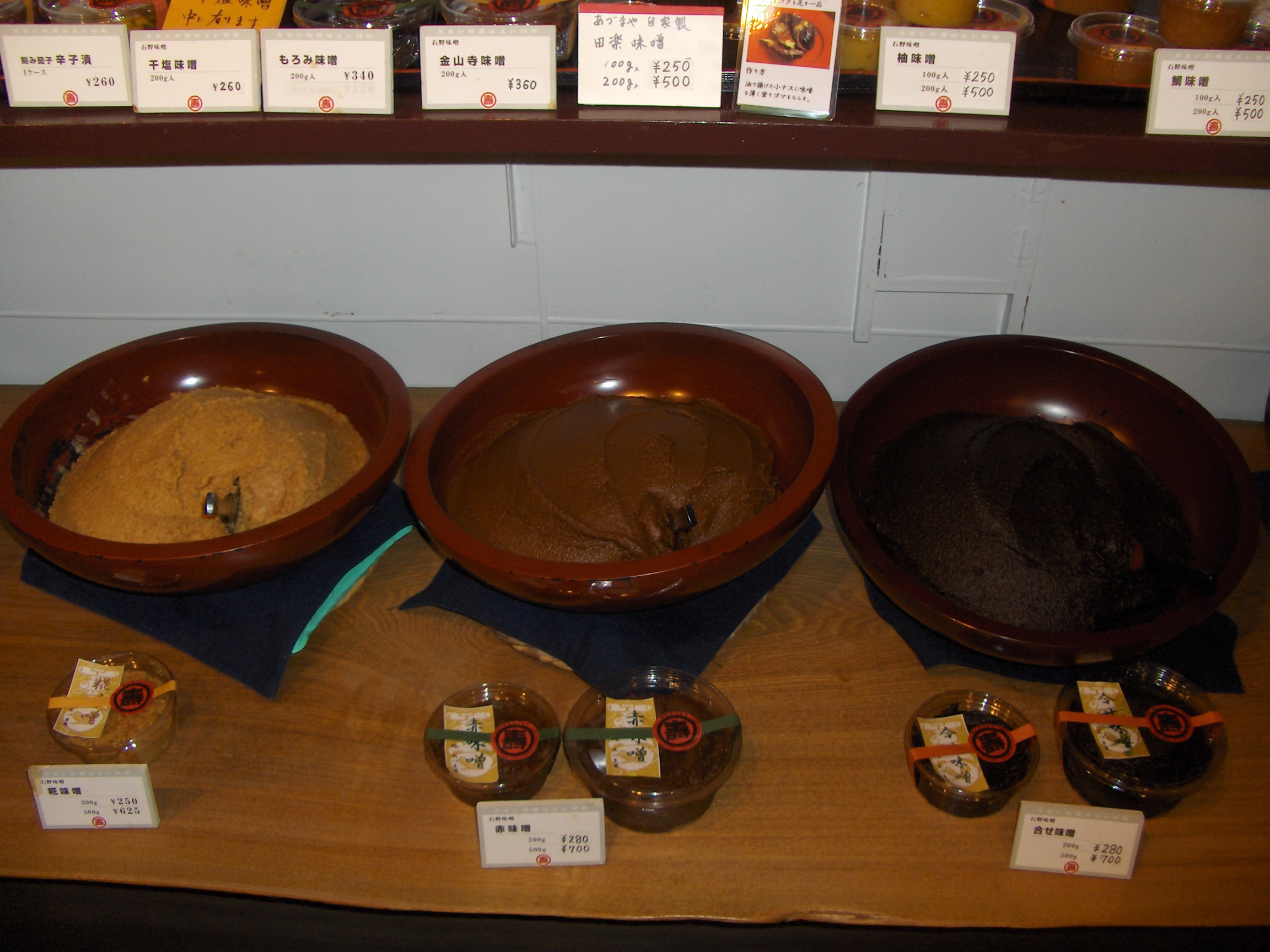
- soy sauce, miso, gochujang and sesame oil,
- dried mushrooms, seaweed and spices,
- frozen edamame and vegetables,
- fresh herbs and Asian vegetables when available.
The exact selection changes, so it is worth asking before travelling or sending a non-binding pickup request.
Important: not every Asian product is automatically vegan
Sauces and convenience foods deserve a careful label check. Common animal-derived ingredients include:
- fish sauce,
- oyster sauce,
- shrimp paste,
- bonito or fish powder,
- egg in noodles or dumpling wrappers,
- milk powder or whey,
- non-vegan kimchi.
When in doubt, the shop team can help you check the ingredient list.
Start vegan without trying to be perfect overnight
You do not have to change every meal at once. A relaxed approach works better for many people:
- Pick one vegan dish you genuinely enjoy.
- Learn two or three dependable protein sources.
- Find one sauce or seasoning paste you love.
- Include vegetables and a filling carbohydrate.
- Supplement vitamin B12 reliably when eating fully vegan.
That turns vegan food from a strict diet into a new collection of delicious possibilities.
Ingredients for your next vegan meal
Whether you are planning a crispy tofu bowl, summer rolls, Thai curry, ramen or hotpot, many of the basic ingredients are available locally at Asia Markt Thien Tam in Ingolstadt, depending on current availability.
Sources and further reading
- German Nutrition Society: updated position on vegan diets (2024)
- German Nutrition Society: vegan nutrition questions and answers, updated 2025
- GFI Europe: plant-based sales data for Germany in 2025
- Lieferando Report 2025: German ordering trends
- Nutrition Hub: plant-based and flexitarian eating as a 2025 nutrition trend
This article provides general information and does not replace individual medical or nutritional advice. Seek qualified advice for medical conditions, pregnancy, feeding children or a diagnosed nutrient deficiency.