
At a glance
Asian summer desserts are built on contrasts: chilled coconut milk with juicy fruit, soft sago with crisp coconut jelly, and sweet spreads balanced by a pinch of salt. Many specialist ingredients are canned, jarred, dried or frozen, so you can make something memorable even when fresh mango, lychee or longan is out of season.
| You want … | Try |
|---|---|
| something very easy | Mango sago or a kaya coconut ice-cream sandwich |
| a classic dessert | Mango sticky rice |
| something light and clear | Lychee lotus dessert or longan lotus soup |
| lots of textures | Buko pandan |
| a dessert for guests | Build-your-own halo-halo |
| a vegan-friendly option | Mango sago, longan lotus soup or buko pandan with coconut condensed milk |
Why Asian grocery ingredients work so well in summer desserts
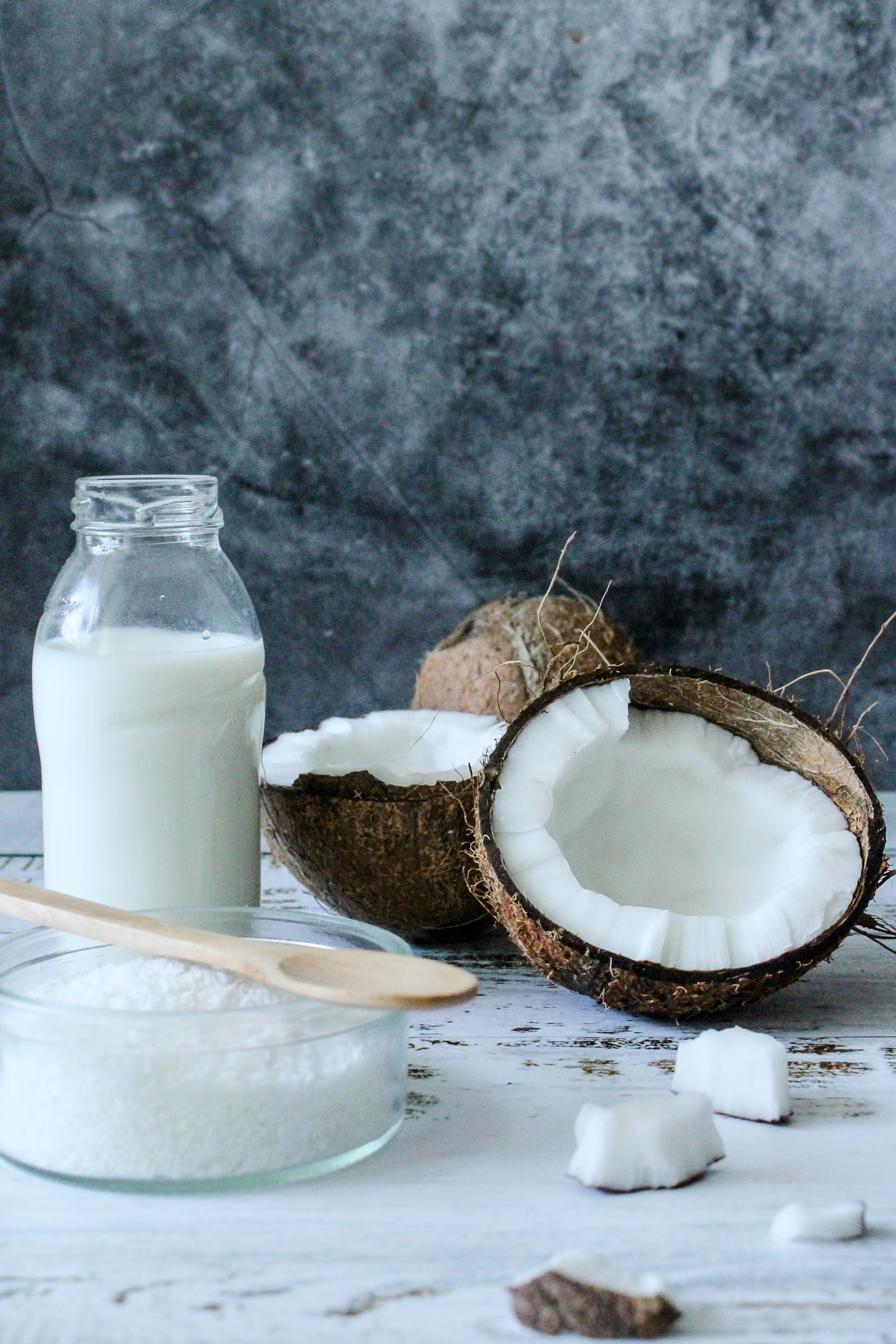
Coconut milk gives richness without needing a baked custard
Coconut milk pairs naturally with mango, lychee, longan, pandan and ube. A small pinch of salt matters: it makes the fruit taste sweeter and rounds out the coconut flavour.
Full-fat coconut milk is generally more useful for dessert than a thin coconut drink. Coconut cream is richer again and suits small portions, ice cream and thick dessert mixtures.
Canned and jarred fruit is genuinely useful
Lychee, longan and jackfruit in syrup are already peeled and prepared. Drain them well and use the syrup cautiously so that you control the final sweetness.
Fresh fruit gives more fragrance and bite. Canned fruit gives consistency and year-round availability. Both have a place.
Sago, sticky rice and nata de coco create texture
A refreshing dessert does not have to be entirely smooth:
- small tapioca or sago pearls become soft and slightly springy;
- sticky rice makes a dessert more substantial and pleasantly chewy;
- nata de coco stays crisp in a creamy base;
- agar jelly provides cool, clean cubes in buko pandan and halo-halo.
Ube and kaya are flavour-packed shortcuts
Ube halaya is a sweet purple-yam paste. It brings colour, mild nutty-vanilla flavour and creaminess to halo-halo.
Kaya is a Southeast Asian coconut-and-egg spread, often flavoured with pandan. It is classic on toast and becomes a quick summer dessert when paired with coconut ice cream. Traditional kaya contains egg, so check the label when serving people with allergies or following a vegan diet.
Editorial note: The recipes were editorially adapted for ingredients and pack sizes commonly found in Germany. Traditional versions vary by family, region and shop.
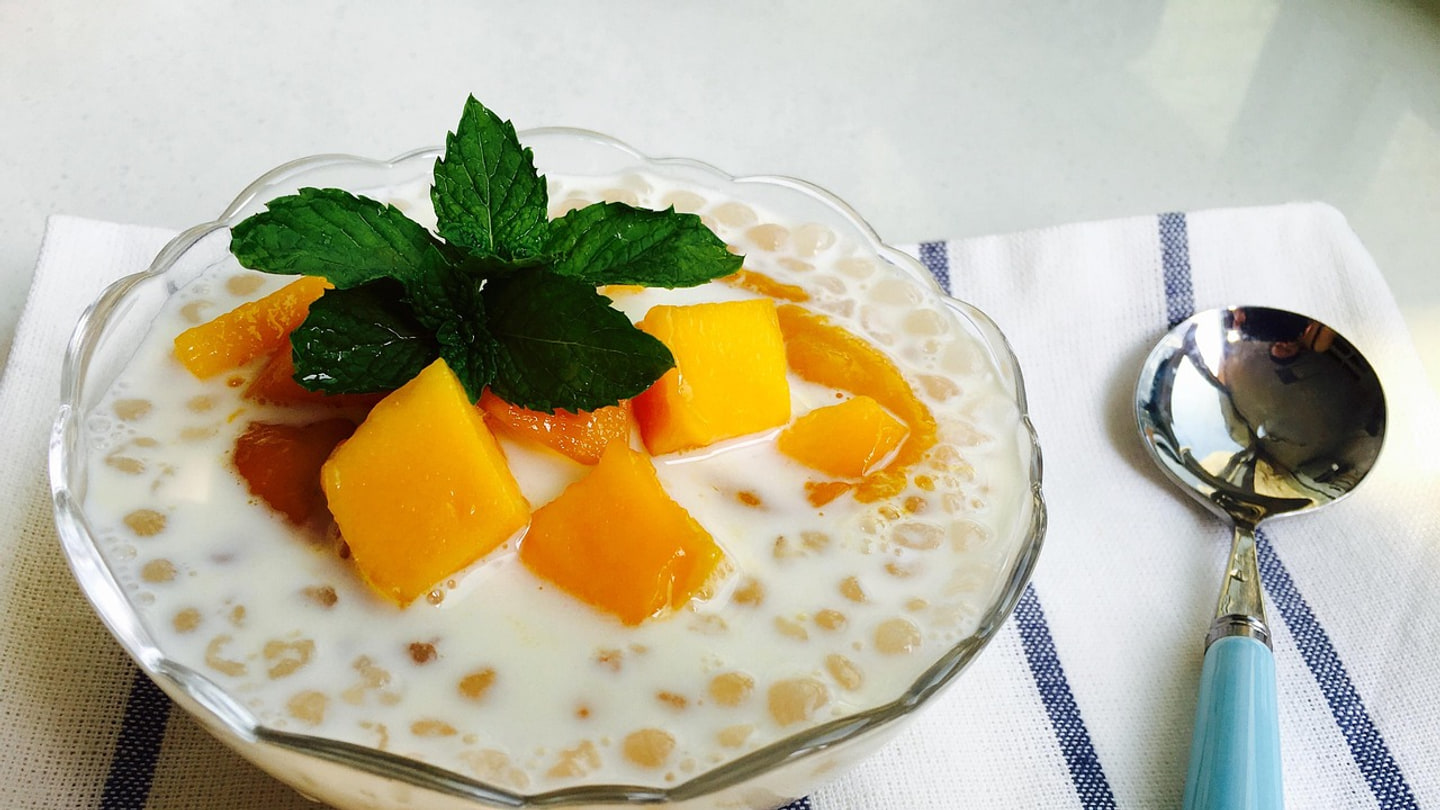
1. Mango sago with coconut milk
Origin: Hong Kong/Cantonese-inspired
Time: 35 minutes plus chilling
Serves: 4
Difficulty: easy
Ingredients
- 60 g small sago or tapioca pearls
- 2 ripe mangoes, about 400 g flesh
- 250 ml coconut milk
- 80–100 ml cold water, milk or plant drink
- 30–40 g sugar or 2–3 tbsp sweetened condensed milk
- a small pinch of salt
- optional: pomelo, lychee or lime zest
Method
- Cook the pearls in plenty of boiling water according to the packet, stirring regularly.
- When almost fully translucent, drain and rinse under cold water.
- Blend two-thirds of the mango with coconut milk, water, sweetener and salt.
- Fold in the pearls and remaining mango. Chill for at least one hour.
- Stir before serving. Add a splash of coconut milk or water if it has thickened too much.
Use small white pearls rather than large black boba.
Full recipe: Mango sago with coconut milk
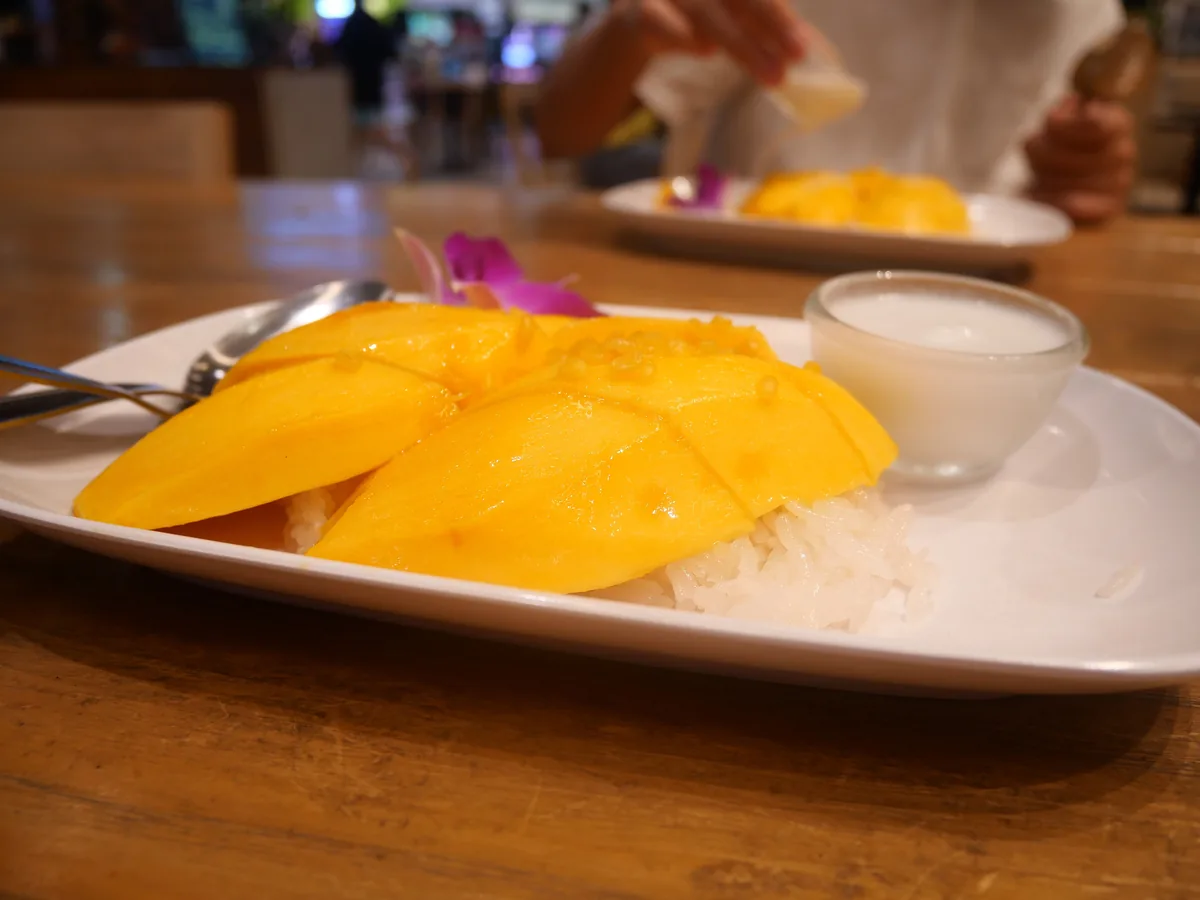
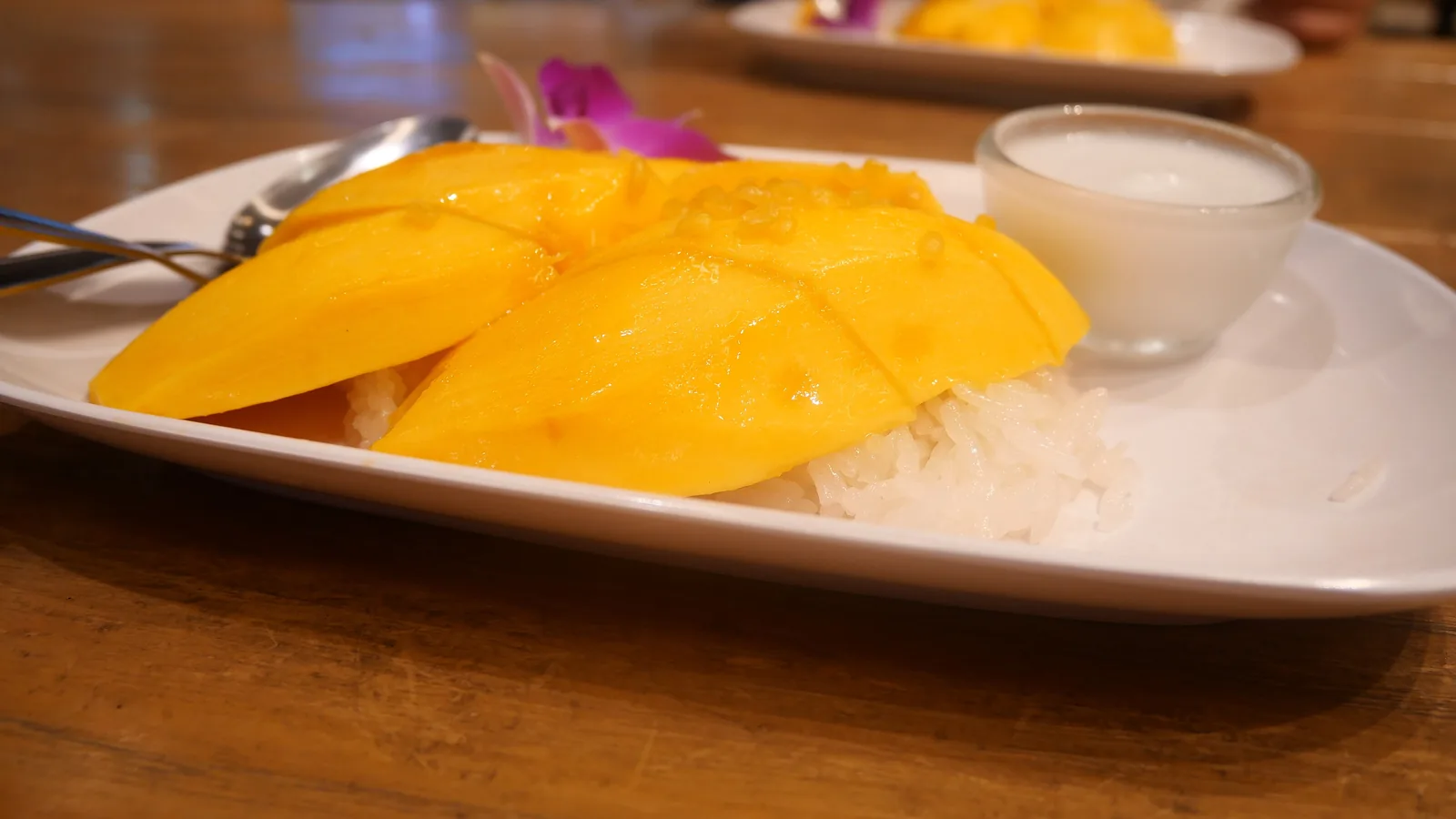
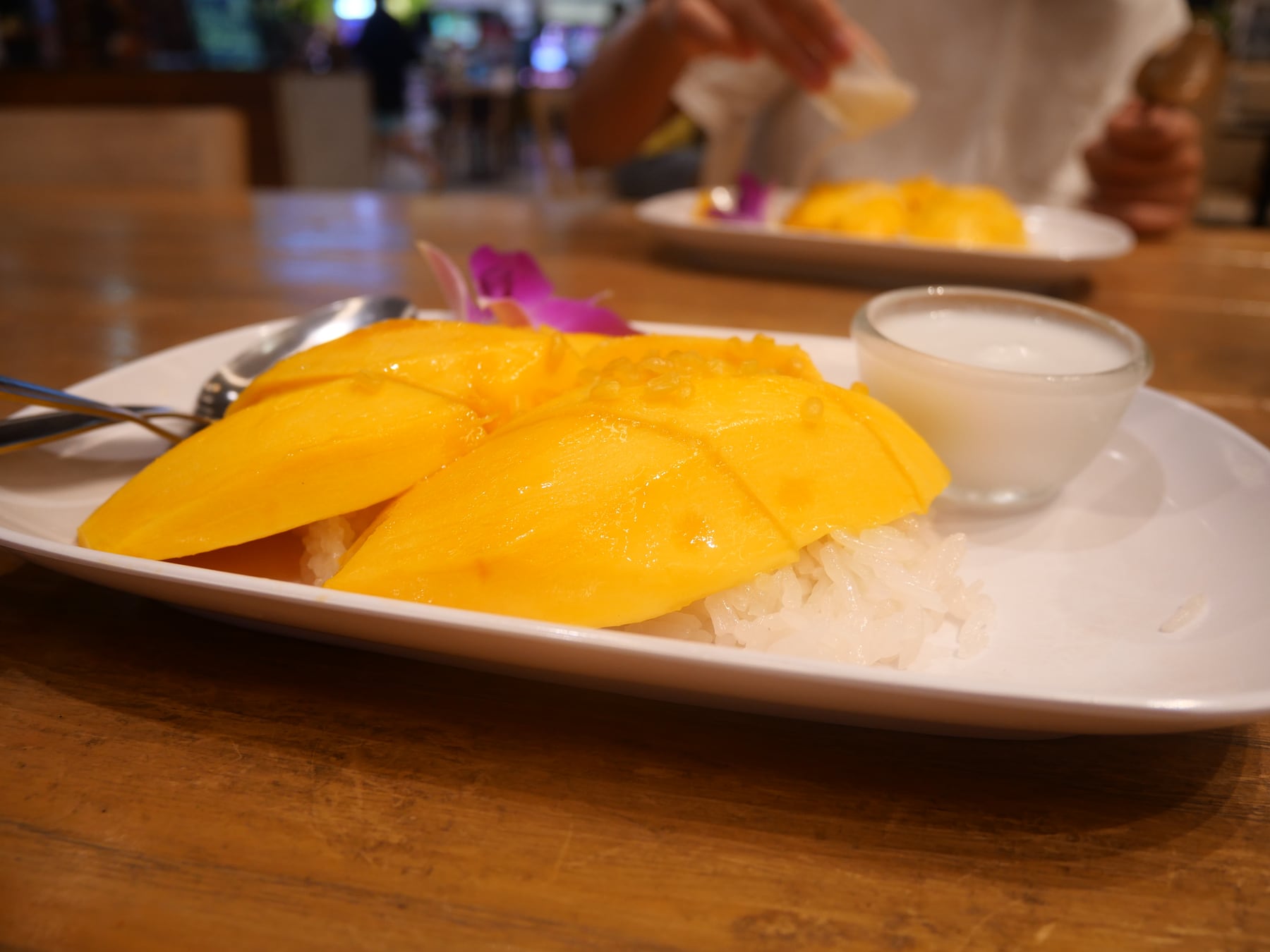
2. Mango sticky rice
Origin: Thailand
Time: 55 minutes plus soaking
Serves: 4
Difficulty: easy, but requires planning
Ingredients
- 250 g Thai glutinous rice
- 250 ml coconut milk
- 80 g sugar
- 1/2 tsp salt
- 1 tsp cornflour
- 2 ripe mangoes
- optional: toasted mung beans or sesame
Method
- Soak the rice for at least four hours, preferably overnight.
- Drain and steam for 25–30 minutes until tender and glossy.
- Warm 200 ml coconut milk with 70 g sugar and 1/4 tsp salt.
- Mix with the hot rice, cover and rest for 20 minutes.
- Warm the remaining coconut milk with the remaining sugar and salt. Thicken lightly with cornflour mixed with water.
- Serve the rice with sliced mango, coconut sauce and optional sesame or mung beans.
Jasmine rice is not a substitute for glutinous rice.
Full recipe: Mango sticky rice
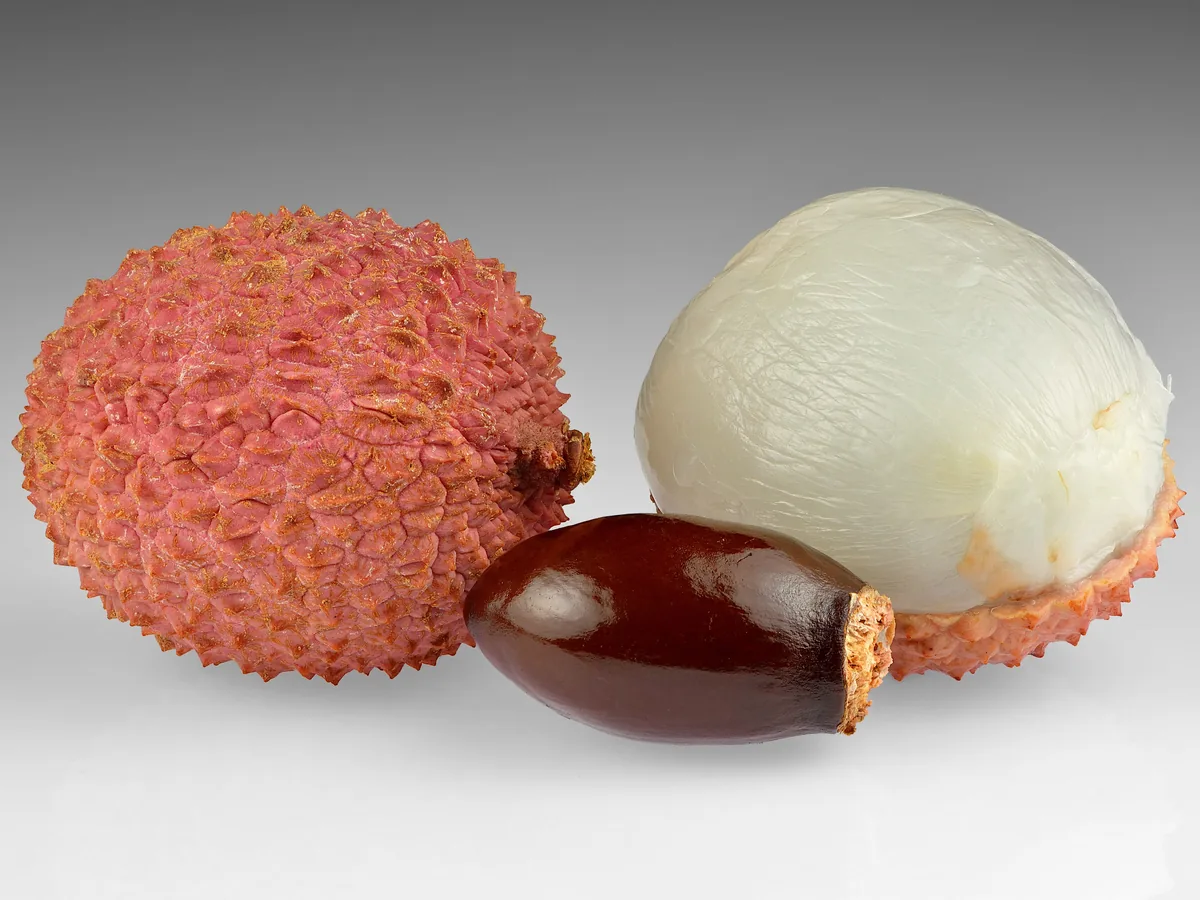
3. Chilled lychee and lotus-seed dessert
Origin: Vietnamese-inspired, chè vải hạt sen
Time: about 50 minutes plus soaking and chilling
Serves: 4
Difficulty: easy
Ingredients
- 100 g dried lotus seeds
- 200 g canned or jarred lychees, drained
- 500 ml water
- 40–60 g rock or palm sugar
- 1 pandan leaf, optional
- a small pinch of salt
- optional: 1 tsp jasmine water
Method
- Soak lotus seeds for four hours or overnight. Remove any green germ, which can be bitter.
- Simmer in fresh water for 25–40 minutes until tender but intact.
- Add water, sugar, salt and pandan and simmer for five more minutes.
- Cool. Place a lotus seed inside each lychee when the opening allows.
- Add everything to the syrup and chill for at least two hours. Add jasmine water sparingly after cooling.
Start with less sugar when using fruit packed in syrup.
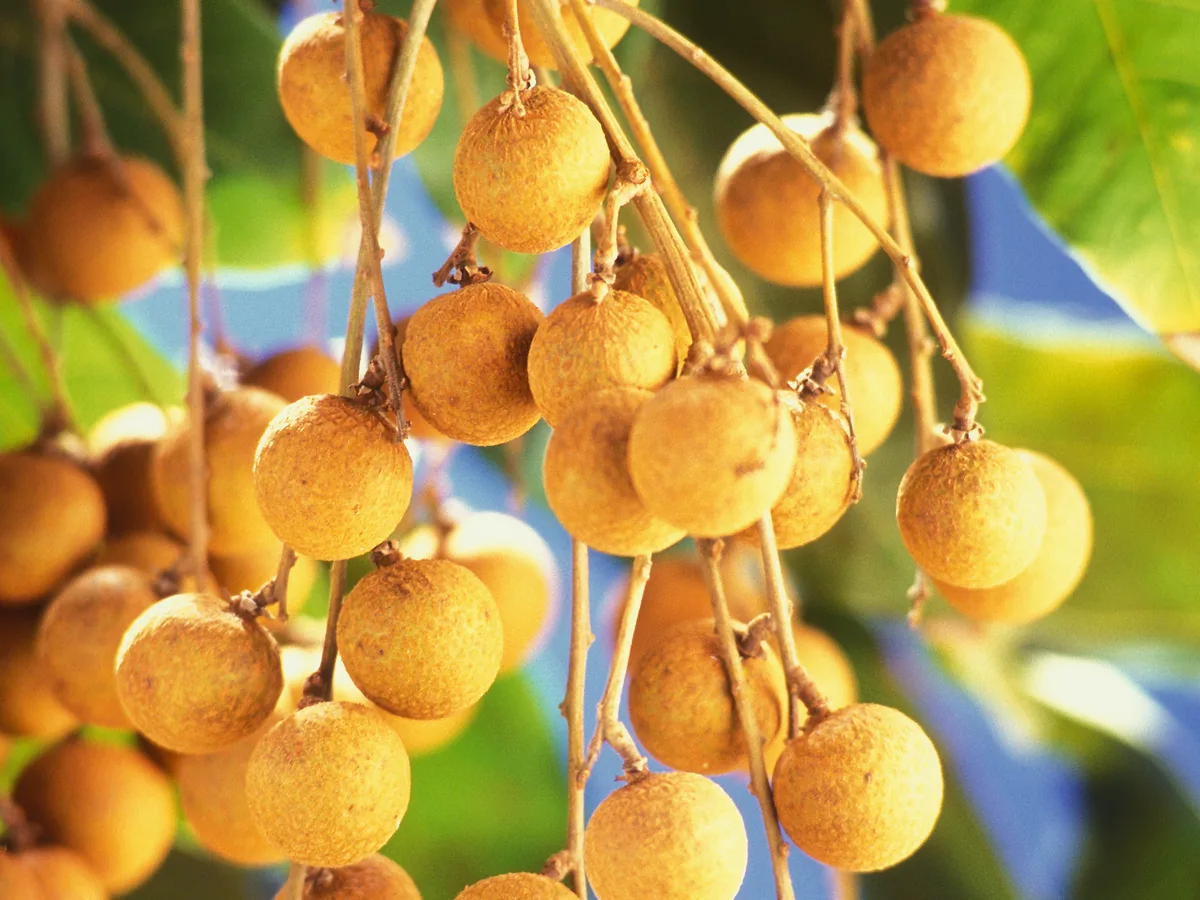
4. Chilled longan and lotus-seed sweet soup
Origin: Vietnam, chè hạt sen long nhãn
Time: about 45 minutes plus soaking and chilling
Serves: 4
Difficulty: easy
Ingredients
- 80 g dried lotus seeds
- 60 g dried longan or about 250 g canned longan, drained
- 750 ml water
- 40–50 g rock sugar
- 1–2 pandan leaves, optional
- a small pinch of salt
Method
- Soak the lotus seeds and remove any bitter green germ.
- Simmer for 25–40 minutes until tender.
- For dried longan, add it with sugar, salt and pandan and simmer for ten minutes.
- For canned longan, simmer the sugar and pandan for five minutes, remove from the heat and add the drained fruit.
- Cool completely and chill for at least two hours.
Do not simmer canned longan for long; it loses its shape.
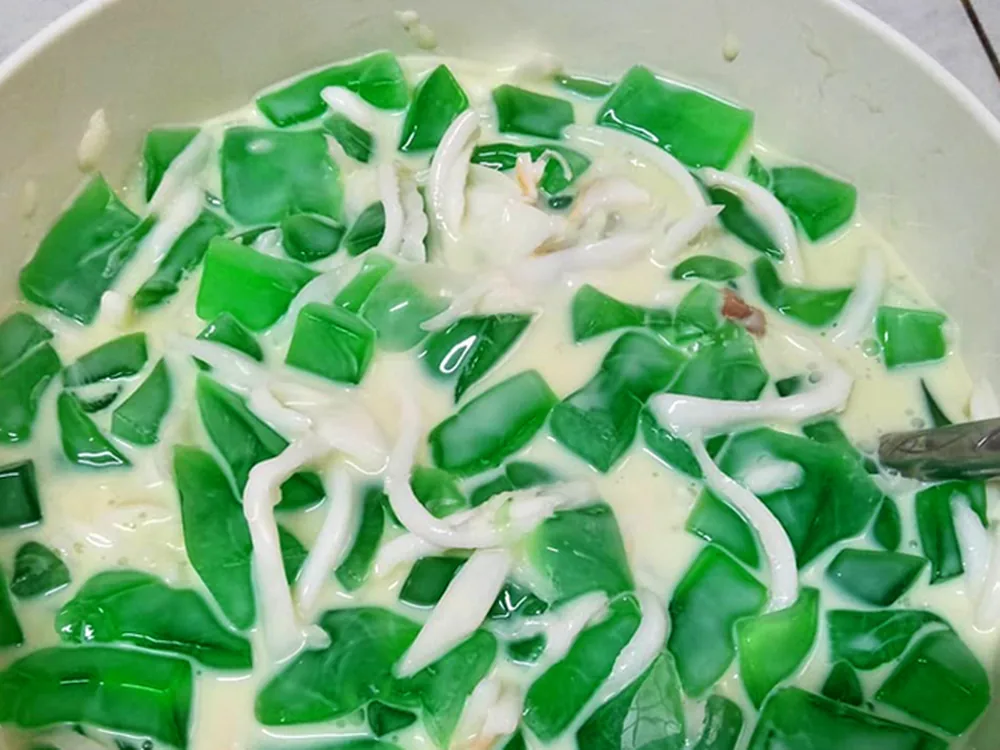
5. Buko pandan
Origin: Philippines
Time: 25 minutes plus chilling
Serves: 6 small portions
Difficulty: easy
Ingredients
- 8–10 g agar powder
- 500 ml water or coconut water
- 1 tsp pandan extract or 2 pandan leaves
- optional: a little green food colouring
- 200 g young coconut strips, drained
- 150 g nata de coco, drained
- 200 ml coconut cream
- 120–150 ml sweetened condensed milk or coconut condensed milk
- a small pinch of salt
Method
- Boil agar with water according to the packet. Add pandan and optional colouring.
- Pour into a shallow dish, set and cut into small cubes.
- Mix coconut cream, condensed milk and salt.
- Fold in the jelly, young coconut and nata de coco.
- Chill for at least two hours.
Use coconut condensed milk for a plant-based version.
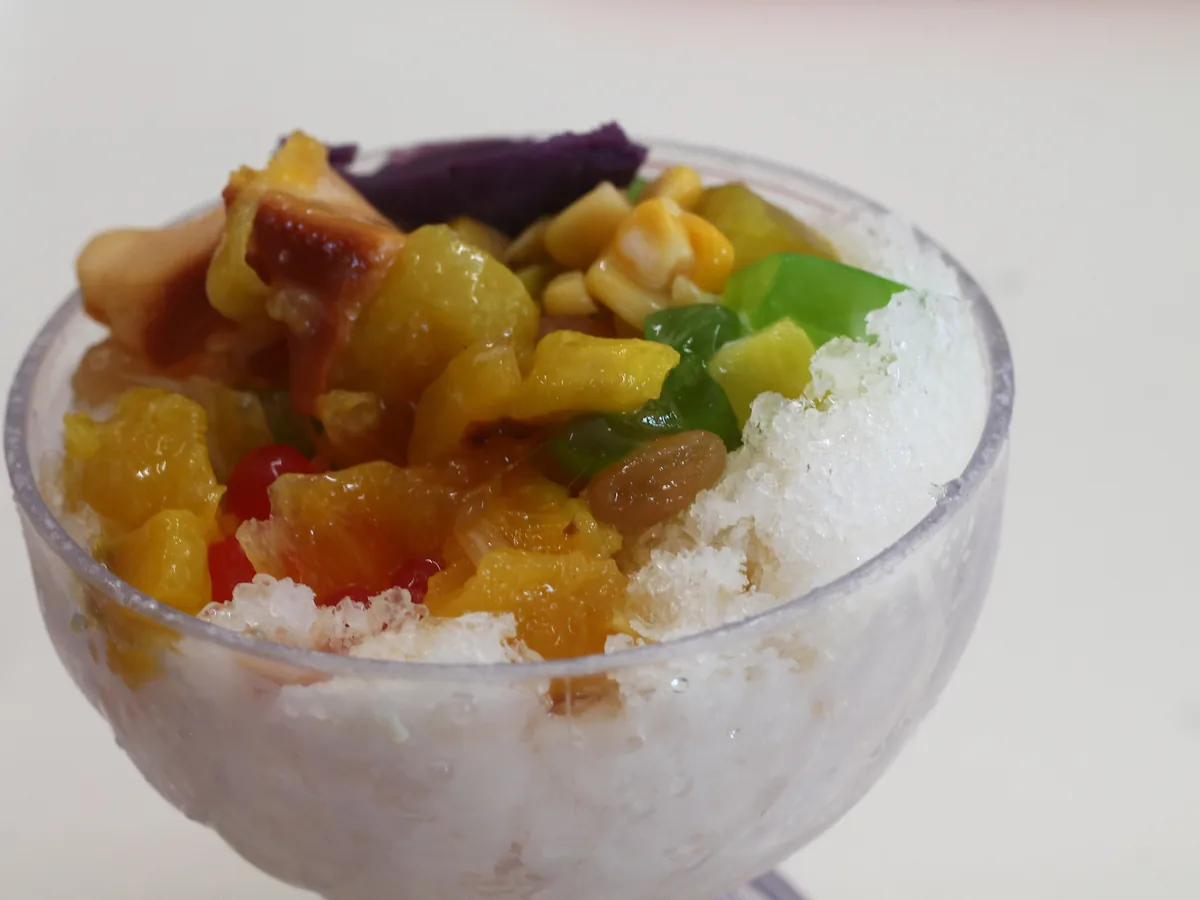
6. Build-your-own halo-halo
Origin: Philippines
Time: 20 minutes
Serves: 4
Difficulty: easy
Ingredients
- 500–600 g finely crushed or shaved ice
- 100 g nata de coco
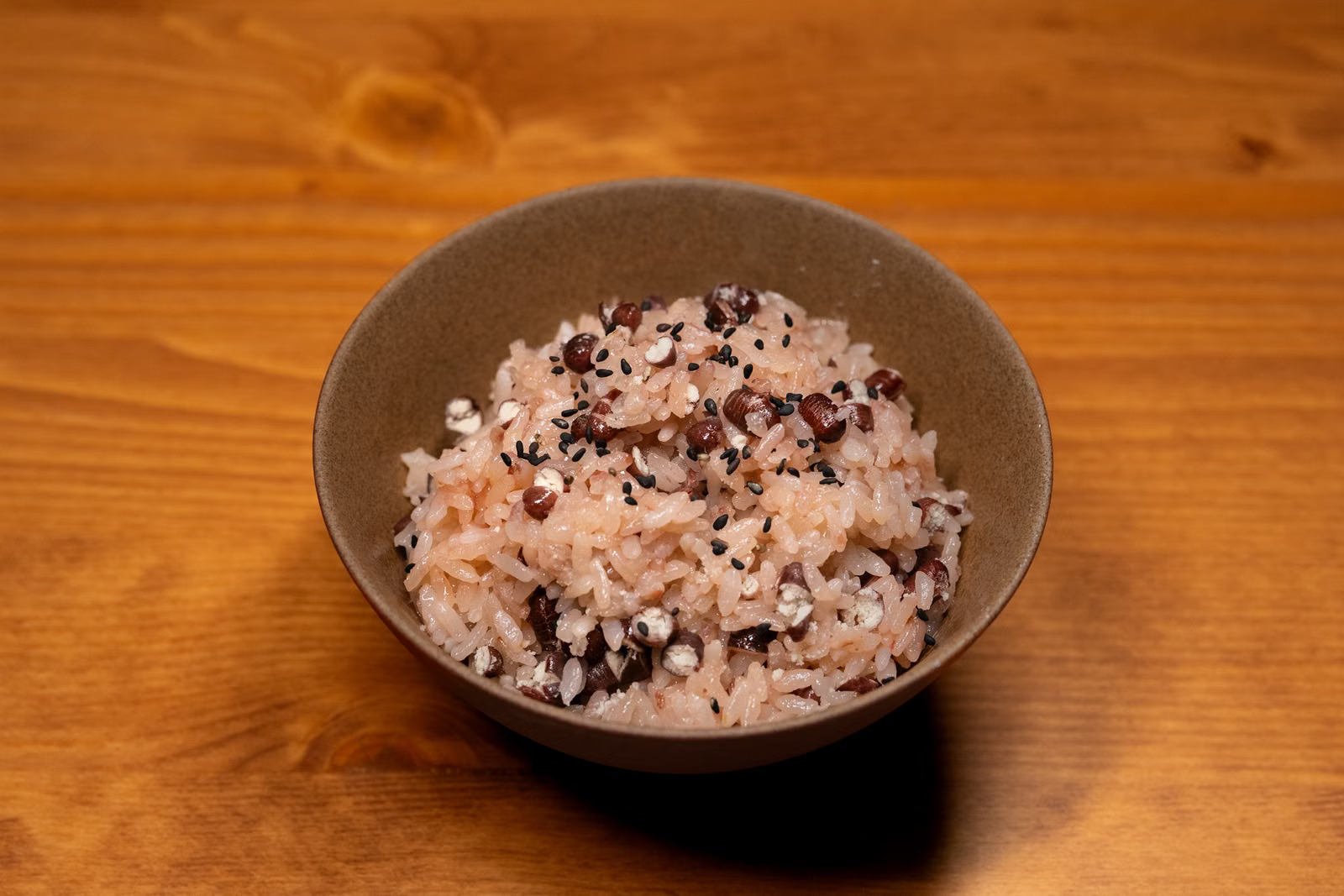
- 100 g sweetened red beans or mung beans
- 100 g jackfruit in syrup, sliced
- 100 g macapuno or young coconut
- 100 g kaong or extra coconut jelly, optional
- 4 tbsp ube halaya
- 300 ml evaporated milk, condensed-milk mixture or coconut milk
- optional: 4 small scoops ube or coconut ice cream
Method
- Spoon 1–2 tbsp of each chosen addition into four tall glasses.
- Fill with crushed ice.
- Pour over the milk.
- Top with ube halaya and optional ice cream.
- Mix thoroughly with a long spoon and eat immediately.
You do not need every traditional addition. Three to five toppings, ice, milk and ube already make an enjoyable halo-halo.
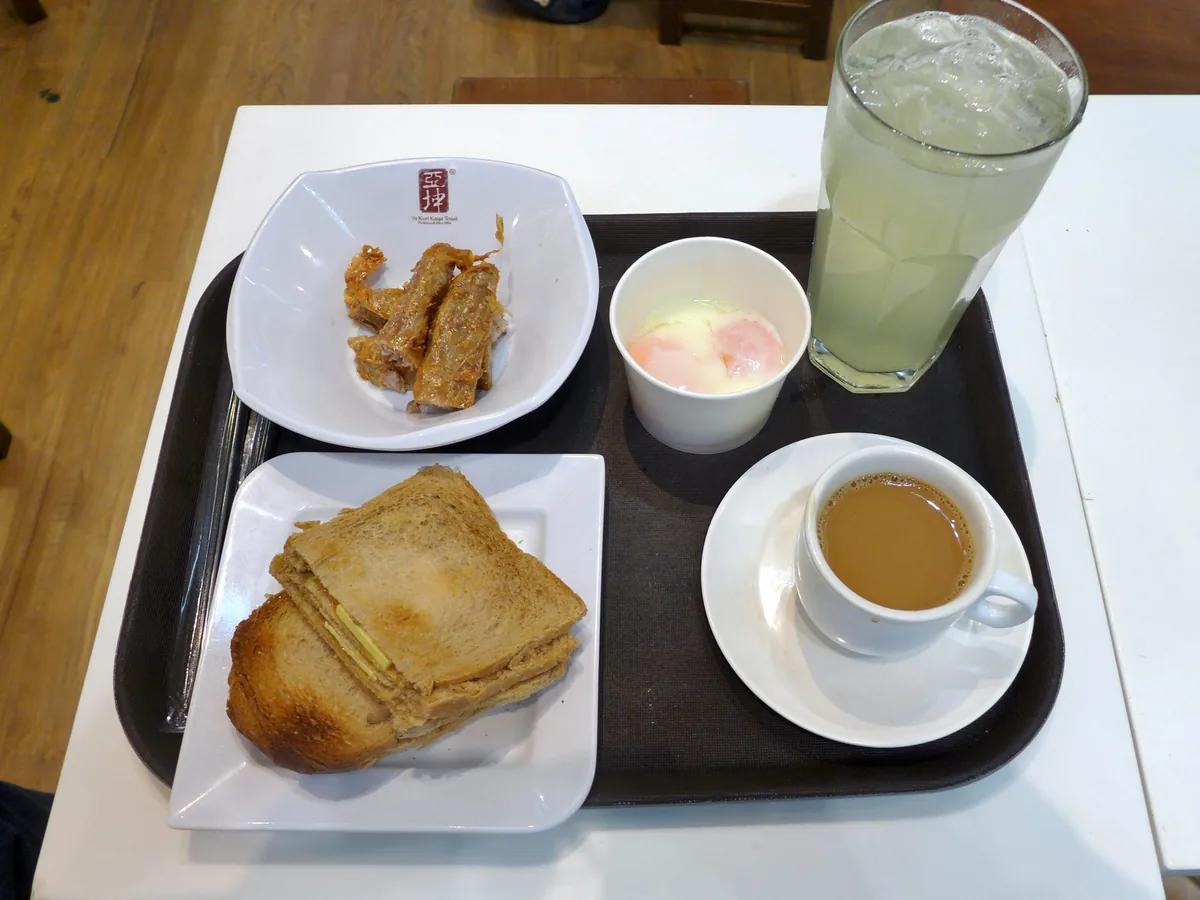
7. Kaya coconut ice-cream sandwich
Style: a quick modern idea using Southeast Asian kaya
Time: 10 minutes
Serves: 4
Difficulty: very easy
Ingredients
- 8 small slices milk bread, brioche or soft toast
- 80–100 g kaya
- 4 small scoops coconut ice cream
- 1 small mango or a few lychees, optional
- 1 tbsp toasted coconut chips, optional
Method
- Toast the bread lightly and let it cool completely.
- Spread four slices with kaya.
- Flatten a small scoop of coconut ice cream onto each.
- Add thin mango or lychee pieces if using.
- Close with the remaining bread, halve and serve immediately.
This is a modern serving idea, not a traditional dish. Classic kaya contains egg.
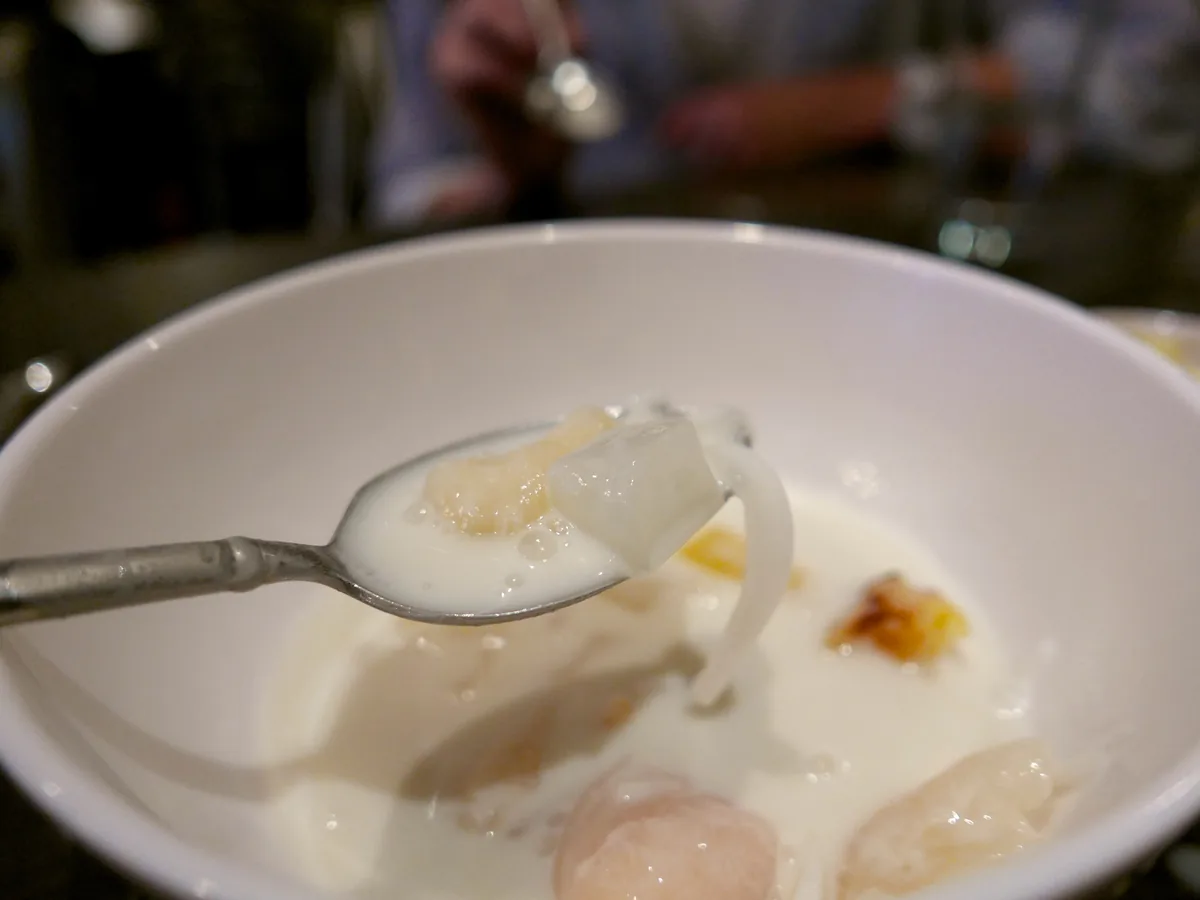
Build your own summer dessert
Combine four elements:
- Creamy base: coconut milk, coconut cream, yoghurt or plant drink
- Fruit: mango, lychee, longan, jackfruit, pomelo or dragon fruit
- Texture: sago, nata de coco, agar jelly, sticky rice or young coconut
- Contrast: salt, lime, toasted sesame, coconut chips or mint
Example: coconut milk + lychee + small tapioca pearls + lime zest.
Or coconut cream + longan + nata de coco + a pinch of salt.
Asian grocery shopping list
Shelf-stable basics: coconut milk and cream, small sago or tapioca pearls, Thai glutinous rice, agar, rock or palm sugar, and pandan extract. Fruit and toppings: canned lychee and longan, jackfruit, young coconut or macapuno, nata de coco and kaong. Sweet spreads: ube halaya and kaya. Fresh additions: ripe mango, pomelo, lime and mint.
Find the ingredients in Ingolstadt
Many specialist ingredients can be requested at Asia Markt Thien Tam. Fresh fruit, brands and pack sizes change with deliveries. When shopping for a particular dessert, call ahead or send a non-binding pickup request. The shop manually confirms availability, price and a possible collection time.
Storage and safety
- Chill desserts containing coconut milk, dairy or cut fruit promptly.
- Eat sago desserts within about 24 hours for the best texture.
- Do not leave cooked sticky rice at room temperature for long.
- Check the exact labels for allergens in kaya, condensed milk, ice cream and bread.
- Jelly cubes, nata de coco and sticky rice can be difficult for small children to chew. Adjust portion and piece size and supervise eating.
Frequently asked questions
Which Asian summer dessert is easiest?
Mango sago and the kaya coconut ice-cream sandwich are the quickest. Neither needs an oven.
Can I use canned lychee or longan?
Yes. Drain well and reduce added sugar. Add canned longan near the end so it keeps its shape.
What is the difference between sago, tapioca and boba?
Small white sago or tapioca pearls suit these desserts. Large black boba are sweeter, much chewier and change the balance of the dish.
Which options are vegan?
Mango sago, longan lotus soup and mango sticky rice can be vegan. Use coconut condensed milk in buko pandan. Traditional kaya contains egg.
Can I prepare them one day ahead?
Lychee and longan soups and buko pandan keep well overnight. Mango sago is best within 24 hours. Mango sticky rice is best on the day it is made.


.jpg)
