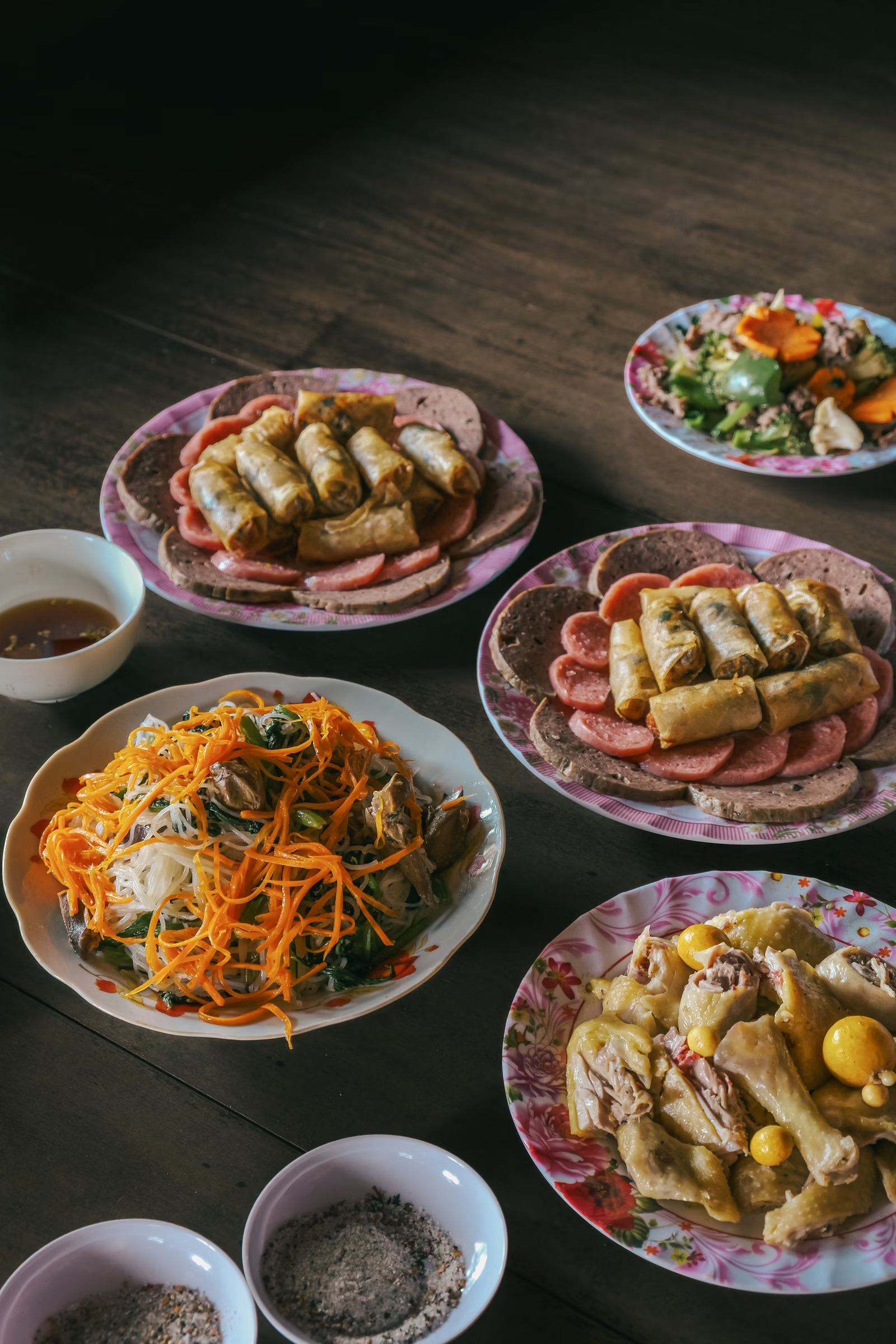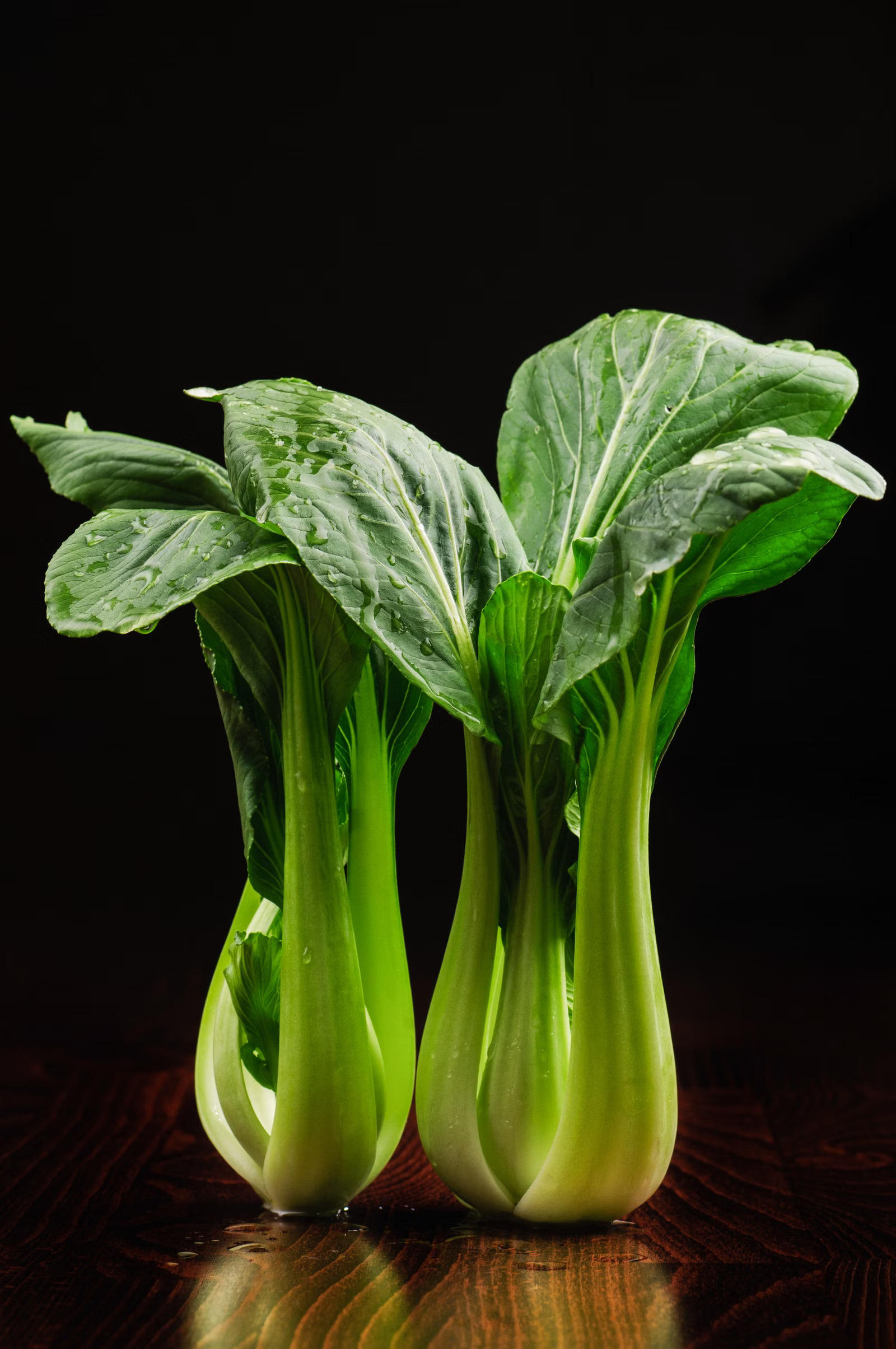
Fresh fruit & vegetables
Fresh Asian fruit and vegetables: more colour, freshness and flavour
Mango, dragon fruit, durian, coconut, water spinach, bitter melon and more: how fresh Asian produce improves meals, what it contributes and how to choose it.
Season, origin, ripeness and prices can change. Please ask before making a special trip.
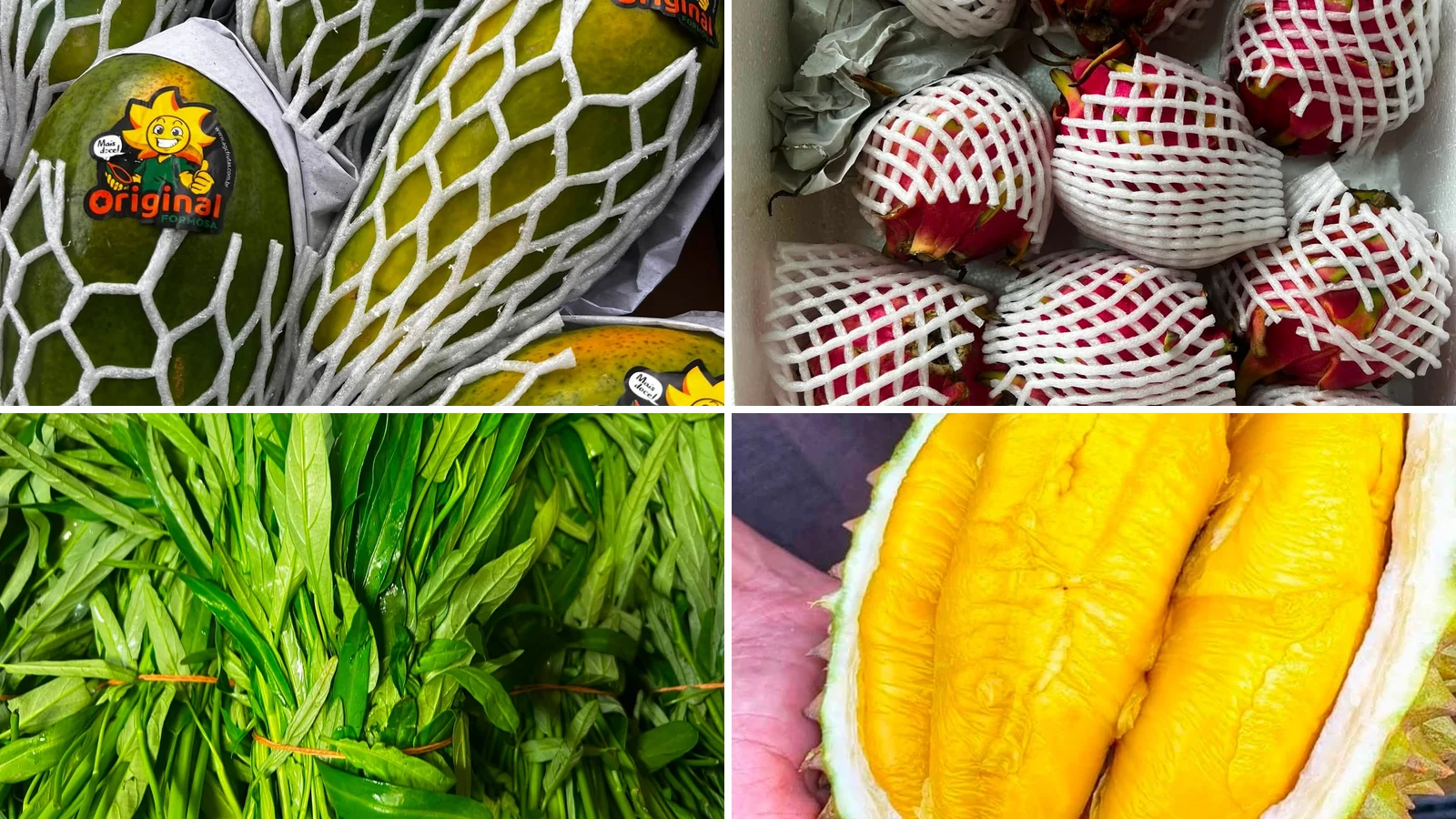
Real shop photography
Seasonal arrivals
Familiar from Southeast Asian kitchens
Availability confirmed by the shop
Great Asian cooking is not built on rice, noodles and sauces alone. Ripe fruit, crisp beans and quickly cooked leafy greens often provide the finishing touch: colour, aroma, acidity, natural sweetness and a lively contrast on the plate.
Depending on the season and the latest delivery, Asia Markt Thien Tam may have fresh produce from Thailand, Malaysia or Vietnam, including mango, dragon fruit, durian, coconut, yardlong beans, bitter melon, sweet potato leaves and water spinach. The selection, country of origin and ripeness can change. Please check availability before making a special trip for one item.
How fresh produce improves the quality of a meal
Variety matters more than any single “miracle food”
Different fruits and vegetables provide different combinations of vitamins, minerals, fibre and plant compounds. The useful idea is not to chase a fashionable superfood, but to eat a varied range. Different colours, leaves, fruits and pods complement one another and make it easier to include more whole plant foods in everyday meals.
Better texture and brighter flavour
Crisp yardlong beans, water spinach cooked for barely a minute, or a properly ripe mango can transform a simple dish. Fresh ingredients provide crunch, juiciness and aroma. Rice, noodles or tofu become more interesting without every layer of flavour having to come from a bottled sauce.
Natural balance on the plate
Sweet fruit works beautifully with acidity, chilli and herbs. Slightly bitter vegetables can balance rich curries and fried food. These contrasts make many traditional dishes taste more complete and help fresh elements sit alongside salty, creamy or strongly seasoned components.
New ingredients create new cooking habits
Cooking with the same familiar vegetables often leads to the same familiar meals. Water spinach, sweet potato leaves and bitter melon open the door to different soups, stir-fries, salads and side dishes. That is one of the best reasons to visit a good Asian grocery: it does not merely sell products; it expands what you can cook at home.
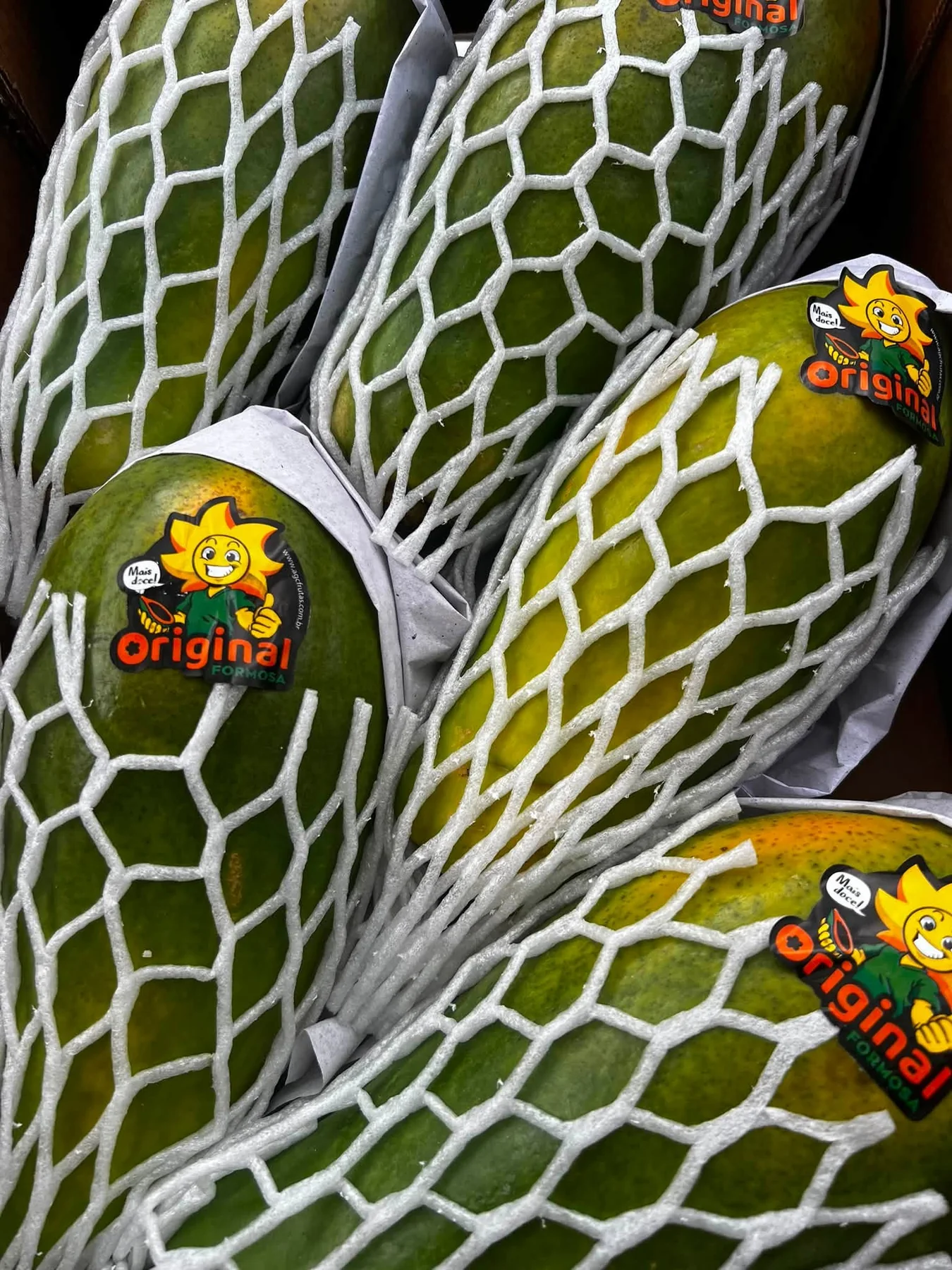
Mango · Xoài · มะม่วง
Taste and texture: Sweet, fragrant and juicy when ripe; green mango is firm, sharp and refreshing.
Mango provides vitamin C, carotenoids and fibre, although the amounts vary with cultivar and ripeness. Its greatest culinary strength is versatility. Ripe mango adds natural sweetness and juice, while green mango contributes acidity and crunch.
How it improves a dish: Mango lifts hot, salty and creamy flavours. In desserts, ripe fruit can also replace some heavily sweetened toppings.
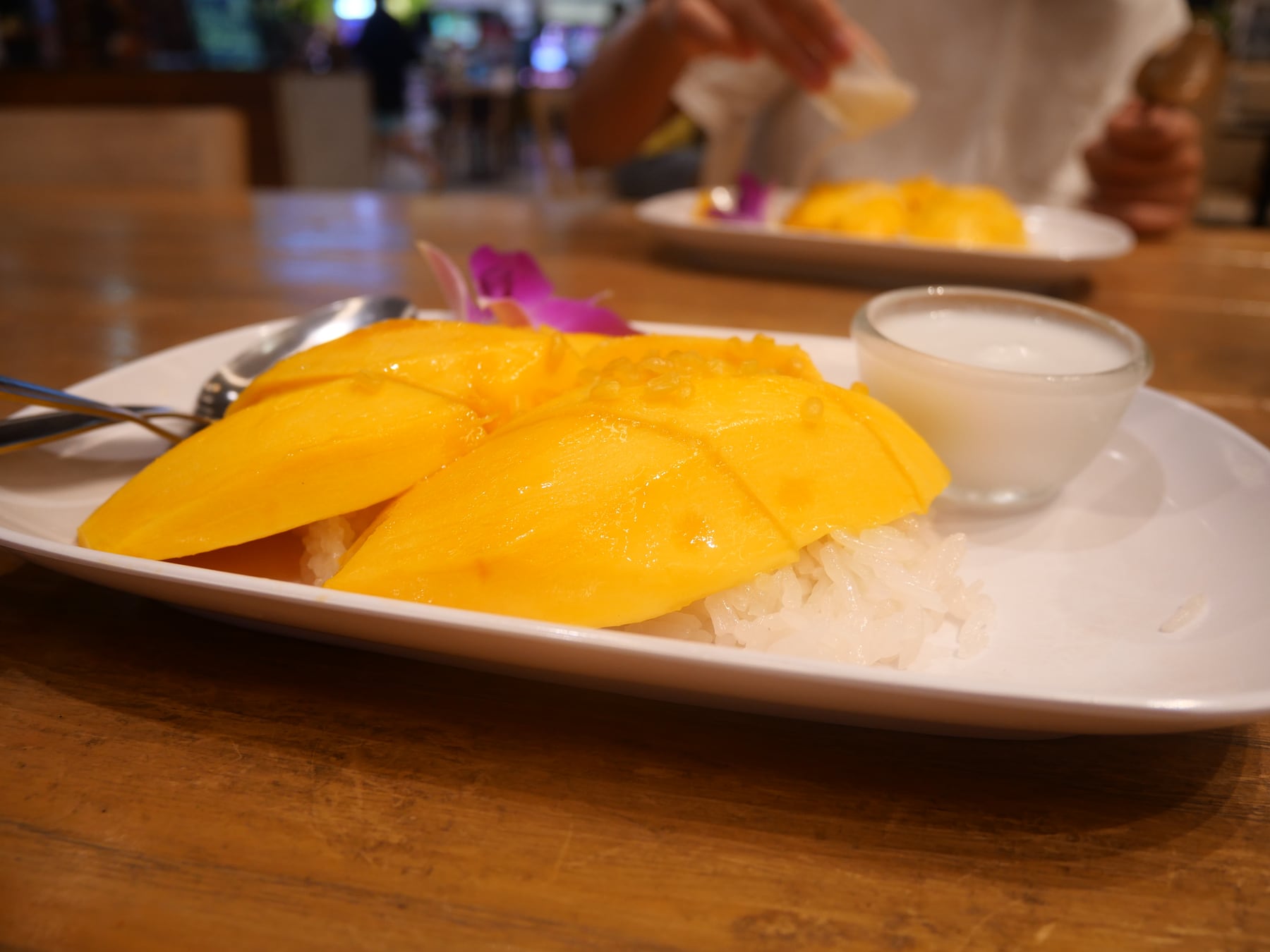
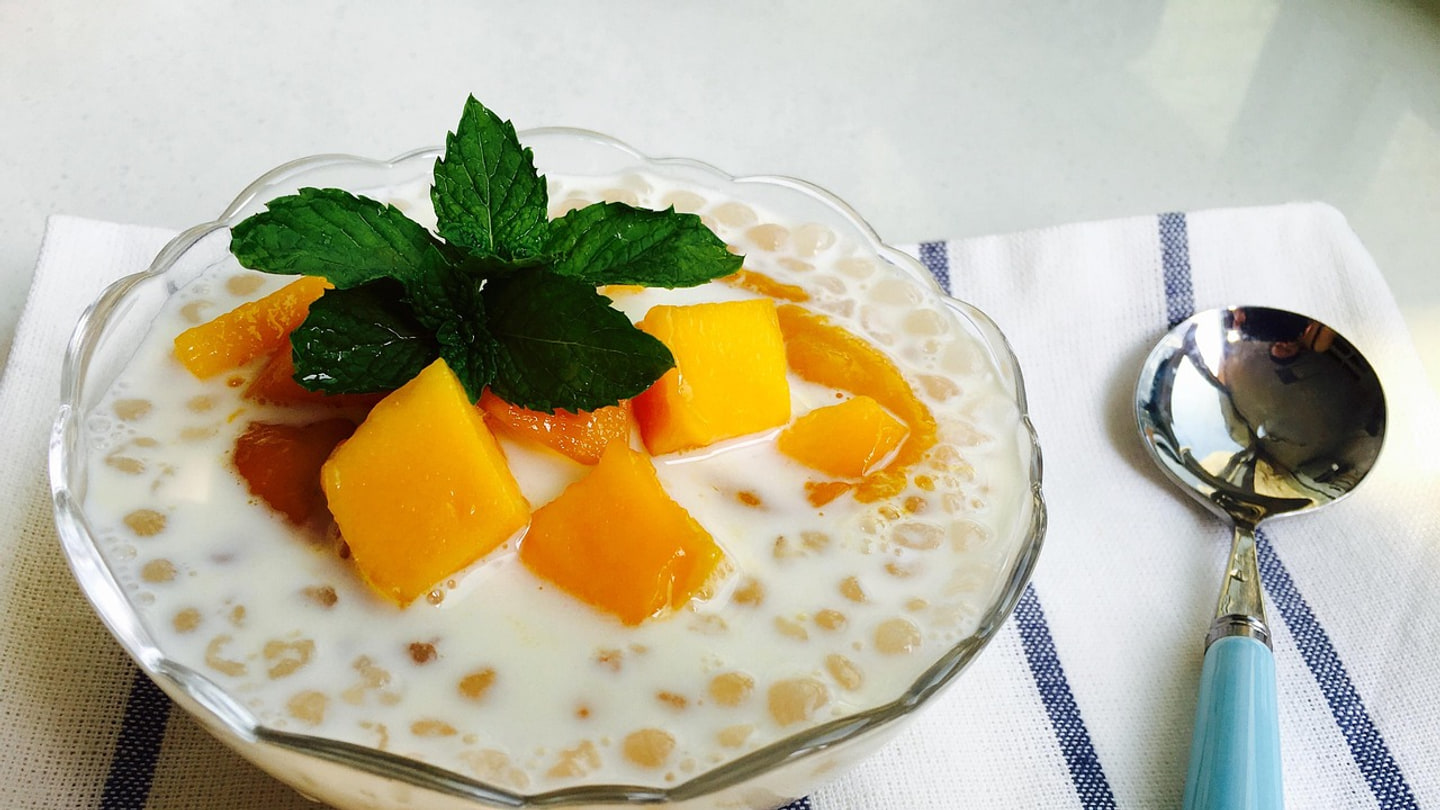
Easy uses: Mango sticky rice, mango sago, lassi, fruit salad, salsa, green-mango salad or simply eaten fresh.
Choosing and storing: A ripe mango often smells fragrant near the stem and yields slightly to gentle pressure. Let firm fruit ripen at room temperature, then refrigerate and use it soon.
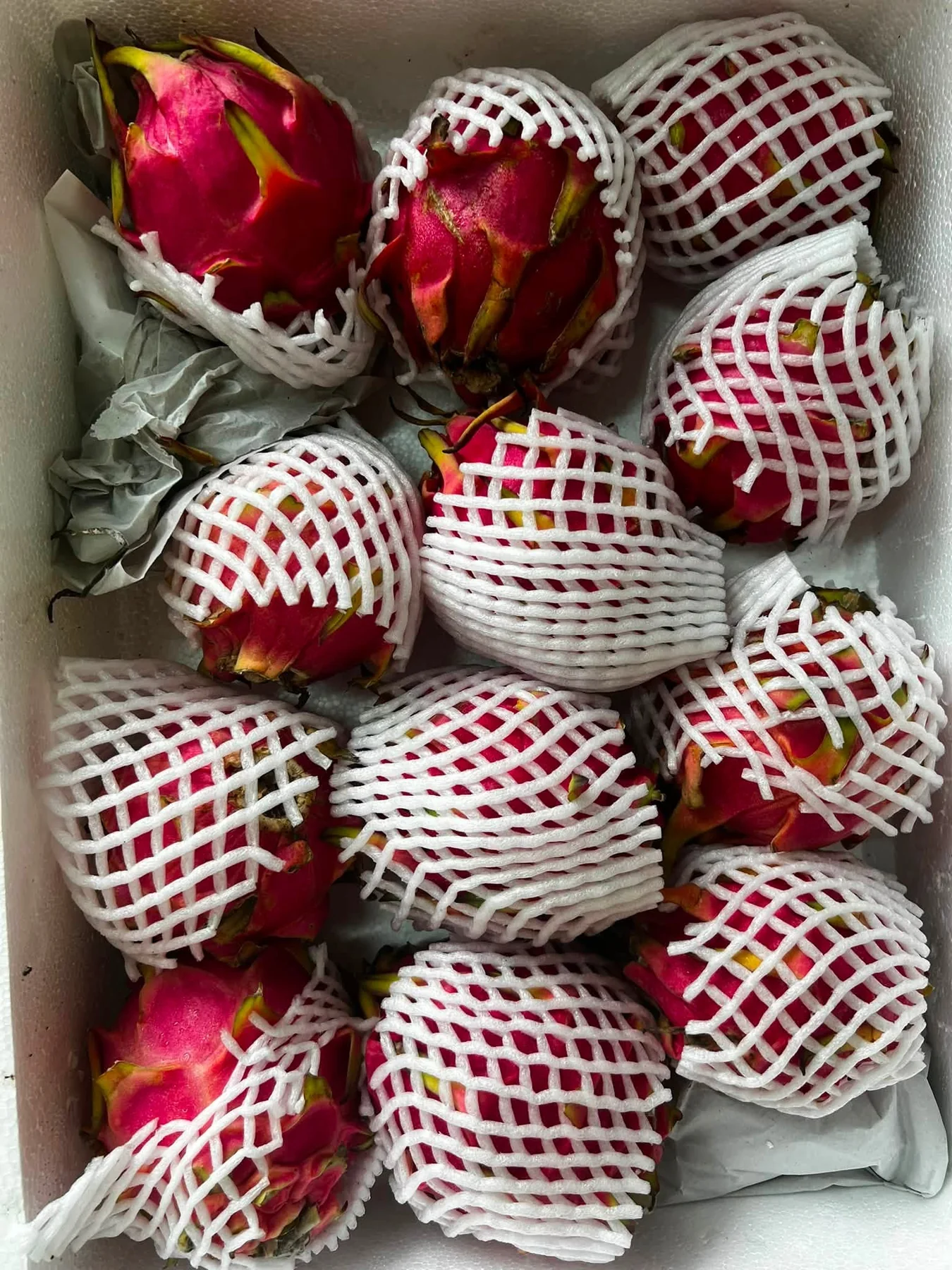
Dragon fruit · Thanh long · แก้วมังกร
Taste and texture: Mild, clean and juicy, with tiny crunchy seeds.
Dragon fruit contains water, fibre and a range of plant pigments and polyphenols. Its composition varies between white-, red- and yellow-fleshed varieties. In the kitchen, its main strengths are a light refreshing texture and striking appearance rather than an overpowering flavour.
How it improves a dish: It adds colour, volume and freshness to fruit bowls and chilled desserts without masking other ingredients.
Easy uses: Serve chilled and spooned from the skin, or add it to fruit salad, smoothie bowls, yoghurt, chia pudding and dessert platters.
Choosing and storing: Look for vivid skin that gives only slightly. Very dry leaf tips or numerous soft patches may indicate lengthy storage. Refrigerate and cover once cut.
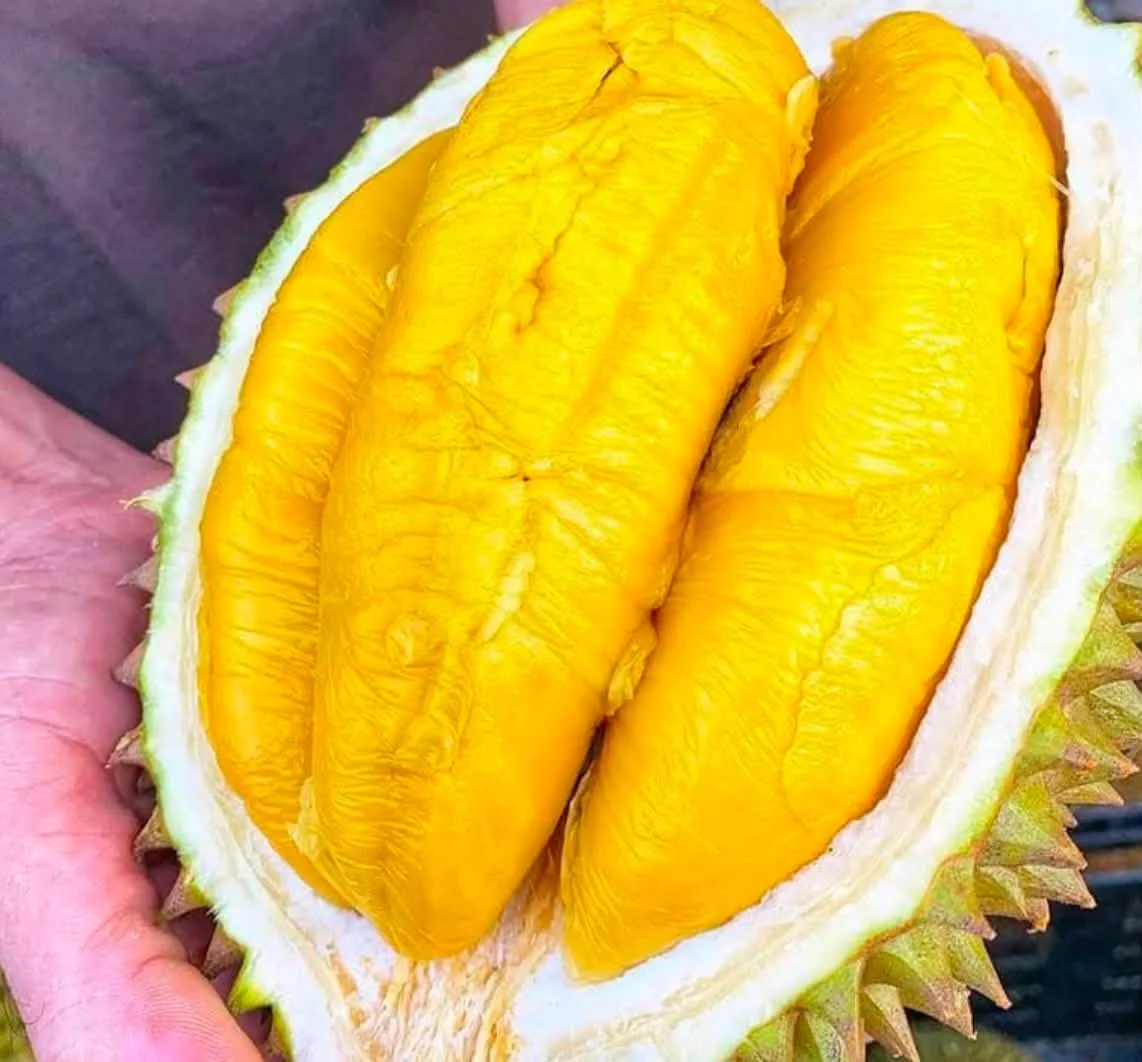
Durian · Sầu riêng · ทุเรียน
Taste and texture: Intensely aromatic and custard-like, with flavours that may seem sweet, nutty, vanilla-like or gently savoury depending on the variety.
Durian provides fibre, vitamin C, B vitamins, minerals and natural carbohydrates. It is also more energy-dense than most fresh fruit. That is not a reason to fear it—only a reason to enjoy it as a rich speciality rather than an unlimited everyday snack.
How it improves a dish: Fresh durian gives desserts body and a distinctive complexity that artificial durian flavour rarely reproduces.
Easy uses: Eat it fresh, serve with sticky rice, or use it in cakes, ice cream, shakes and Southeast Asian desserts. First-time tasters may prefer to begin with a small portion.
Choosing and storing: When buying a whole fruit, ask about the variety, ripeness and whether the shop can open it. Keep opened flesh well sealed and refrigerated; freeze portions for longer storage. Durian seeds must be cooked and must not be eaten raw.
Coconut · Dừa · มะพร้าว
Taste and texture: Young coconut is mild and refreshing; mature flesh is firmer, richer and more aromatic.
Coconut water mainly provides fluid and minerals such as potassium. It is an enjoyable drink, but it is not automatically more hydrating than plain water for everyday needs. Coconut flesh supplies fibre and minerals, while also containing a substantial amount of fat, much of it saturated.
How it improves a dish: Fresh flesh brings texture and aroma, while coconut water works well in drinks and light desserts. Freshly grated coconut tastes far brighter than heavily sweetened dried coconut.
Easy uses: Drink and spoon directly from a young coconut, add to fruit salad or chè, serve with sticky-rice desserts, or grate into salads, chutneys and sweets.
Choosing and storing: Keep unopened coconuts cool. Once opened, refrigerate the water and flesh immediately and use promptly. Use a stable tool to open one safely, or ask the shop for help.
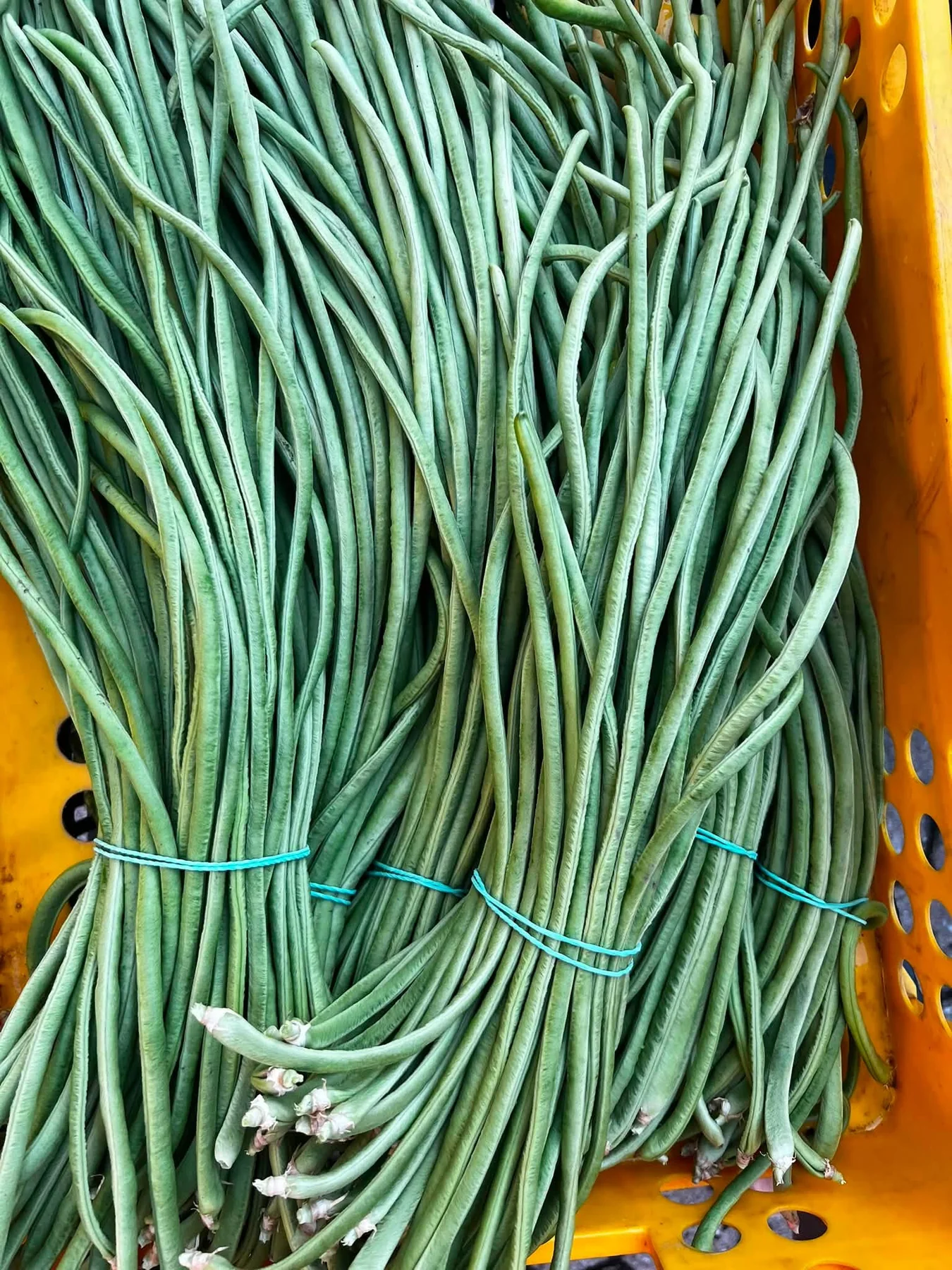
Yardlong beans · Đậu đũa · ถั่วฝักยาว
Taste and texture: Fresh, gently nutty and pleasantly crisp when cooked quickly.
Yardlong beans provide fibre, folate, vitamin C and several minerals. They are not simply ordinary green beans made longer: their particular texture stands up well to high heat and brief cooking.
How they improve a dish: They add bite and absorb seasoning without immediately turning soft.
Easy uses: Stir-fry with garlic, add to pad kra pao or Thai curry, cut into som tam, or use in fried rice and Vietnamese vegetable dishes.
Choosing and storing: Select firm, smooth pods without dry ends. Store loosely wrapped in the vegetable drawer and use within a few days. Wash and trim before cooking.
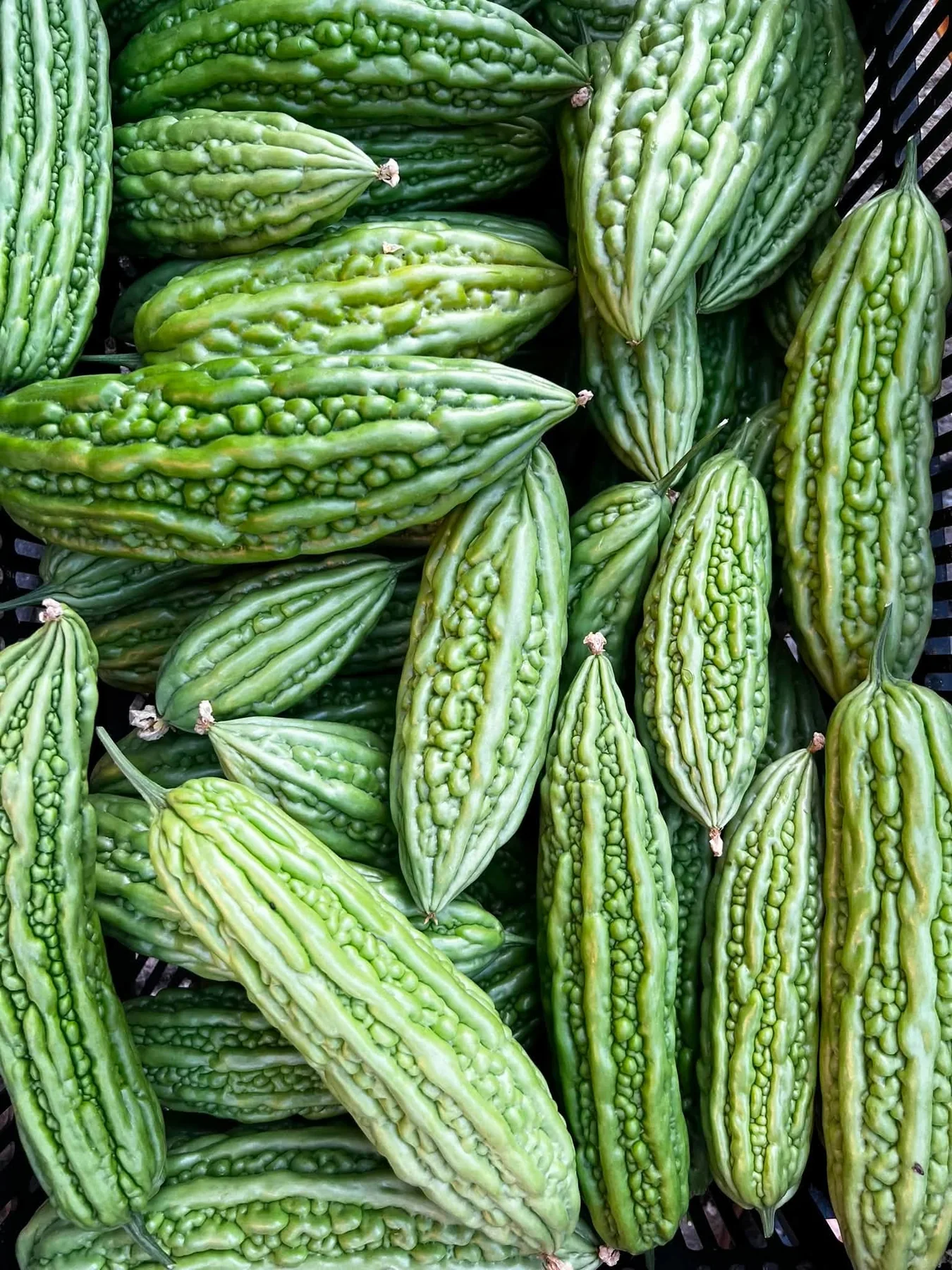
Bitter melon · Khổ qua / Mướp đắng · มะระ
Taste and texture: Distinctly bitter, juicy and tender with a slight bite after cooking.
Bitter melon provides vitamin C and fibre. It has a long culinary tradition across Asia and has also been studied in relation to blood glucose. The evidence is not strong enough to recommend it as a treatment for diabetes. Food and concentrated extracts do not replace prescribed care.
How it improves a dish: Its bitterness creates a deliberate contrast with meat, egg, rich broth and strongly seasoned sauces. Used well, it makes food more complex rather than simply hotter or saltier.
Easy uses: Vietnamese stuffed bitter-melon soup, bitter melon with egg, a beef stir-fry, or blanched slices in a savoury salad.
Choosing and storing: Choose firm green fruit. For a gentler bitterness, remove the seeds and soft pith, slice thinly, then salt briefly or blanch. Anyone using glucose-lowering medication should not use concentrated bitter-melon products as self-treatment without medical advice.
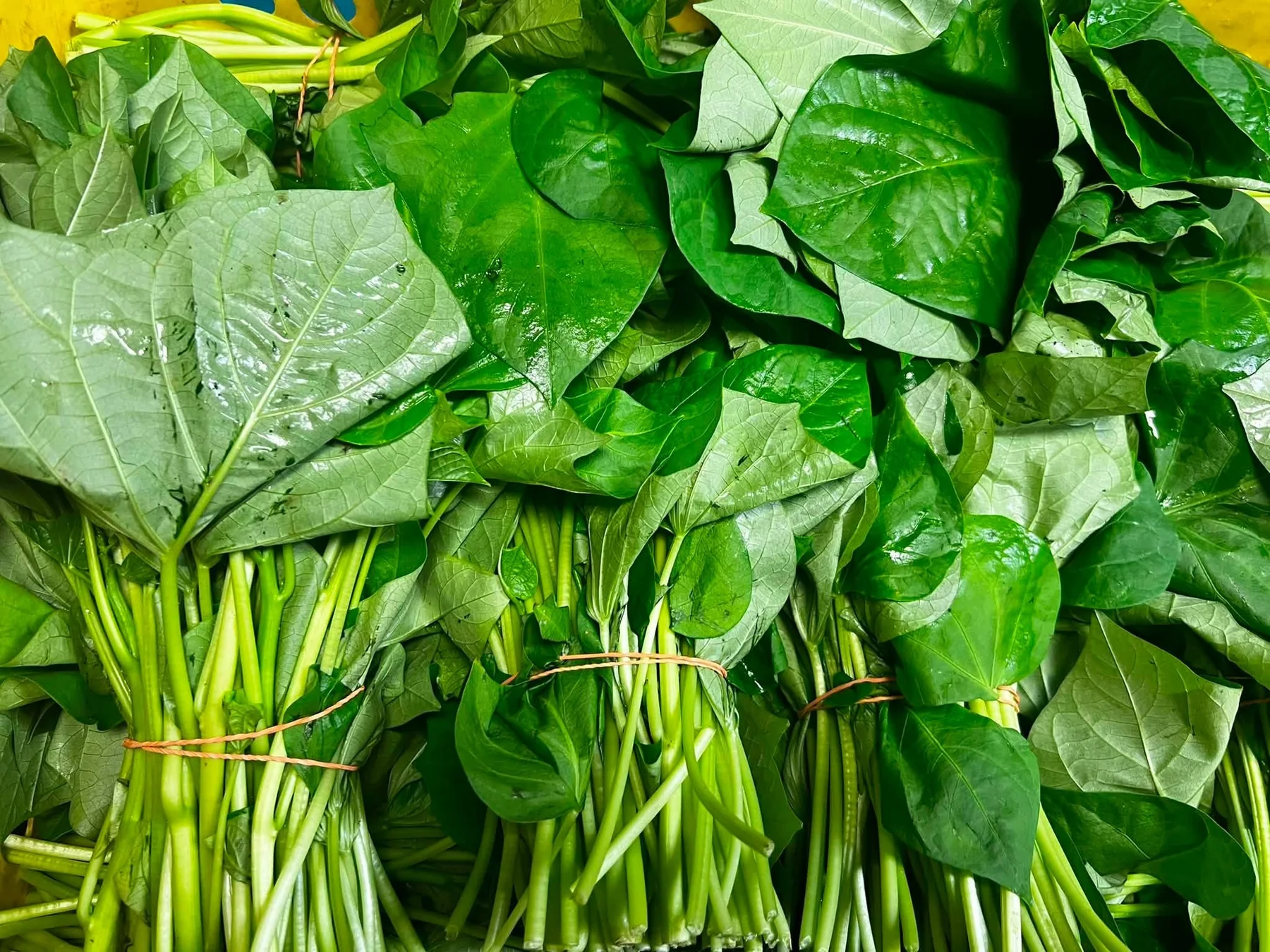
Sweet potato leaves · Rau lang · ใบมันเทศ / ยอดมันเทศ
Taste and texture: Mild and green; soft after quick cooking without becoming slimy.
Sweet potato leaves provide fibre, carotenoids, polyphenols and a range of minerals. They may be unfamiliar in much of Europe, but they are an everyday leafy vegetable in many Asian kitchens.
How they improve a dish: They add a generous portion of fresh greens and work with garlic, fish sauce, soy sauce and fermented seasonings without hiding those flavours.
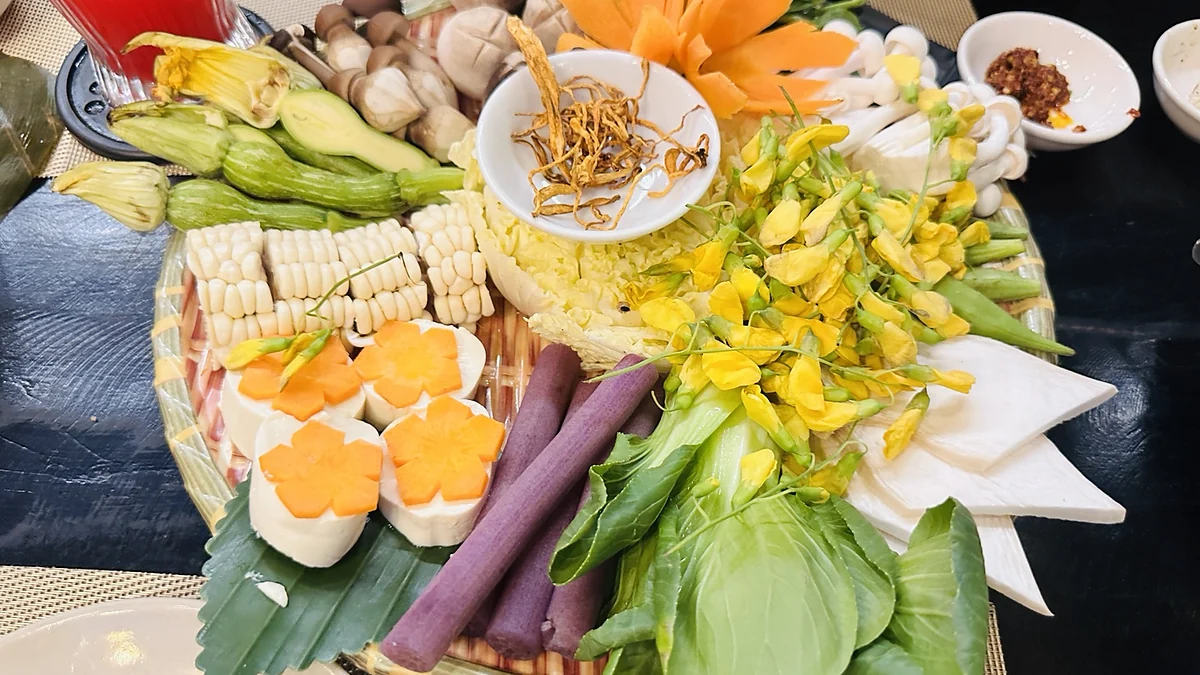
Easy uses: Stir-fry with garlic, blanch and serve with a dip, add to soup, or cook as a warm leafy side dish in place of spinach.
Choosing and storing: Look for lively leaves and firm stems. Refrigerate slightly damp but not sealed while wet. Wash thoroughly and cook before eating.
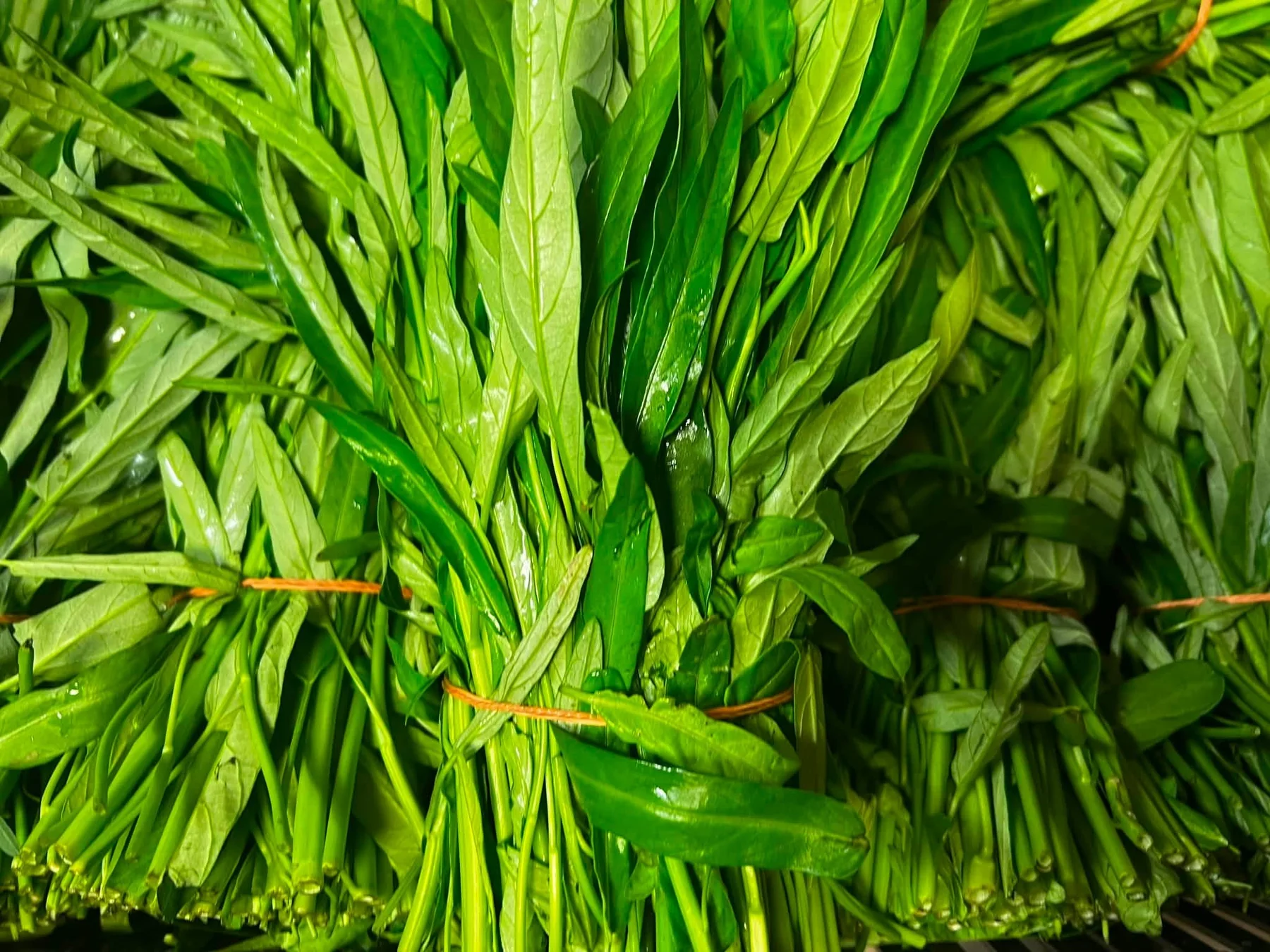
Water spinach · Rau muống · ผักบุ้ง
Taste and texture: Fresh and gently mineral, prized for its hollow crunchy stems and tender leaves.
Water spinach is a leafy vegetable that provides fibre, carotenoids, vitamin C and minerals. Exact levels vary with cultivar, growing conditions and preparation. Its biggest culinary advantage is the contrast between tender leaves and crisp, juicy stems.
How it improves a dish: Very fast cooking keeps it bright and lively. It adds volume and texture to a wok dish and pairs especially well with garlic, chilli, fermented soybean paste or fish sauce.
Easy uses: Vietnamese rau muống xào tỏi, Thai pad pak bung, soups, hotpot, or briefly blanched with a dip.
Choosing and storing: Look for juicy firm stems and fresh leaf tips. Use it quickly because it is delicate. Wash thoroughly and cook; add stems slightly before leaves when necessary.
Enjoy the benefits without exaggerated promises
Fresh fruit and vegetables can enrich a varied diet, but no single product makes a whole meal healthy. Portion size, the rest of the recipe and cooking method all matter. Durian and coconut flesh are richer than many other fruits, and bitter melon is not a medicine. Nutrient content also changes with variety, ripeness, storage and preparation.
The real strength of these foods is the combination of nutritional variety and culinary quality: more colours, more textures, more authentic flavours and more ways to genuinely enjoy eating fruit and vegetables.
Season, origin, ripeness and prices can change. Please ask before making a special trip.