Sushi, phở or a Chinese buffet—which Asian food do travellers actually choose on holiday? The honest answer is all of them, for different reasons. Holiday eating moves through moods. One day you want something familiar that makes you happy immediately. The next evening you want to grill, share, compare and stay at the table far longer than planned. Sometimes you want exactly what a generous buffet promises: variety, low risk and the freedom to taste a little of everything.
This guide is therefore not a ranking of the “best” dishes. It is an invitation to discover destinations through their eating feeling. Thailand often tastes like contrast and spontaneous street food. Vietnam is built around herbs, broths and freshness. Korea turns dinner into a shared activity. Japan can feel precise and contemplative—or noisy, casual and wonderfully easygoing. Malaysia and Singapore show how several cultures can meet in one meal. Hong Kong turns breakfast and tea into urban rituals. Taiwan transforms an evening walk into a seemingly endless snack tour.
The first question: sushi, phở or buffet?
Sushi: the pleasure of attention
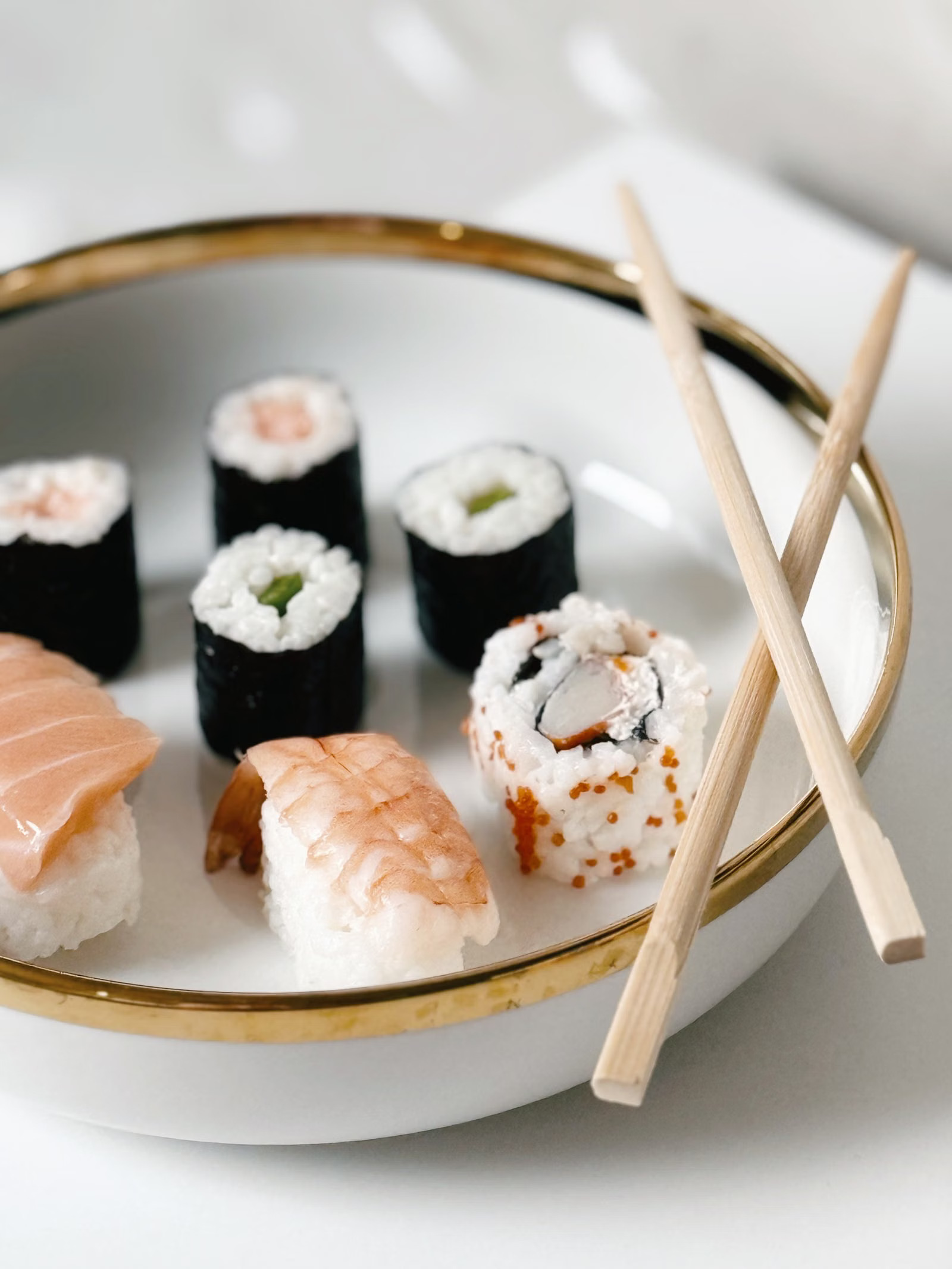
Good sushi does not feel like a mountain of food. It feels like a sequence of small decisions. Rice, acidity, temperature and texture have to work together. You naturally slow down, look more closely and compare one piece with the next. It suits holiday days when you want to notice craft and detail.
Phở: the pleasure of arrival
A steaming bowl of phở offers less spectacle and more reassurance. Fragrant broth, soft rice noodles, herbs, lime and chilli can be adjusted to your taste. It may be an early breakfast, a midday reset or a quiet meal after a long journey. Its message is simple: sit down, breathe, you are here now.
Buffet: the pleasure of freedom and abundance
A Chinese buffet is popular with many travellers because it removes uncertainty. You do not need to know every dish by name. You can look first, take one small spoonful, return later and discover your favourites. It is not the same thing as one regional Chinese cuisine, but it is an exceptionally accessible form of exploration.
The more useful question is not “Which one wins?” but what kind of evening do you want?
| Eating mood | Good formats |
|---|---|
| Quiet, precise, attentive | Sushi, kaiseki, soba |
| Warm and reassuring | Phở, ramen, beef noodle soup |
| Social and animated | Korean BBQ, hot pot, izakaya |
| Taste many small things | Buffet, dim sum, hawker centre, night market |
| Sweet, cool and summery | Bingsu, chè, mango sticky rice, shaved ice |
The best choice is not a single dish. It is the kind of evening you want to experience.
Travel impressions
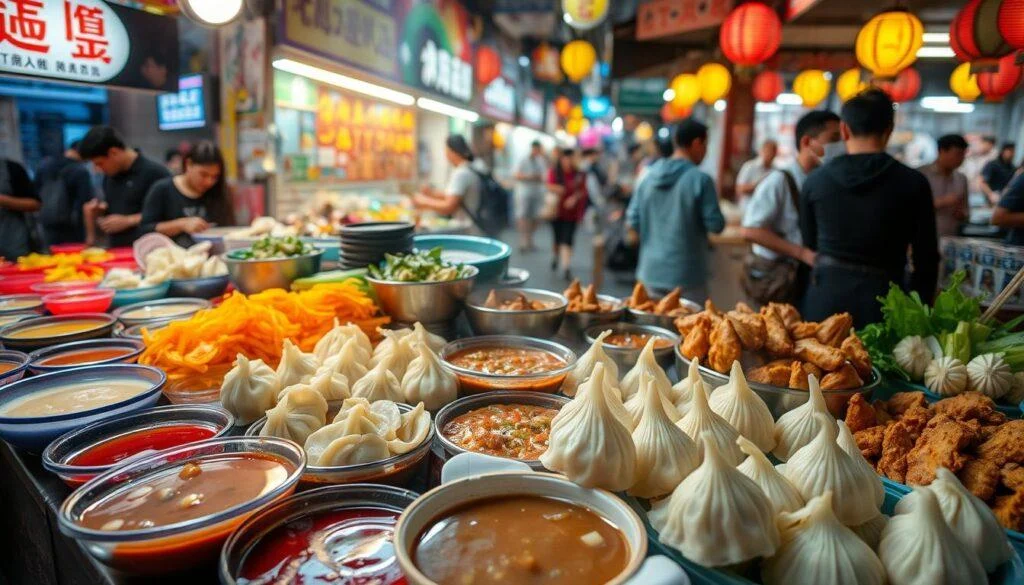
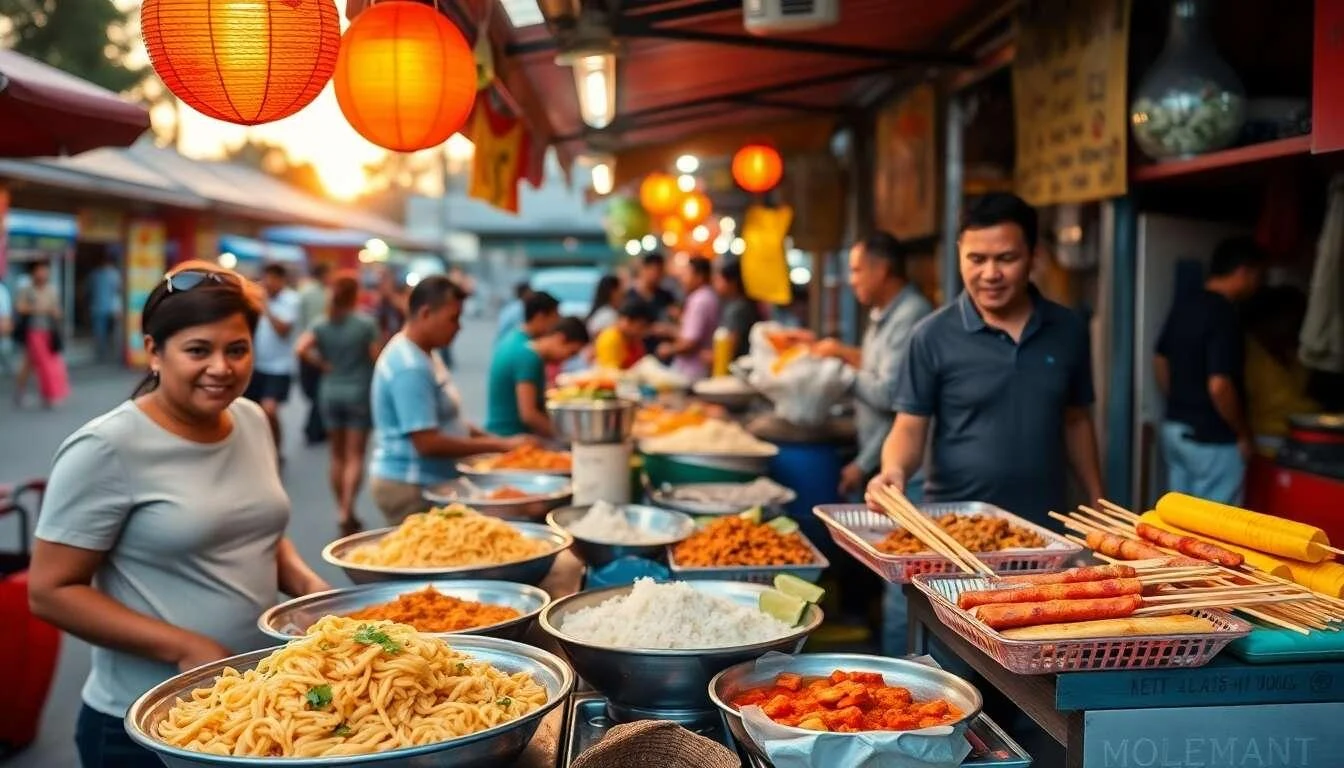
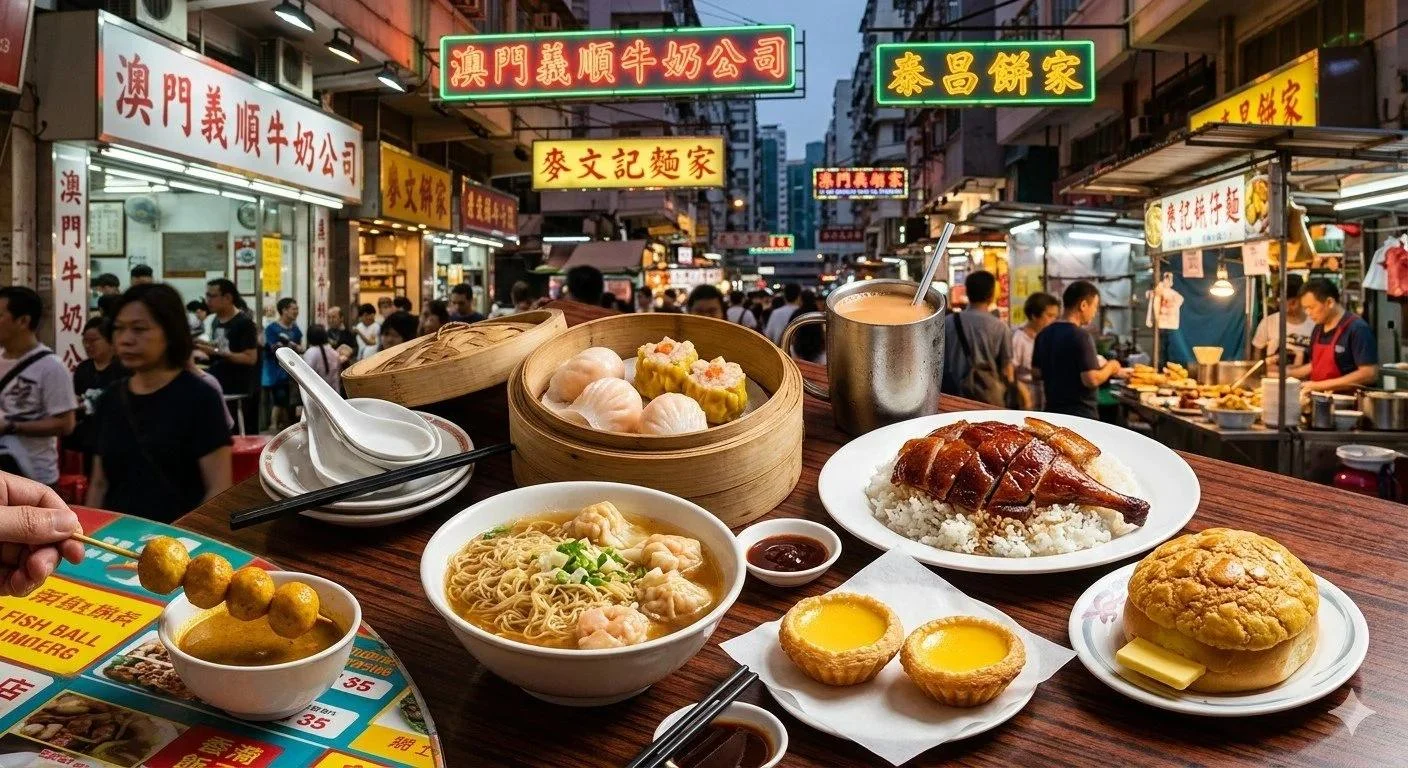
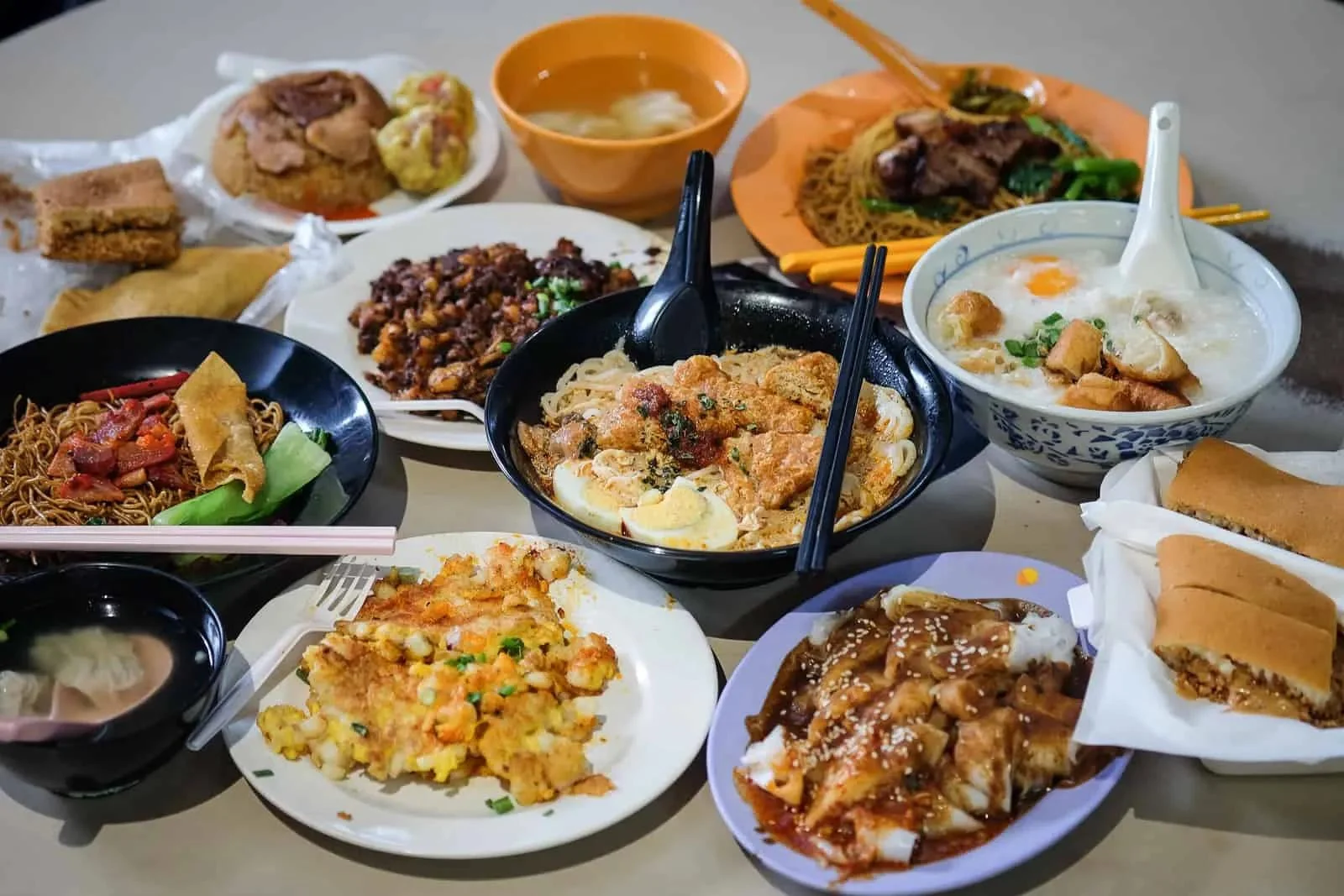
Asia has many cousins of the buffet
Travellers who love the “almost unlimited tasting” experience do not need to search everywhere for a classic Chinese lunch buffet. Other destinations offer their own versions of the same happiness:
- China and Taiwan: hot-pot buffets, self-service mala tang or large shared meals made up of many dishes.
- Korea: all-you-can-eat samgyeopsal and Korean BBQ, surrounded by banchan, lettuce leaves and dipping sauces.
- Japan: tabe-hōdai means all you can eat. Shabu-shabu, yakiniku, sushi and hotel buffets are common formats. Conveyor-belt sushi is not unlimited, but it gives the same playful “one more little plate” pleasure.
- Hong Kong: yum cha is usually not unlimited, yet the emotional experience is similar: the table gradually fills with shared bamboo baskets and small plates.
- Malaysia and Singapore: a hawker-centre crawl replaces one enormous buffet counter with many specialist stalls. Everyone buys something different and brings it back to share.
A buffet offers choice in one place. A night market or hawker centre offers choice as movement through a place. For a travel memory, the second can be even more powerful.
1. Thailand: food that tastes like colour, heat and spontaneity
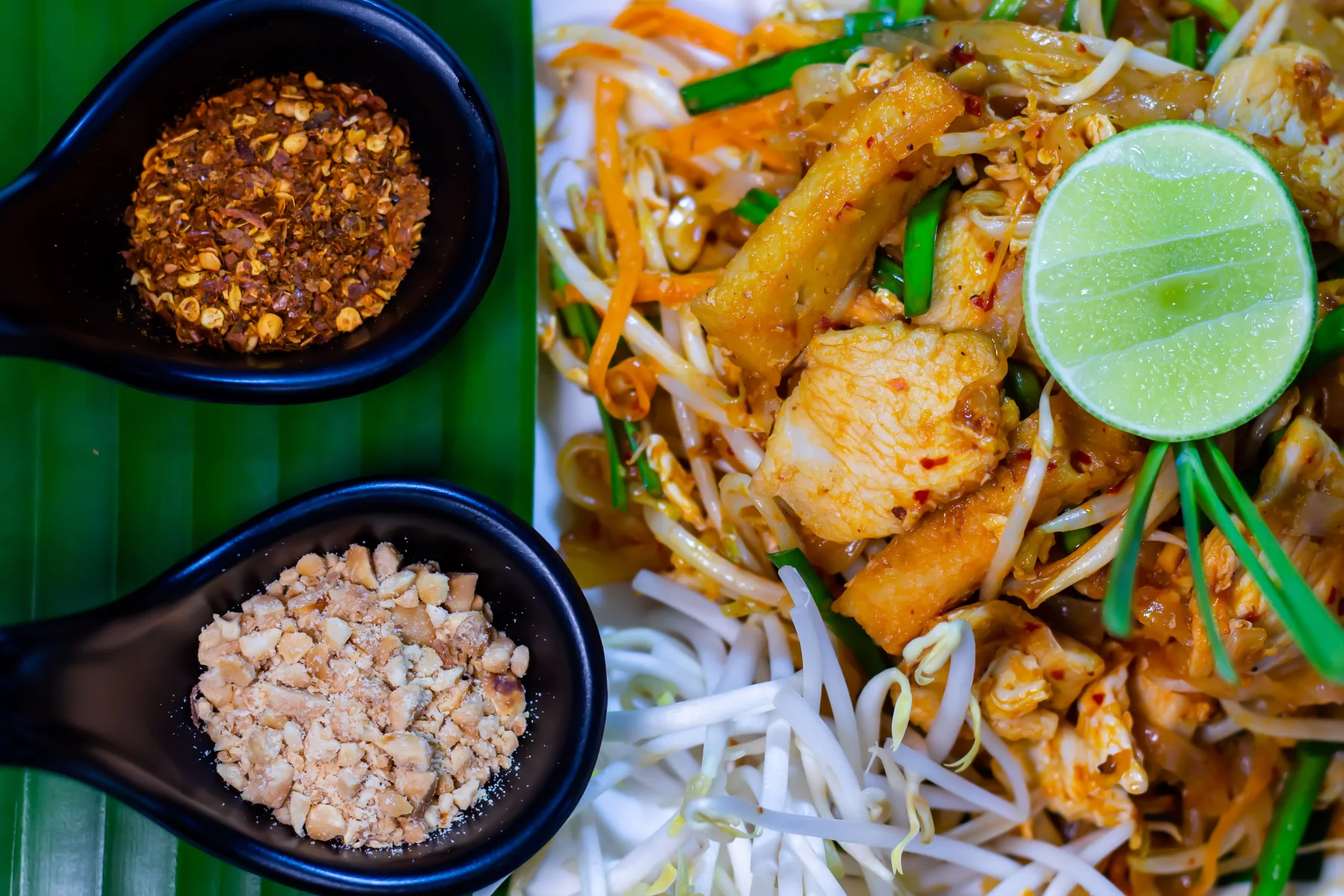
Thailand is an ideal first food-tour destination because almost every meal plays with contrast: sweet against sour, creamy against fiery, soft against crisp, hot noodles against fresh herbs. Pad Thai is the best-known example. Rice noodles, tamarind, lime, egg, peanuts and bean sprouts create not only flavour but a constantly changing texture.
Thailand neither begins nor ends with Pad Thai. Som tam, green papaya salad, feels like a culinary alarm clock: crunchy, juicy, salty, sour and—depending on your order—seriously hot. Moo ping, small grilled pork skewers, is the kind of food you smell before you see it. Khao niao mamuang, mango with sticky rice and coconut milk, turns ripe fruit into a quiet, soft summer pause.
How does Thailand feel at the table?
Immediate and alive. You may not sit for hours, but every bite arrives at full volume. Grill smoke mixes with lime, fish sauce, chilli and sweet coconut. It is food that wakes up a tired traveller.
Why does it belong in August?
Thailand demonstrates that summer food does not have to be cold. Acidity, chilli and fresh herbs can feel lighter than a heavy, muted meal. When the intensity becomes too much, something cool or sweet is usually close: coconut ice cream, Thai tea or mango sticky rice.
The best travel moment
Do not order five mains in one restaurant. Visit an early-evening market, share a Pad Thai, try a skewer and a small salad, then finish with dessert. Thailand rewards curiosity in small portions.
Bring the flavour home with: tamarind, fish sauce, jasmine rice, rice noodles, curry paste, coconut milk and Thai basil. Explore ingredients
2. Vietnam: fresh herbs, deep broths and the happiness of tiny stools
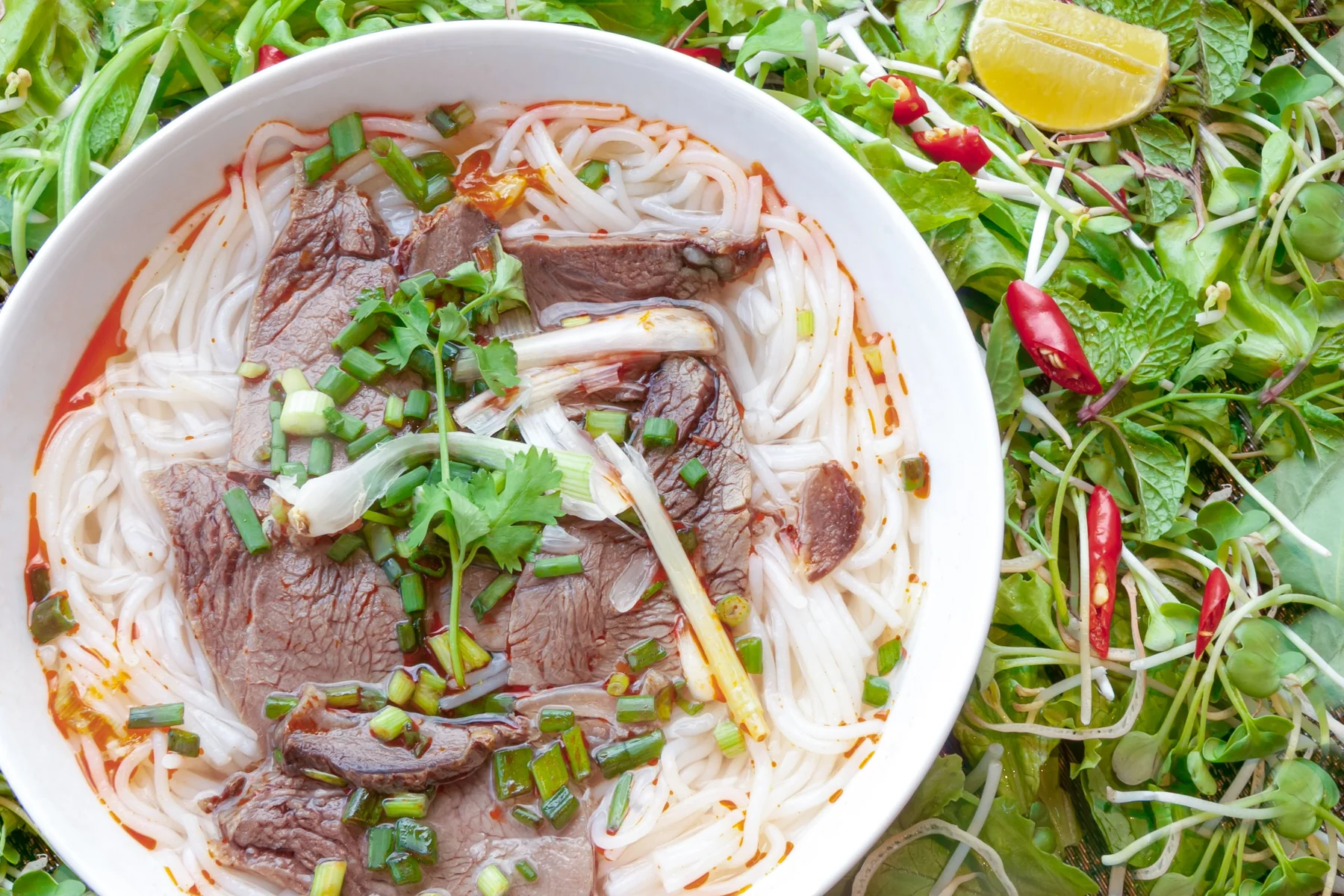
Outside Vietnam, the cuisine is often reduced to phở and bánh mì. Both deserve their fame, but the country tells a much broader story through food. Northern cooking is often clearer and more restrained. Central Vietnam tends to be more generous with spice and intensity. Southern dishes more frequently introduce sweetness, tropical herbs and abundant accompaniments.
A bowl of phở bò feels different in the morning and at night. Early, it is a gentle beginning: warm broth, elastic noodles and fragrant greens. After a demanding day, the same bowl feels restorative. Bún chả has another rhythm: grilled meat, rice noodles, herbs and a sweet-sour dipping broth are combined little by little. Bánh mì is the ideal food between places—crisp, fresh, savoury and portable.
On hot days, gỏi cuốn can be especially appealing. Summer rolls feel light because herbs, lettuce, rice noodles and rice paper do not compete for attention. Chè proves that Vietnamese dessert is not simply cake: beans, coconut, jelly, fruit and ice can be soft, cold, colourful and surprising in one glass.
How does Vietnam feel at the table?
Close to ordinary life. You sit on a low stool, hear scooters, watch the hands working at the neighbouring stall and realise that the meal is not separated from the city. It is part of its pulse.
Why does it belong in August?
Herbs, lime, rice noodles, fresh vegetables and iced drinks keep the appetite curious on warm days. Vietnam also excels at snacks and small meals—perfect for travellers who prefer five discoveries to two heavy restaurant sittings.
The best travel moment
Wake early once and eat something locals consider breakfast. A food tour does not begin only at dinner.
Bring the flavour home with: phở and bún noodles, rice paper, fish sauce, hoisin sauce, herbs, Vietnamese coffee and coconut products. Explore ingredients
3. China: not one cuisine, but a culinary map
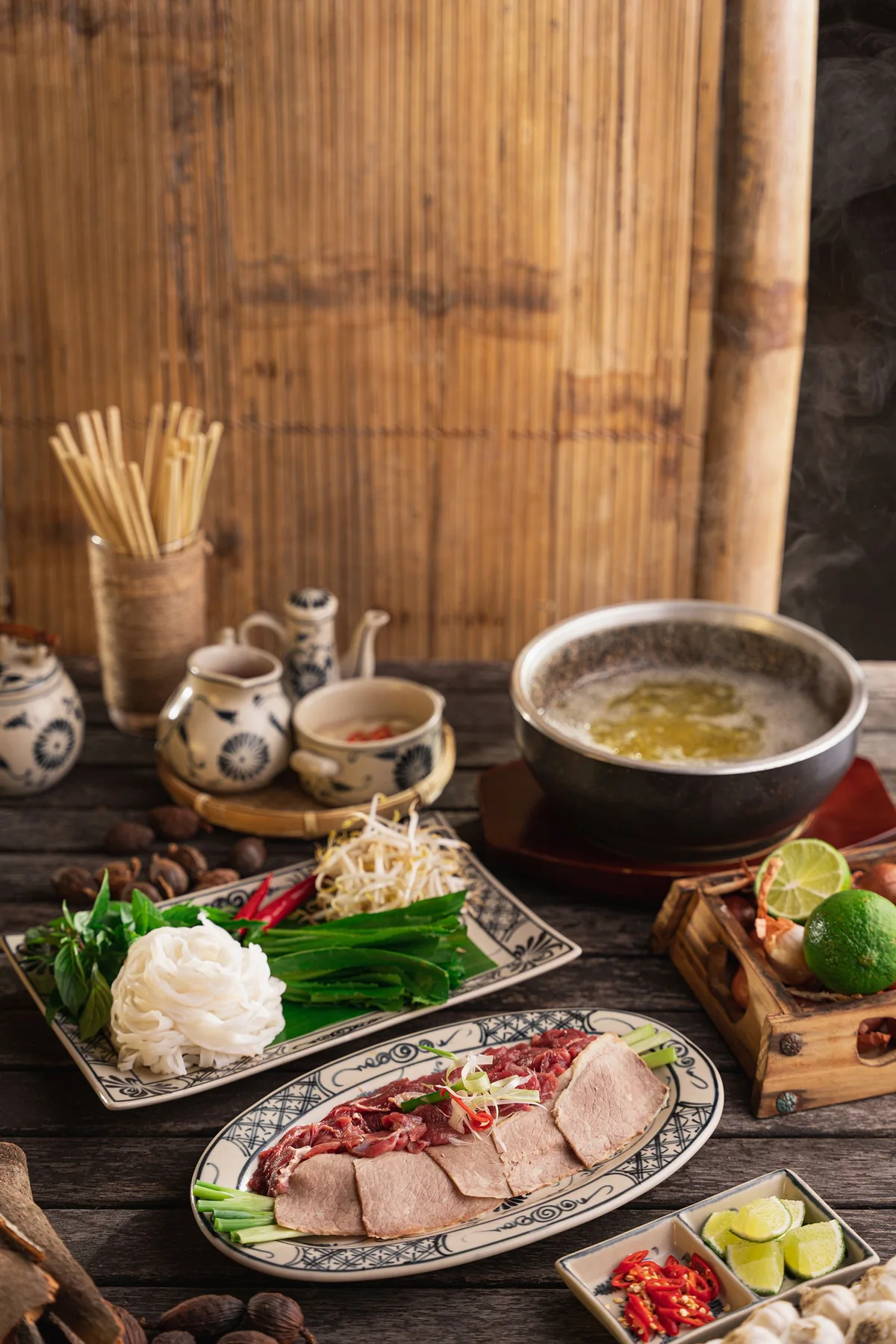
“Chinese food” is about as precise as “European food”. Between Beijing, Sichuan, Xi’an, Shanghai, Yunnan and Guangdong, staple ingredients, heat, cooking techniques and the roles of rice, noodles and wheat dough change dramatically.
In Beijing, Peking duck is dining theatre: crisp skin, thin pancakes, sauce, cucumber and spring onion are assembled at the table. In Sichuan and Chongqing, hot pot becomes a communal event. The broth bubbles, ingredients disappear and return, and the famous málà sensation combines chilli heat with the tingling impression of Sichuan pepper. Xi’an speaks through roujiamo and broad biang-biang noodles of wheat, spice and Silk Road influences. Shanghai is a natural place for xiaolongbao and gentler, sweeter flavours. Guangdong and the Cantonese world are associated with clear flavours, steamed food and dim sum—although Hong Kong has turned this heritage into a distinctive urban culture of its own.
How does China feel at the table?
Generous and communal. Many dishes arrive in the middle. You do not possess only “your plate”; you respond to the whole table. A good meal feels like a conversation between crisp, tender, mild, hot, sour and fragrant.
What does that mean for buffet lovers?
The buffet instinct—variety, repeated tasting and finding favourites—fits naturally with the joy of sharing. On a trip, however, a regional restaurant with six dishes ordered for the table can be more revealing than an international buffet counter. Search for the region or cooking style, not only for “Chinese food”.
The best travel moment
Choose one culinary theme per city: Beijing for duck and northern wheat foods, Chengdu or Chongqing for hot pot and málà, Xi’an for noodles and Muslim-influenced specialities, Shanghai for soup dumplings and local home-style dishes.
Bring the flavour home with: Sichuan pepper, chilli oil, light and dark soy sauce, black vinegar, sesame paste, hot-pot base, dumplings and broad wheat noodles. Explore ingredients
4. South Korea: dinner becomes a shared project
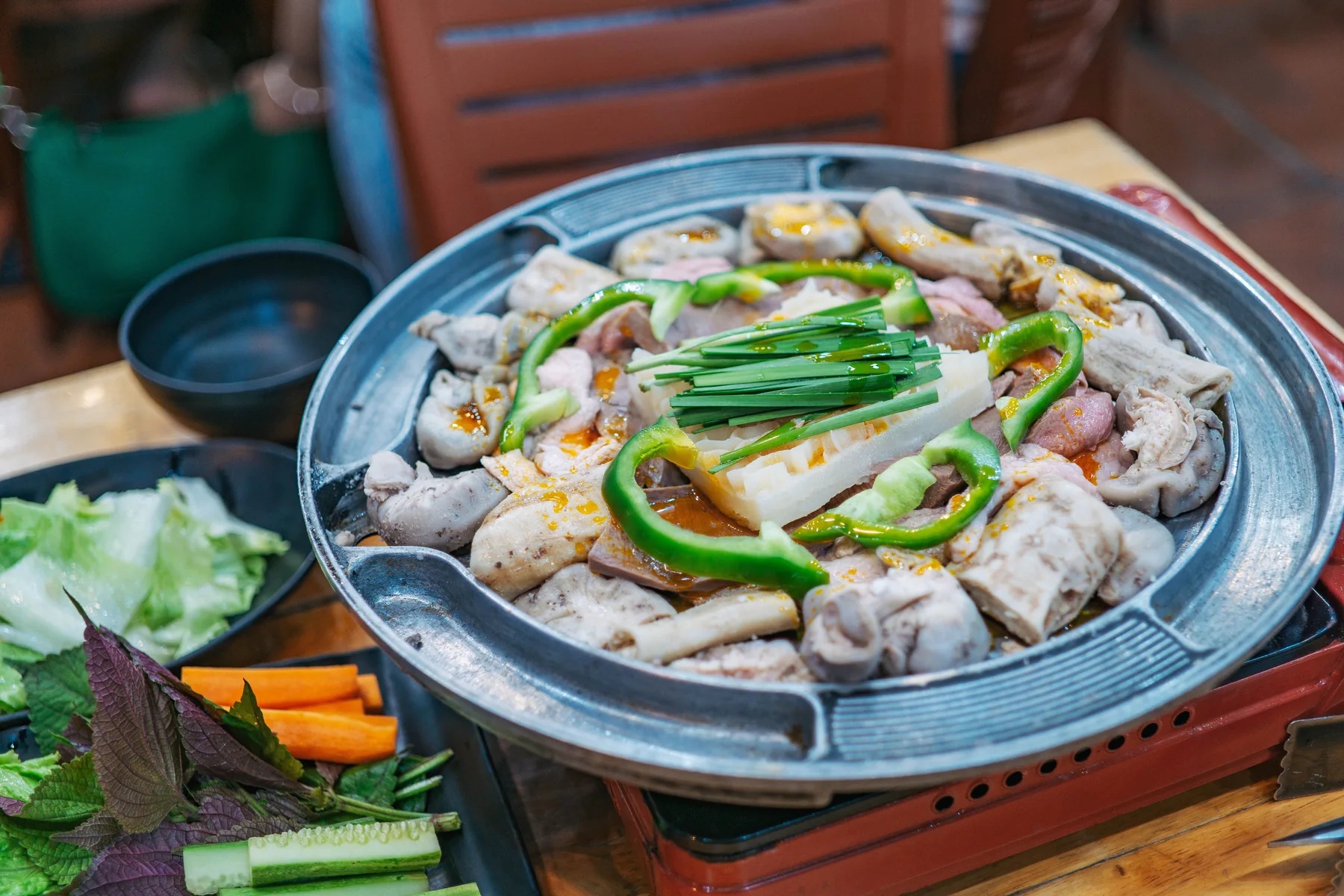
Korean food becomes especially compelling when you look beyond the dish and notice the process. With samgyeopsal or Korean BBQ, meat cooks directly at the table. Someone turns it, someone cuts it, someone distributes lettuce leaves. Garlic, ssamjang, kimchi and a constellation of banchan surround the grill. Dinner is not only served to you—it is something the group does together.
Bibimbap offers a different pleasure: carefully arranged colours are mixed at the table. The dish begins orderly and ends as one warm, forceful whole. Bulgogi is accessible because the marinated meat feels sweet, savoury and tender. On hot days, naengmyeon is wonderfully surprising: cold, springy noodles in chilled broth or spicy sauce. Your mind expects warmth and receives relief.
At night, crisp Korean fried chicken and a cold drink form part of the modern city experience. Then comes bingsu—fine shaved ice with fruit, beans, milk or other toppings. It feels less like an individual dessert and more like a bowl of summer designed for sharing.
How does Korea feel at the table?
Sociable, rhythmic and playful. The table keeps moving. You wrap, dip, share, grill and perhaps order another round.
Korea’s answer to all you can eat
All-you-can-eat Korean BBQ comes very close to the classic buffet wish but is far more interactive. The abundance lies not only in quantity but in the possible combinations of meat, banchan, lettuce and sauces.
The best travel moment
Do not schedule Korean BBQ alone. With a group, it becomes an evening. At a hot lunchtime, choose cold naengmyeon or a lighter bibimbap instead.
Bring the flavour home with: gochujang, ssamjang, sesame oil, kimchi, rice, ramyeon, pickled radish and seaweed. Explore ingredients
5. Japan: between quiet precision and a lively izakaya
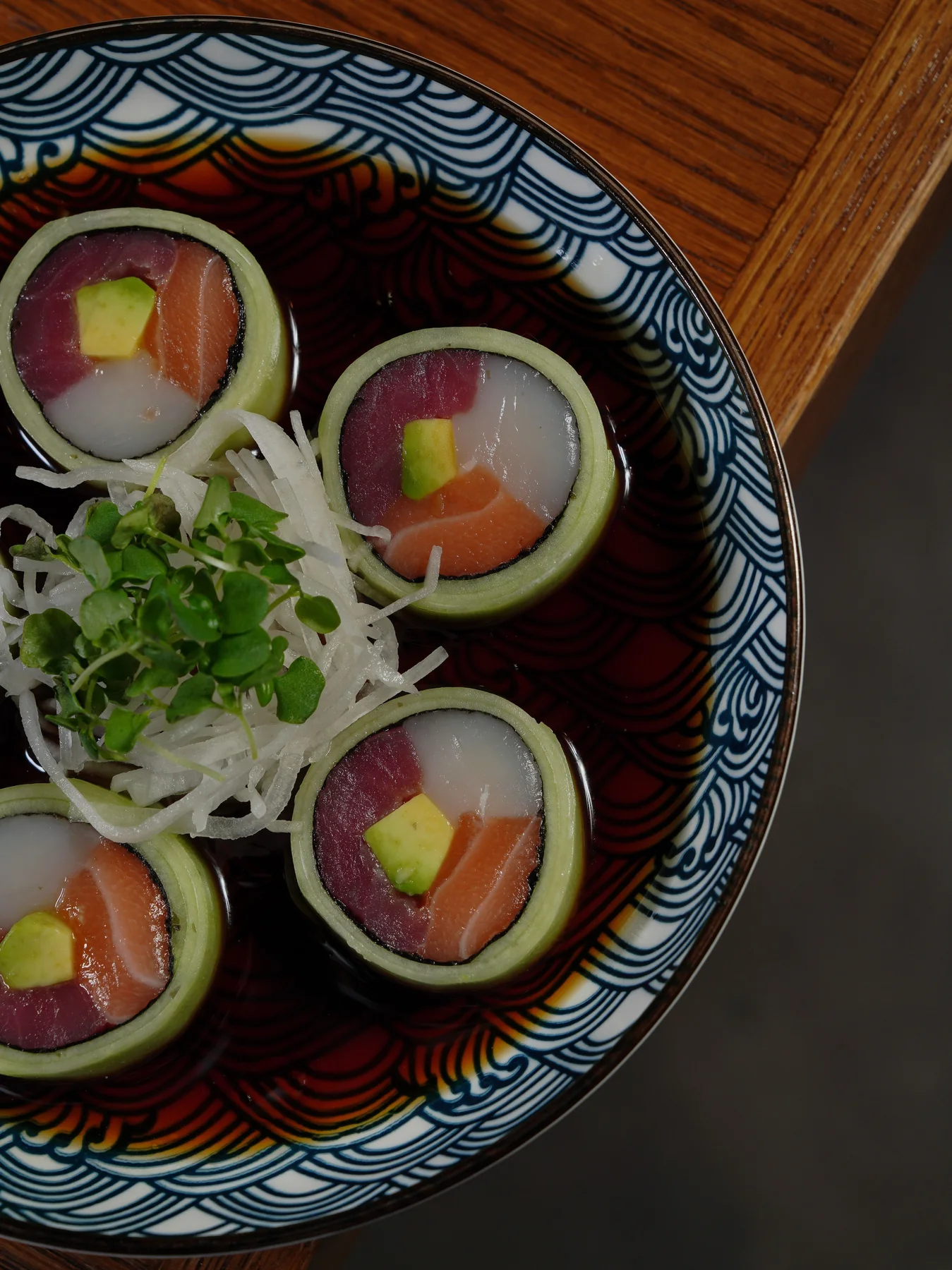
Japan is far more than sushi—and sushi itself is not simply raw fish. The defining element is seasoned rice paired with fish, egg, vegetables or other toppings. In a small sushi bar, the meal can feel focused and almost meditative. At conveyor-belt sushi, plates glide past, decisions become spontaneous and the table fills with playful variety.
Ramen represents another Japan: steam, broth, quick movements and a dish often eaten without lingering. Okonomiyaki is warm, savoury comfort from a hot griddle. Yakitori turns different chicken cuts into small smoky skewers. An izakaya brings together shared plates, drinks and conversation—more Japanese pub or tapas bar than formal dining room.
In August, look for cold noodles such as zaru soba, somen and chilled udon. When the air is heavy, kakigōri—very finely shaved ice with syrup and toppings—can feel remarkably elegant.
How does Japan feel at the table?
Entirely different from one place to another. Sushi conveys concentration and craft. Ramen is fast and focused. Izakaya dining is loose and social. Kaiseki can feel like a journey through season, place and visual design.
Japan’s answer to buffet cravings
Search for tabe-hōdai. All-you-can-eat shabu-shabu, yakiniku and hotel buffets are common. Yet conveyor-belt sushi often satisfies the playful part of the desire: not unlimited, but full of small choices.
The best travel moment
Do not chase “the most famous” restaurant every evening. A very good station bento, a neighbourhood izakaya and a bowl of soba may together tell you more about Japan than one expensive reservation.
Bring the flavour home with: sushi rice, nori, rice vinegar, miso, dashi, soy sauce, soba, ramen, panko and Japanese mayonnaise. Explore ingredients
6. Malaysia: one meal, many cultural voices
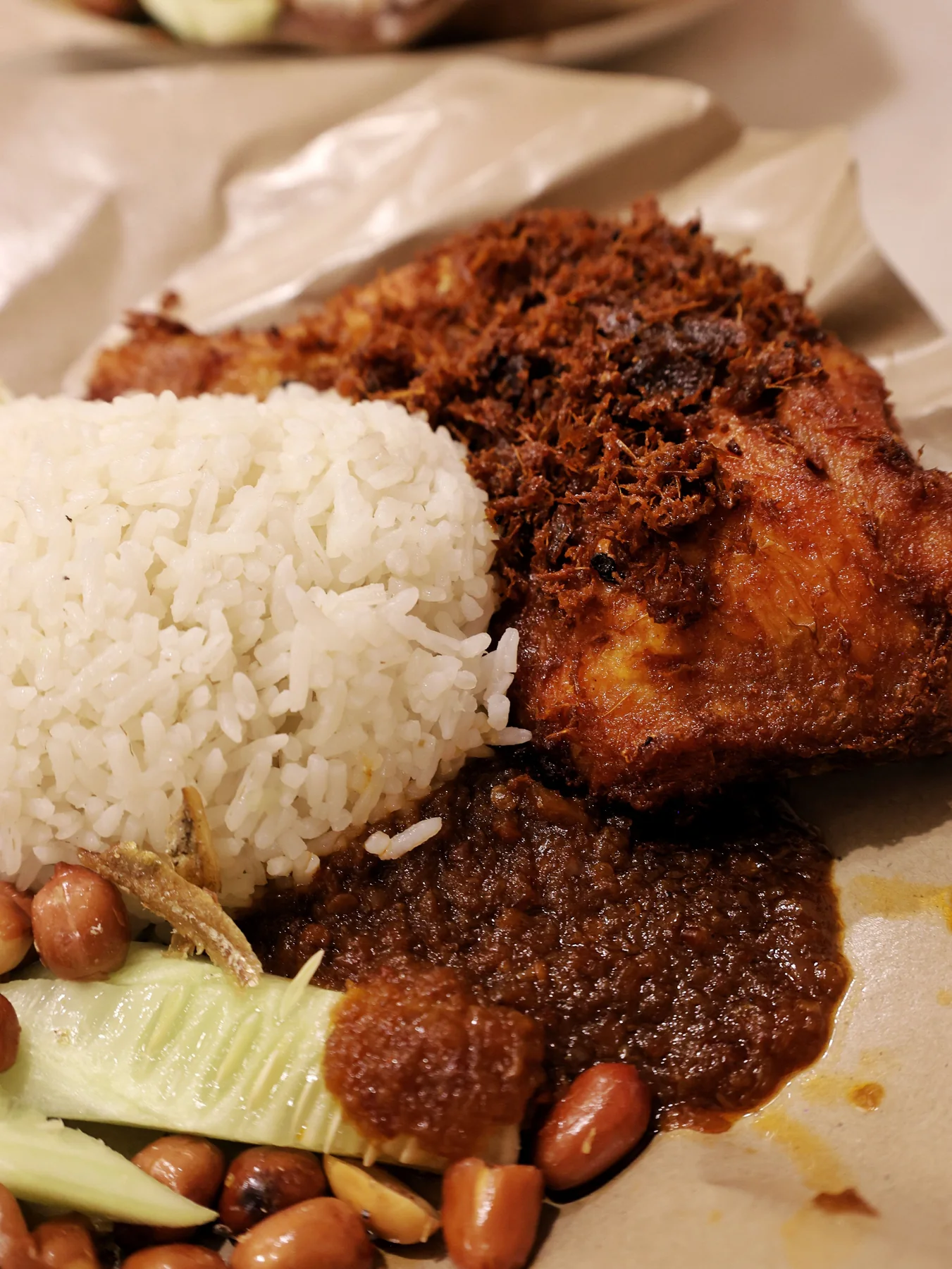
Malaysia cannot be described along one neat culinary line. Malay, Chinese, Indian, Peranakan and regional influences do not simply sit beside each other—they meet every day.
Nasi lemak is a powerful symbol: fragrant coconut rice, sambal, peanuts, small dried fish, egg and cucumber create heat, perfume, crunch and relief. Satay contributes smoke and a sweet-savoury peanut sauce. Char kway teow tastes of fierce wok heat, dark sauce and charred aroma. With laksa, the most enjoyable disagreement begins: Assam laksa is tart, fish-forward and herbal; curry or Nyonya laksa is creamier, more coconut-rich and rounded. Roti canai reveals Indian influence—a crisp, flaky flatbread served with curry as an uncomplicated breakfast or late snack.
How does Malaysia feel at the table?
Like a friendly jumble that tastes unexpectedly coherent. A meal can be sweet, spicy, smoky and creamy without feeling monotonous. It makes you want to compare immediately: which laksa, which sambal, which stall?
Why does it belong in August?
Malaysia combines forceful mains with cooling pauses. Cendol, made with ice, coconut milk, palm sugar and green jelly strands, is not merely dessert; it is a small rescue station on a hot afternoon.
The best travel moment
Do not waste every breakfast on the hotel buffet. Roti canai, nasi lemak or kaya toast can explain the country’s diversity before the day has properly begun.
Bring the flavour home with: sambal, coconut milk, pandan, laksa paste, rice noodles, peanuts, tamarind and palm sugar. Explore ingredients
7. Singapore: the hawker centre as an edible city map
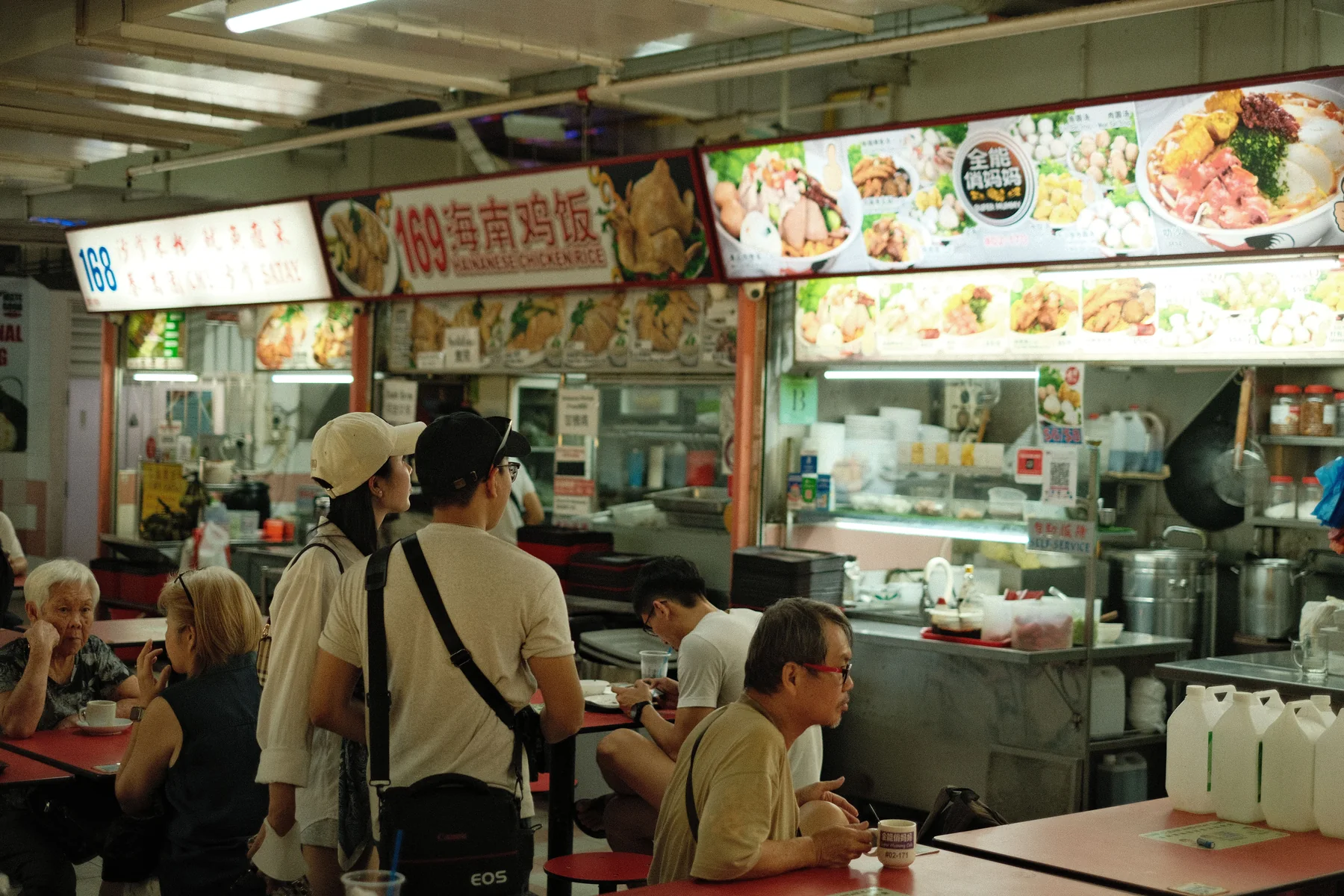
In Singapore, where you eat matters as much as what you eat: the hawker centre. Many specialist stalls operate under one roof. One prepares Hainanese chicken rice, another laksa, satay, char kway teow, fish soup, Indian food or desserts. The seating does not belong to a single stall, so the meal naturally becomes communal.
Chicken rice can look almost too simple in photographs, but that restraint is its strength. Fragrant rice, juicy chicken, chilli, ginger and dark sauce make the small differences matter. Laksa announces itself immediately: spicy, creamy broth, noodles and aromatic toppings. Chilli crab makes the meal messier—fingers, shell, sauce and bread are part of the event. Kaya toast with eggs and kopi is the calm morning counterpoint to the later abundance.
How does Singapore feel at the table?
Efficient, open and curious. At first there are too many options. Then you choose two or three stalls, bring everything together and realise that the table tells a richer story of the city than one restaurant could.
Is this the better buffet?
For many travellers, yes. There is no single fixed price, but you gain the same freedom to try many things—only fresher, more specialised and more connected to place. Four people can visit four stalls and share everything.
The best travel moment
Do not enter with a rigid list of ten dishes. Walk through once, observe each stall’s speciality, working rhythm and queue, then assemble a shared menu.
Bring the flavour home with: jasmine rice, chilli sauces, ginger, dark soy sauce, laksa paste, coconut milk, kaya and pandan. Explore ingredients
8. Hong Kong: yum cha, milk tea and the energy of a city that rarely waits
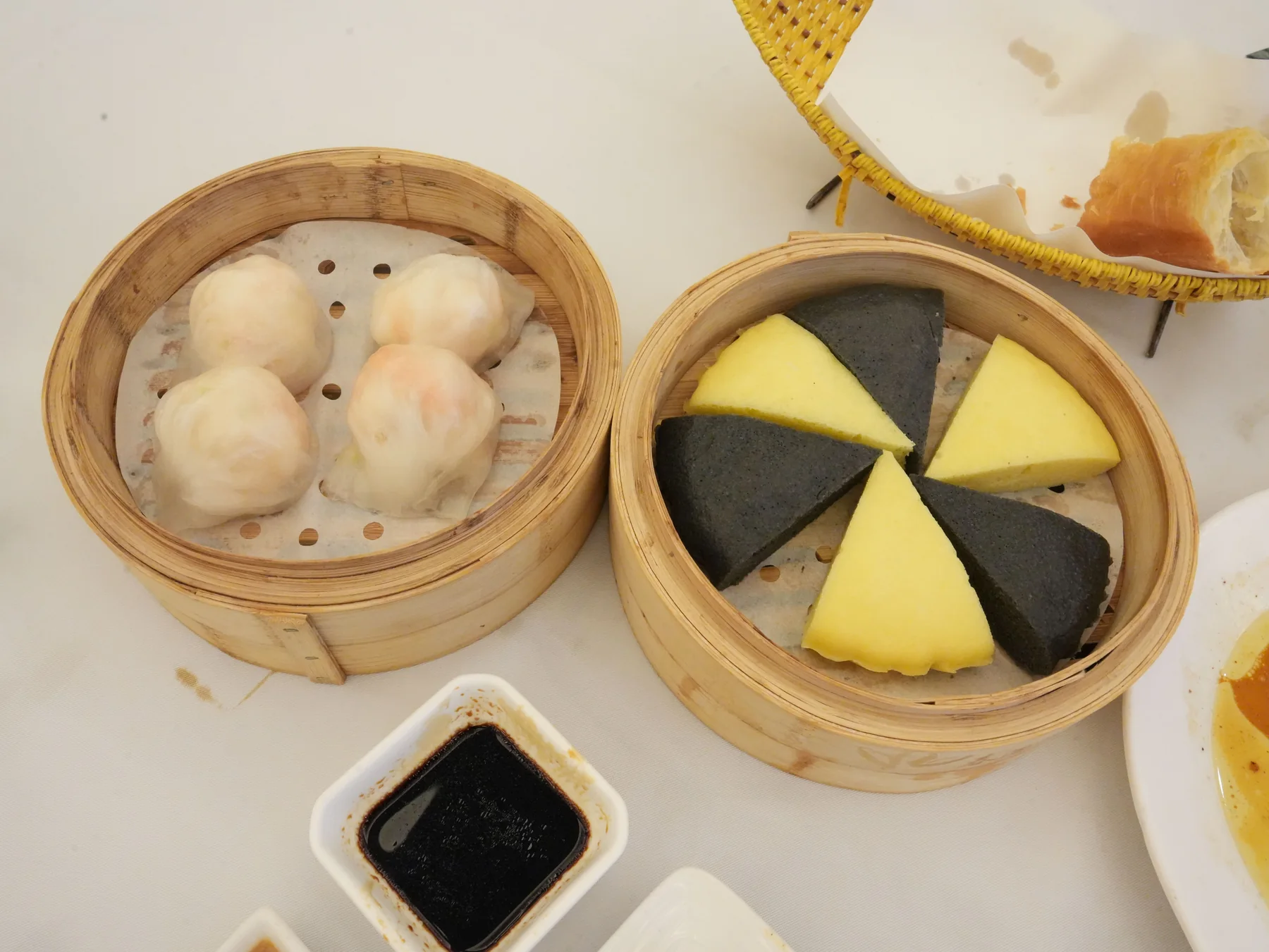
Hong Kong food is rooted in Cantonese traditions but unmistakably urban. Yum cha—drinking tea and eating dim sum—is breakfast, brunch, family gathering and social ritual at once. Har gow, siu mai, char siu bao, rice rolls and crisp snacks appear in bamboo baskets and on small plates. You keep ordering until the table feels exactly full enough.
Then there is the cha chaan teng, Hong Kong’s café-diner with its own East-meets-West history. Milk tea, pineapple buns that contain no pineapple, egg tarts, macaroni soup, rice dishes and French toast can coexist on one menu. This is not “fusion” as a marketing concept; it is lived city routine.
Wonton noodles and glistening roast meats hanging in windows show another side: quick, precise, aromatic food designed for a dense city. It does not need a long explanation. It arrives, works and powers the next stretch of streets.
How does Hong Kong feel at the table?
Fast, nostalgic and intensely alive. Yum cha slows the morning down; a cha chaan teng speeds it up. Both belong to the same city.
Hong Kong’s answer to brunch buffet
Yum cha is not automatically all you can eat, yet it offers similar emotional pleasure: many small things, repeat ordering, sharing and the delightful conviction that one more bamboo basket will still fit.
The best travel moment
Have one early, traditional yum-cha meal. On another day, visit a cha chaan teng only for milk tea and a warm pineapple bun. A big food tour needs small pauses too.
Bring the flavour home with: dim sum, wonton noodles, char siu sauce, oyster sauce, black tea, condensed milk and egg-tart ingredients. Explore ingredients
9. Taiwan: an evening walk that never quite becomes one dinner
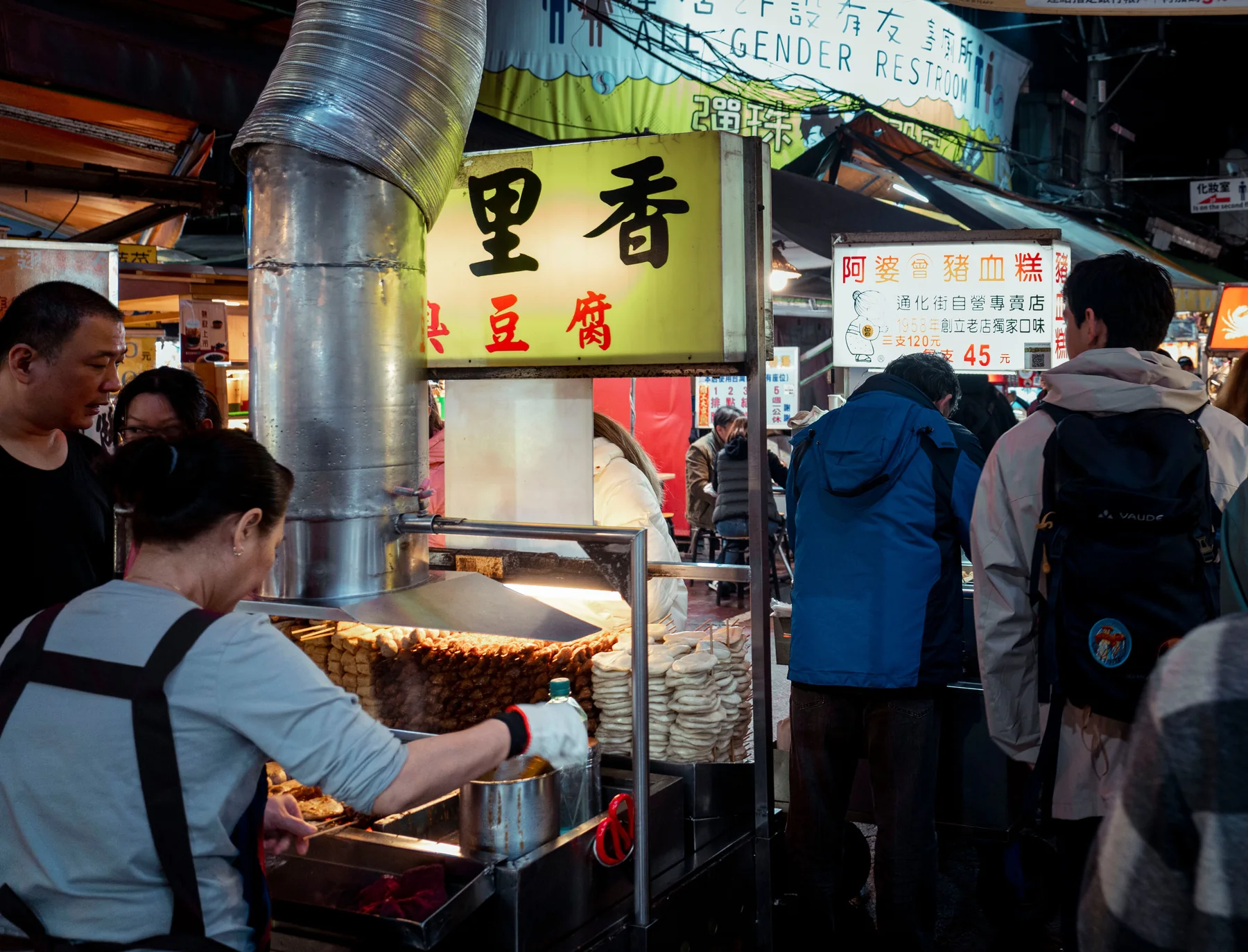
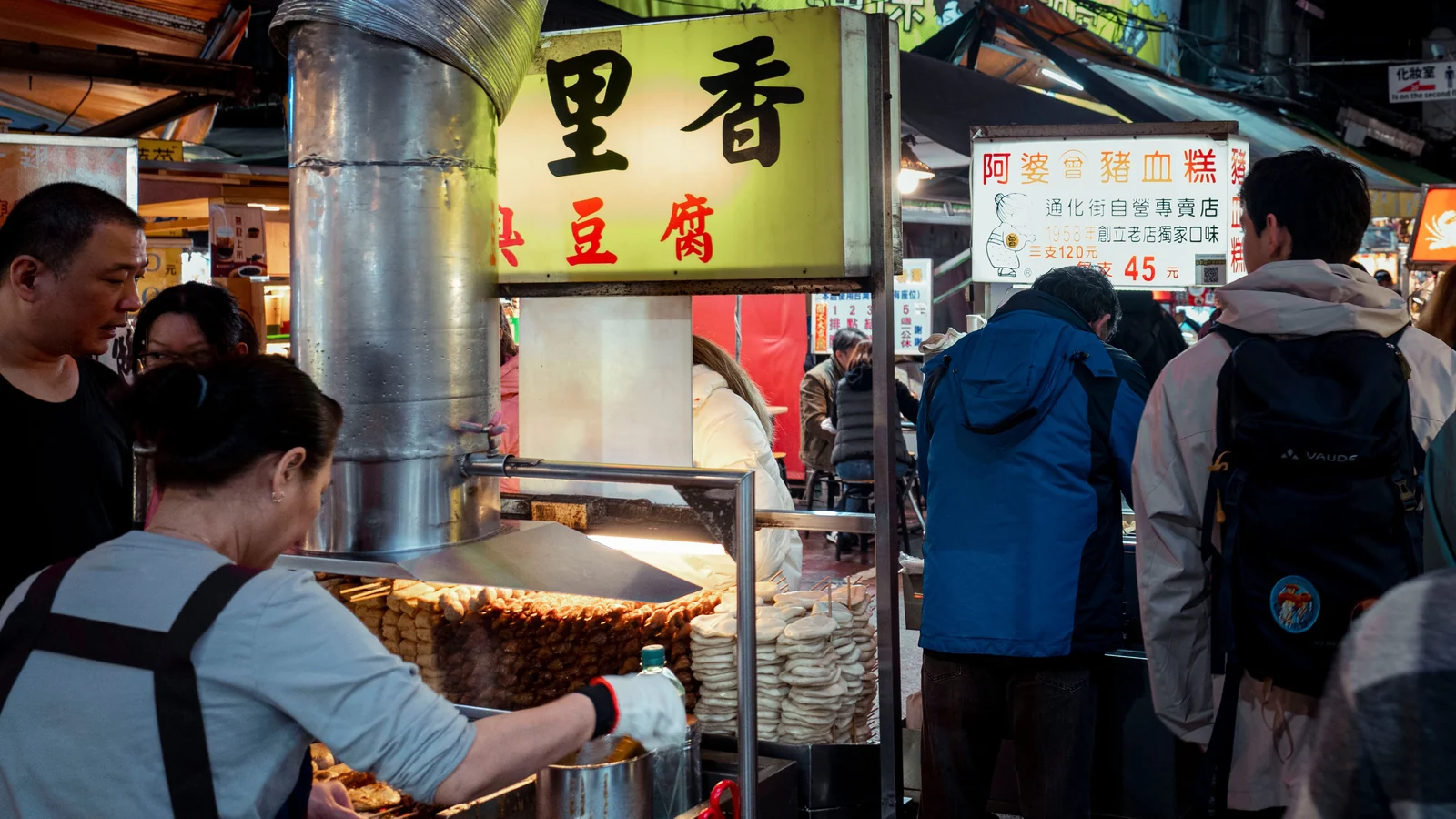
Taiwan’s night markets may be the purest form of a food tour. You do not first sit at a table and order everything. You move, smell, queue, share and make a new decision after every snack.
The range extends from lu rou fan, rice with braised pork, to oyster omelette, pepper buns, crisp fried chicken and stinky tofu. Beef noodle soup is the cuisine’s warmer, more serious side: broth, noodles and beef, varying in intensity by region and shop. Xiaolongbao brings a moment of caution and anticipation—bite carefully, let the steam escape, then enjoy the soup inside.
Then come the cooling pleasures: bubble tea, mango shaved ice, grass jelly and tea desserts. Taiwan understands that a warm, bright evening calls for changing textures.
How does Taiwan feel when you eat?
Playful and democratic. A famous snack may come from a simple stall. The queue becomes social proof, the walk becomes the menu, and sharing becomes the best strategy because otherwise you run out of appetite too soon.
Taiwan’s buffet variation
A night market is a buffet without one counter or one entry price. The options are distributed across streets, each station specialises in something and you control the pace. Taiwan also has hot-pot and hotel buffets for travellers who want a classic all-you-can-eat experience.
The best travel moment
Do not arrive hungry for “one big dinner”. As a couple or family, share each serving so curiosity remains after the sixth stop.
Bring the flavour home with: beef-noodle spices, soy sauce, black vinegar, tapioca pearls, tea, chilli crisp, dumplings and lu-rou-fan spice blends. Explore ingredients
Which destination matches your eating mood?
| You want to… | Think of… | The ideal evening |
|---|---|---|
| taste many small things | Taiwan, Singapore, Hong Kong | Night market, hawker centre or yum cha |
| do something together at the table | Korea, China | Korean BBQ or hot pot |
| enjoy fresh, bright contrasts | Vietnam, Thailand | Street-food crawl with herbs, acidity and dessert |
| experience precision and craft | Japan | Sushi, soba or kaiseki |
| meet several cultures in one meal | Malaysia, Singapore | Shared food-court or hawker tour |
| genuinely eat all you can | Korea, Japan, China/Taiwan | BBQ, shabu-shabu or hot-pot buffet |
How to turn a holiday into a real food tour
- Plan eating formats, not only restaurant names. One market, one breakfast shop, one shared grill dinner and one dessert stop create more variety than four similar evening restaurants.
- Share portions. Sharing lets you discover more without wasting food.
- Learn three words per destination. The dish, “not spicy” and “thank you” are a useful start. Even small language attempts change the encounter.
- Notice local meal times. Breakfast dishes may disappear by lunch; popular night-market stalls may not open until evening.
- Ask about allergens and ingredients. Fish sauce, shrimp paste, peanuts, sesame, soy, wheat and shellfish often appear where they are not immediately obvious.
- Leave one free snack space in every day. The best discovery is rarely scheduled three weeks in advance.
The flavour of a holiday does not end at the airport
A good food journey changes what you notice at home. Gochujang is no longer just a red tub; it recalls smoke from a shared grill. Tamarind brings back the sour depth of Pad Thai. Rice noodles become a way to recover a little of Vietnam’s lightness at your own table. That is the best aftertaste of travel: you do not need to copy the experience perfectly. You can rediscover one ingredient, understand its context and build a new evening around it.
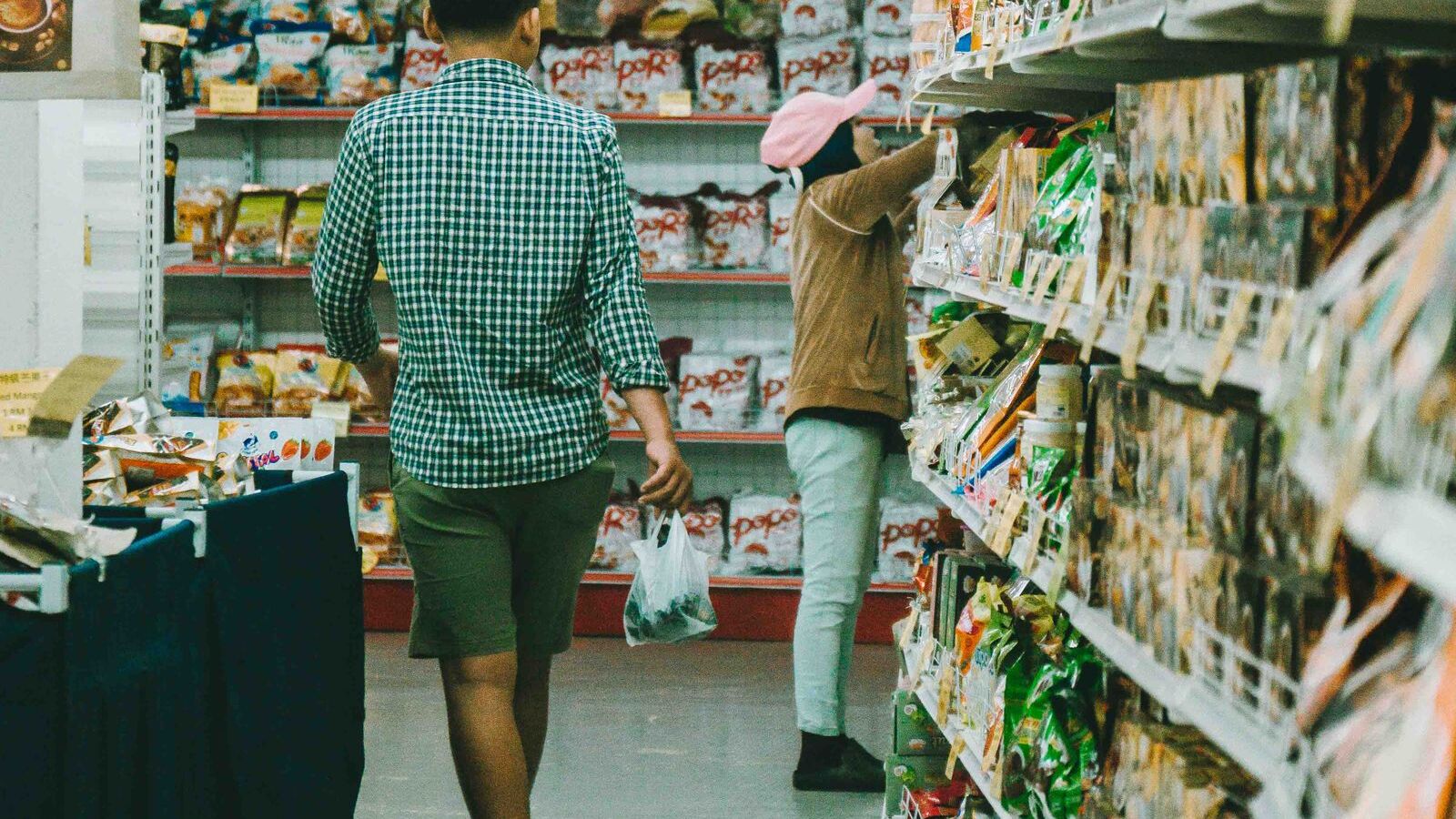
Asia Markt Thien Tam in Ingolstadt carries many characteristic ingredients from these cuisines. Fresh produce, brands and exact availability can change, so a non-binding pickup request or quick call is sensible before a special trip.